Why top leaders have fewer «windows» open
Does this sound familiar? You open your laptop and are greeted by 27 open tabs in your browser. A digital patchwork quilt! A new impetus for success against excessive distraction in everyday management.





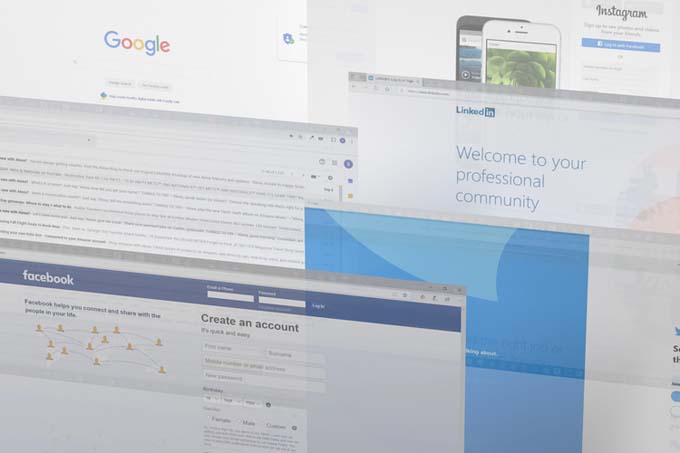
Technical articles that you «absolutely had to read.» Tools that you wanted to «try out right away.» And, of course, several email threads that you left open «just for a moment»... The feeling? Everything was important at the same time. And at the same time, nothing was. This is what everyday life looks like for many managers—not just in their browsers, but in their heads.
The difference between top leaders
Projects run parallel. Requests come flooding in. Meetings take up time. In the end, you feel busy, but not necessarily effective. This is not a trivial problem. Because getting bogged down in details is one of the biggest performance killers in leadership.
- It consumes energy. Every open tab in your mind takes up mental capacity—even if you're not currently working on it.
- It prevents clarity. Your team doesn't know what to focus on if you yourself remain vague.
- It blocks momentum. Instead of moving forward, you circle around trivial matters.
I see this all the time with ambitious managers who stand in their own way. They work hard, are constantly «busy»—and wonder why the big breakthroughs never come.
This is precisely where top leaders differ:
- You allow yourself fewer open «windows.» You consciously reduce them—in your head, in your calendar, in your list of priorities.
- Every day, you clearly define which 1–2 topics will make a difference today.
- They empower their team. Not everything goes through them—on the contrary. They create clarity for others and delegate responsibility.
Close tabs in header
And this is exactly where I repeatedly see the same mistake in my strategy projects: management starts the new year full of energy—with half a dozen, sometimes even 15 initiatives. Everything sounds sensible. But after a short time, the energy fizzles out. Nothing really gets done, and people get bogged down in details.
Here are three uncomfortable questions that you, as an experienced manager, should nevertheless (or precisely because of this) ask yourself regularly:
- Which 1–2 open tabs (topics, projects) are truly crucial to your success?
- Which «windows» should you consistently close—even if it's difficult?
- Who in your team can you delegate responsibility to so that your «home page» is free again?
Conclusion: Success in leadership does not come from being more active, but from targeted clarity. It's about consciously closing tabs – both in your browser and in your mind. This is the only way to create focus, momentum, and ultimately progress.
To the author:
Volkmar Völzke is a success maximizer. Book author. Consultant. Coach. Speaker. www.volkmarvoelzke.ch