Data, AI and communication will shape the world of work in Switzerland in 2026
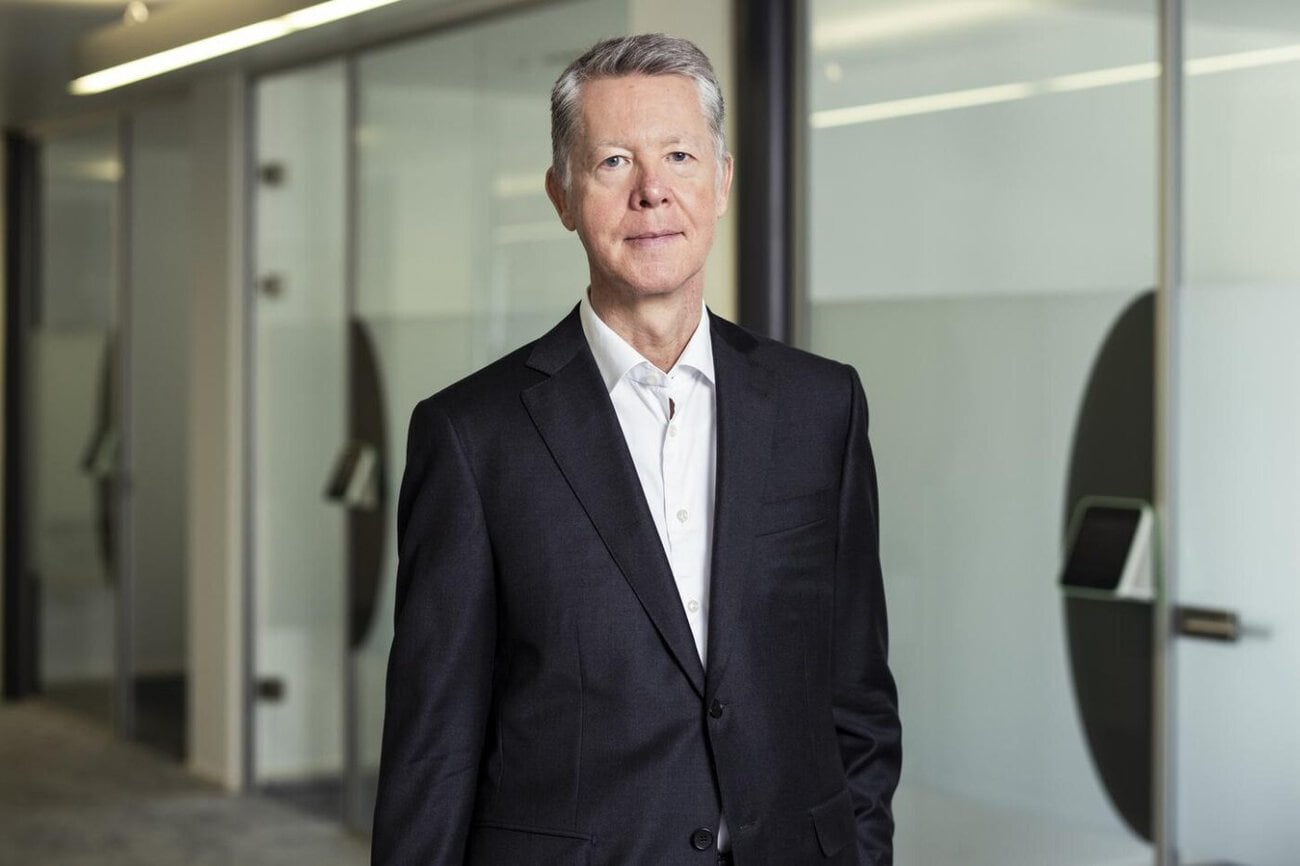
Technical expertise will remain central, but data understanding and human interaction will increasingly converge: this is the opinion of Christian Atkinson, Country Director at Robert Walters Switzerland. He takes a look at the trends that will shape the world of work in Switzerland in 2026.






From the perspective of Swiss employers, HR consultancy Robert Walters identifies three key skills that will be important in the new year. «Companies are looking for specialists who can classify data, gain relevant insights from it and communicate these clearly in complex organizations,» says Christian Atkinson.
Data analysis and interpretation
Data is omnipresent today, but real added value is created by those who translate figures into well-founded insights and strategic decisions. Specialists who recognize patterns, make connections and translate data into concrete action are in demand. This is the view of 55 % of the employers surveyed by Robert Walters. «It's not the amount of data that matters, but the ability to ask the right questions,» says Atkinson. «Filtering insights, making connections and building a compelling case around data strengthens decision-making and enables sustainable growth.»
Communication and collaboration
Communication and collaboration are considered particularly important by 48 % employers. Clear communication is a key success factor, especially in international and interdisciplinary teams. Swiss companies value employees who communicate complex content clearly, listen actively and collaborate effectively across functions, teams and national borders. «Communication combines expertise with impact,» explains Atkinson. «Without open exchange and collaboration, even the best analysis is ineffective. Sharing insights, engaging stakeholders and achieving goals together. That's what makes the difference.»
AI and machine learning expertise
AI follows in third place (39 % of mentions). Artificial intelligence has long been part of everyday working life. Employers do not expect every specialist to be an expert in data science, but they do expect a basic understanding of how AI works, what opportunities it offers and where its limits lie. «AI skills are becoming a key qualification,» says Atkinson. «If you understand how algorithms influence decisions, what assumptions they are based on and what risks exist, you can use AI in a targeted manner and support human judgment in a meaningful way.»
People and technology are moving closer together
In addition to these top 3, problem-solving skills, adaptability and ethical awareness remain key success factors. The clear distinction between technical and social skills is becoming less and less important. «Employers today expect a combination of technological understanding, collaboration and critical thinking,» says Atkinson. «Only this combination creates a lasting impact.»
Significance for companies
Organizations that make targeted investments in data competence, AI knowledge and communication skills strengthen their future viability. This requires targeted training opportunities, interdisciplinary collaboration and managers who combine technological innovation with human expertise. «The successful companies of tomorrow will be those that use data intelligently and put people at the center,» summarizes Atkinson. «This balance is the key to sustainable growth.»
Source: Robert Walters