Transparency in global supply chains
Increasing pressure in global supply chains: transparency is now mandatory! With EPCIS 2.0, it becomes a strategic advantage for data-based optimization.


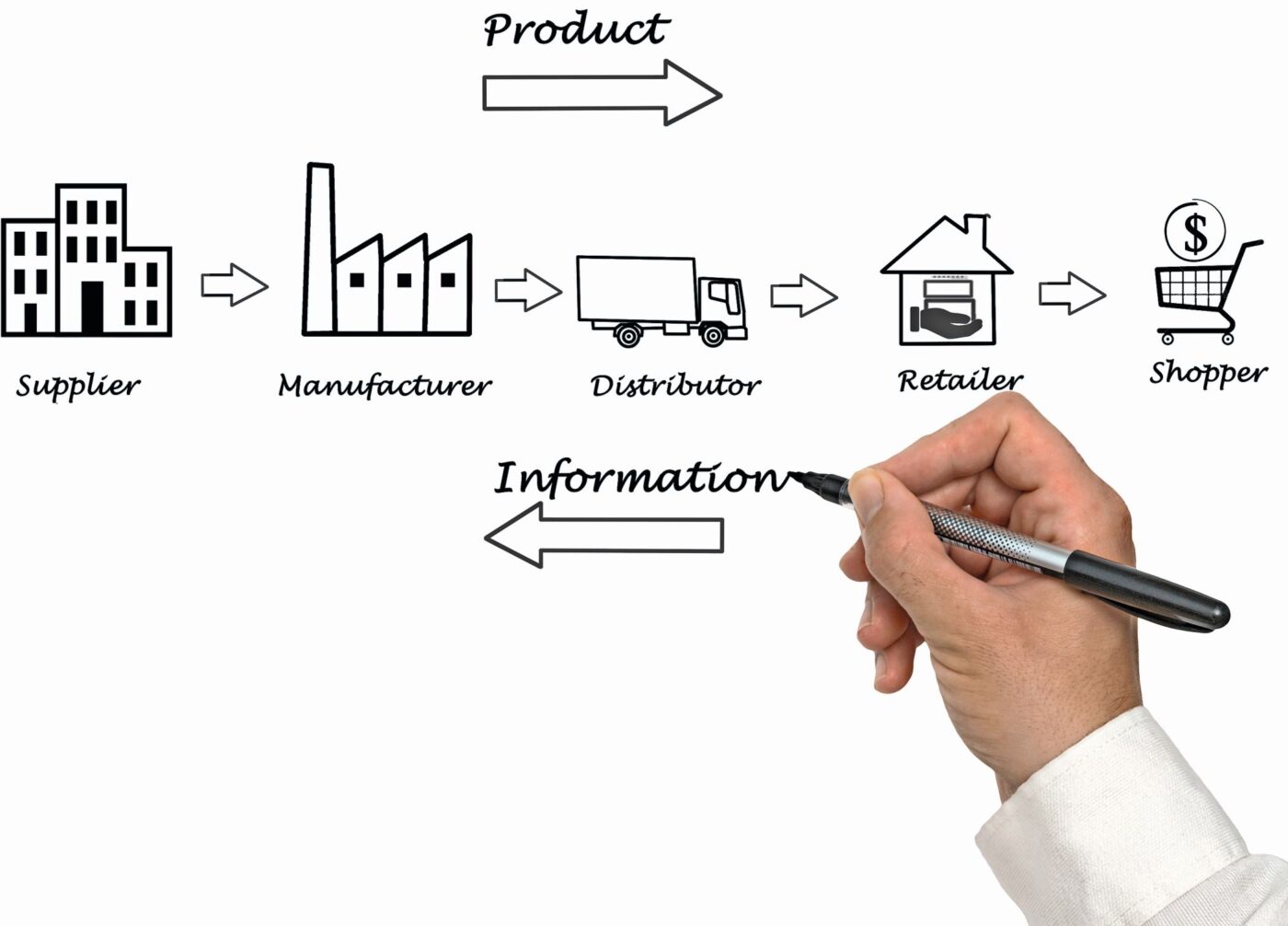
Regulatory frameworks such as the Digital Product Passport (DPP), the Corporate Sustainability Due Diligence Directive (CS3D), and the EU Deforestation Regulation (EUDR) require the systematic tracking, linking, and analysis of supply chain events. Robust evidence is required throughout the entire value chain—not aggregated estimates or purely document-based reports. Technically, this means that transparency must be implemented in an event-driven, standardized, and interoperable manner. Only in this way can data from different systems and organizations be consistently consolidated and made available in a manner suitable for auditing. This capability constitutes the mandatory aspect of transparency requirements.
EPCIS as an event-driven standard for supply chains
The GS1 EPCIS (Electronic Product Code Information Services) standard addresses these requirements by modeling supply chain activities as structured events. Each EPCIS event uniquely describes the affected object, the time, the location, and the responsible entity, thereby enabling end-to-end traceability of physical and digital processes. EPCIS does not function as a central monolithic system, but rather as a common event language among participating stakeholders. It is precisely this standardization that is essential for implementing regulatory requirements in a technically manageable way.
EPCIS 2.0: From Obligation to Opportunity
With EPCIS 2.0, the standard has been expanded so that transparency is not only documented but can also be actively utilized. The web-native architecture, based on JSON-LD, modern APIs, subscriptions, and event streaming, enables seamless integration into cloud-based IT environments and data-driven applications. In terms of content, the additional «how» dimension expands the event model to include quantitative metrics. CO₂ emissions, energy and water consumption, temperature trends, and quality parameters can be directly linked to individual process steps. This makes transparency actionable: companies can compare processes, evaluate scenarios, and optimize them in a targeted manner. The mandatory requirement—regulatory compliance through traceability—is thus met. The added value lies in using this data for operational, environmental, and economic optimization. For example, event-based process data can be used to reduce lead times and inventory levels from an operational perspective, to attribute emissions or energy consumption to specific transport or production steps from an environmental perspective, and to evaluate the cost implications of alternative routes, suppliers, or batch sizes from an economic perspective. One example of such a transparency solution is OpenEPCIS from Benelog GmbH & Co. KG, a Cologne-based provider of traceability and supply chain management solutions. Its solution enables event-based data to be analyzed across different versions, thereby facilitating operational, environmental, and economic optimizations throughout the supply chain.
Semantic Interoperability as an Enabler of the Free Skating Program
A key technical advancement in EPCIS 2.0 is the use of ontologies. Attributes are described with semantic unambiguity and made machine-interpretable. As a result, systems capture not only values but also their meaning within the business context. This semantic unambiguity is crucial for successfully implementing this technical feat. It enables automated evaluations, cross-system comparisons, and the use of advanced analytics without the need for individual interpretation rules or manual data preparation.
Version Coexistence in Real-World Supply Chains
In real-world supply chains, partners rarely operate at the same technological level. While large retail companies and regulated industries are already using EPCIS 2.0, many manufacturers, logistics service providers, and suppliers continue to use EPCIS 1.1 or 1.2, often integrated into existing ERP, MES, or WMS systems. A complete version upgrade across the entire supply chain is therefore neither realistic nor economically viable in the short term. Transparency solutions such as OpenEPCIS must therefore be capable of processing events from different EPCIS versions in parallel. Technically, this means that an EPCIS 1.x event is first received and stored in its original structure. It can then be automatically converted into the EPCIS 2.0 data model, whereby content such as object identifiers, timestamps, locations, and business processes is preserved and supplemented with new structural elements—such as semantic metadata or optional measurement values. Conversely, it must also be possible to provide data in a simplified form if partners support only EPCIS 1.x interfaces. This bidirectional translation enables companies to already take advantage of the expanded capabilities of EPCIS 2.0 internally without forcing external partners to migrate immediately. Especially in global networks with many participants, this cross-version interoperability is crucial for establishing end-to-end transparency and meeting regulatory requirements without disrupting existing IT landscapes or jeopardizing supply chain relationships.
Operation, Scalability, and Controllability
EPCIS-based transparency platforms must reliably process large volumes of event-driven data. Scalability, performance, security, and governance are therefore key architectural considerations. At the same time, practical experience shows that the technical implementation effort remains manageable when standards and established IT operating models are consistently applied. The real added value emerges as soon as companies begin not only to store the captured event data but also to actively analyze it—for example, for emissions control, risk analysis, or process optimization.
Conclusion: Master the basics; make the creative possible
Regulatory requirements for transparency in supply chains are being expanded. EPCIS 2.0 provides the technical foundation for implementing these requirements in a standardized, interoperable, and auditable manner. At the same time, the standard opens up the possibility of going beyond mere compliance. Companies that implement transparency in a technically sound manner create a platform for taking it to the next level: data-driven management, more precise sustainability assessments, and well-informed decisions throughout the entire supply chain. As a result, transparency evolves from a regulatory requirement into a strategic and technical competitive advantage.
Author
Natalie Weirich is a freelance editor. Thomas Hirsch is the managing director of benelog GmbH & Co. KG, based in Cologne. The company is a partner of GS1 Germany. www.benelog.com