Forecasts for the world of work in 2026
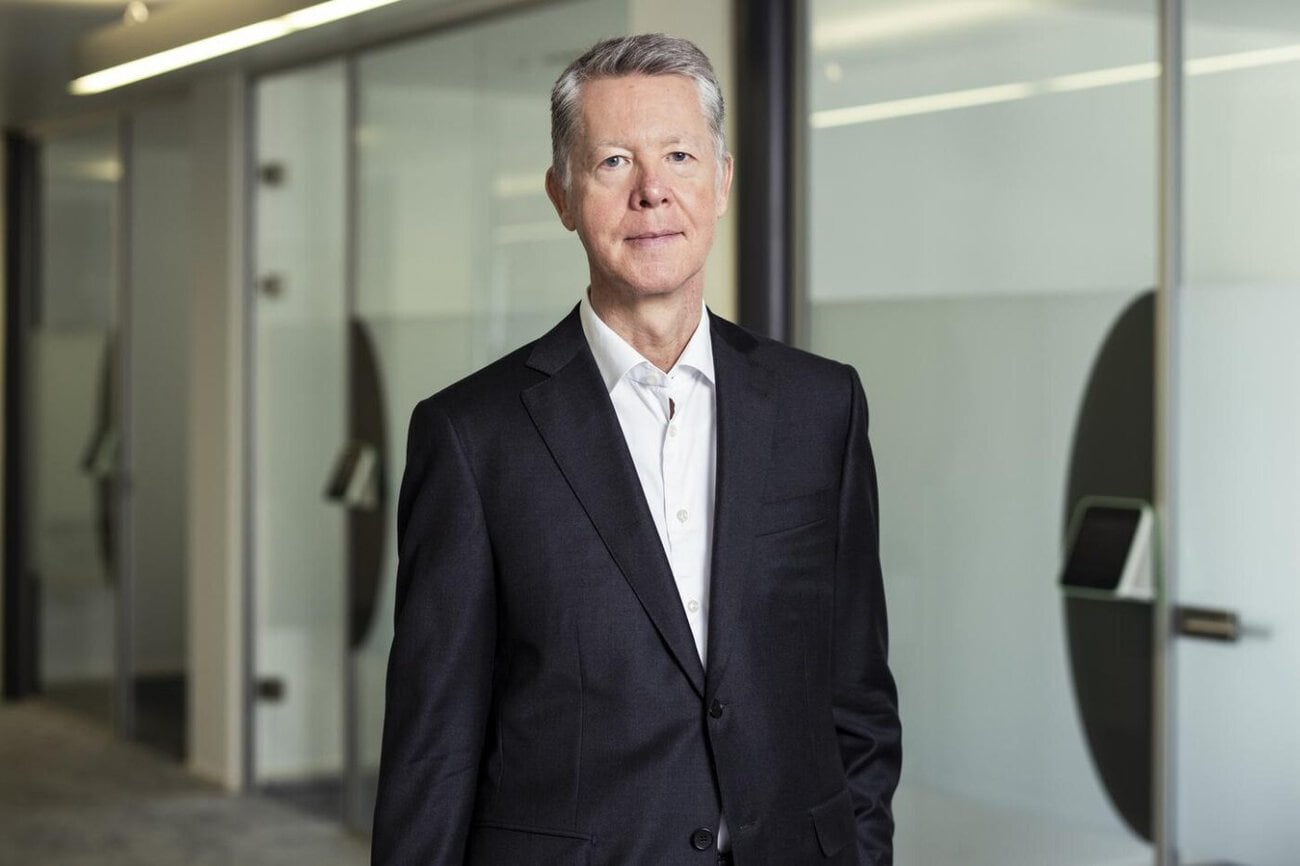
The world of work is changing - both for HR managers and for the workforce. Arne Sjöström, Regional Director People Science EMEA at Culture Amp, takes a look ahead and outlines five key HR trends for the DACH region in the coming year.


While employees were in a strong negotiating position a few years ago, the pendulum is now swinging more and more in favor of companies. This gives them the opportunity to shape the world of work more in line with their own ideas in order to secure their company's success. At the same time, they also have a great responsibility to continuously improve the working environment for their employees, promote engagement and balance the role of AI for the coming years with foresight and care. According to Arne Sjöström from Culture Amp, five trends will be in focus in 2026.
Cultural transparency - change of strategy in talent acquisition
The stagnation of the economy, the tight labor market, fewer job vacancies - all of this means that employees prefer to remain in their current positions and roles. The result is a «talent backlog»: Employees who would otherwise leave the company stay, blocking the transfer and development opportunities of those who are more willing to commit to advancing their careers. In the search for effective ways to overcome these bottlenecks, companies will shift their strategy towards greater cultural transparency in the coming year. Instead of attracting new talent with a value proposition or a one-sided emphasis on positive unique selling points, they will clearly communicate their actual expectations and the reality of everyday working life. In doing so, they also consciously emphasize aspects that tend to deter less suitable applicants - so that the really suitable ones feel all the more attracted. Examples of this could include the expectation of a full return to office presence, process maturity and company structure as well as the use of AI tools in day-to-day work.
Redefining success - performance instead of a performance show?
Employees often feel that the work they actually do is not properly evaluated and that they do not receive sufficient recognition. Analyses by Culture Amp showed that by 2025, around 20 % of employees will not know exactly how their performance is assessed. This lack of knowledge results in assumptions and a focus on greater visibility: employees engage in a kind of performance show and work in such a way that it looks productive above all else. When this is compounded by the feeling of being subjected to passive monitoring - only permitted under strict conditions in the DACH region - employees focus on what is supposedly being measured. This gap will continue to widen in 2026 if managers do not realign their performance reviews to get a trustworthy and more complete picture of their employees' performance. On the other hand, those who embed people-centered feedback systems such as upward feedback, 360-degree feedback and reflective one-on-ones can strengthen trust and gain a more holistic understanding of employees' contributions.
Humans and AI - two sides of the HR coin
In 2026, AI tools will increasingly find their way into HR departments. Routine tasks such as initial applicant selection or answering frequently asked questions will be increasingly automated. However, as the possibilities of AI grow, so does the realization that it cannot be the solution for everything. Furthermore, the EU AI Act will come into full force in 2026. As a result, AI tools will be classified as high-risk in connection with personnel deployment: They are subject to very strict guidelines regarding transparency, control and limits on the use of AI. The question of which tasks can be left to AI and which still require the empathy, experience and knowledge of real HR experts requires a sure instinct. Even seemingly administrative tasks sometimes require direct personal interaction. Companies will begin to define more clearly which issues and areas require machine-related skills and which require human skills. A clear trend will become apparent in 2026: The increased integration of AI in HR departments and, at the same time, the permanent review of which task areas should be performed with AI support in the future.
Rethinking leadership - management positions are becoming less attractive
Culture Amp's analyses also reveal this: 72 % of Generation Z are not interested in management positions. The young employees prefer to remain in their respective roles, with some deliberately deciding against a management career. The appeal of taking on a management role is diminishing, particularly in middle management: these managers often feel under a lot of pressure between the expectations of company management and the expectations of their team. As a result, there could be a further flattening of hierarchies in companies in the coming year, with some even fearing a recession at management and leadership level. At the same time, the use of AI tools is opening up new opportunities for managers to increase their influence. For those talented individuals who embrace this, management positions will become more accessible and sustainable. In light of this, the dynamics within teams will change. Companies will increasingly rethink leadership roles and support their managers better instead of hiring more managers. Because if fewer people want to lead, what is needed is not more managers, but better supported managers.
Ambition and motivation are lived out outside the world of work
Whether it's a part-time job, voluntary work or a passionate hobby - more and more employees are devoting energy and motivation to activities outside of their regular work. They realize that they can also realize their strengths elsewhere. This trend towards more creativity, passion and fulfillment through meaningful activities after work and at weekends will continue in 2026. The risk for companies goes beyond mere distraction: if there are no appropriate responses in the coming year, ambitions will migrate outwards. Management must offer something better: The opportunity in 2026 lies in shaping the main job in such a way that it feels energizing, creative and worthy of investment again.
Conclusion: The trends and developments in the HR world are constantly changing. HR departments are eagerly awaiting the national implementation of the EU Pay Transparency Directive and Equal Pay, which is scheduled for 2026. However, the most far-reaching changes will be caused by the introduction of AI into the working and living environment of employees. This constantly raises new questions: Is the talent pool in danger of drying up if tasks for entry-level workers are taken over by AI and they are unable to build up experience as a result? Will a company's workforce sooner or later split into AI-resistant and AI-affine groups? The HR world remains a melting pot of different trends in the company that require data-supported strategies.
Source and further information: Culture Amp