How much do purchasing professionals earn in Switzerland?
A new salary report for 2025 shows what buyers in Switzerland earn—and which factors have a decisive influence on market value.





The largest purchasing salary report for 2025 in the DACH region from the purchasing and supply chain consultancy Kloepfel by EPSA highlights developments in the Swiss purchasing world and which factors pay off financially. In close cooperation with procure.ch, the Swiss professional association for purchasing and supply management, comprehensive data from Switzerland was collected for the first time. 718 specialists from purchasing and supply chain completed the questionnaire and provided detailed insights into remuneration, positions, satisfaction, qualifications, and performance metrics. The following salary figures have been rounded for clarity.
Position determines income – from entry level to CPO
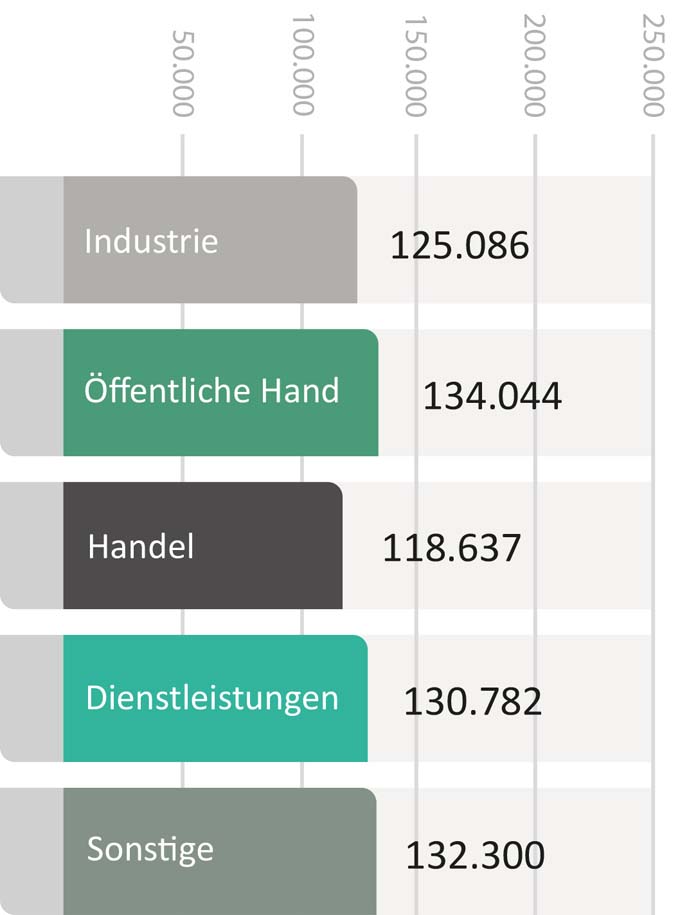
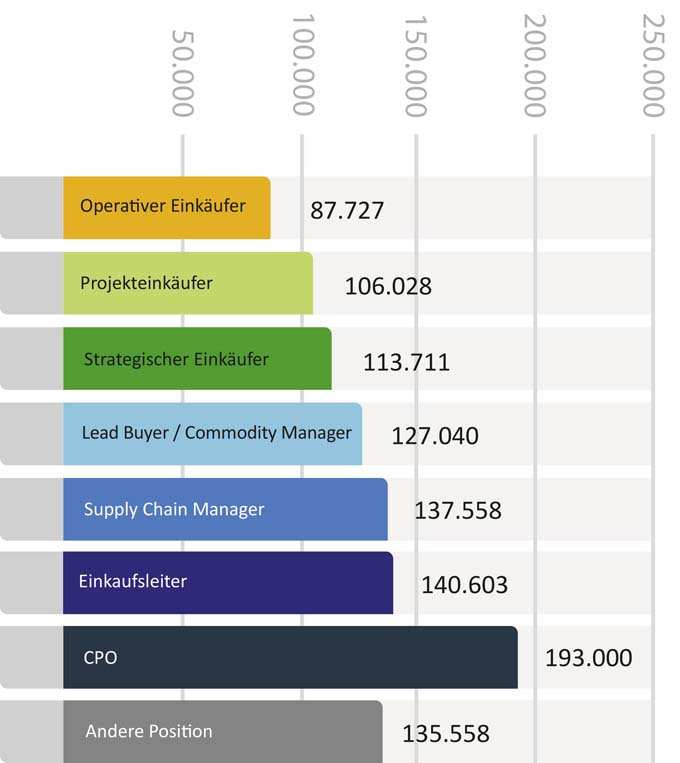
Higher hierarchical levels go hand in hand with higher salaries: the average annual salary is CHF 127,000. Operational purchasers receive an average of CHF 88,000, strategic purchasers CHF 114,000, and purchasing managers CHF 141,000 – a career leap with a salary increase of up to 60%. CPOs top the list with an average of CHF 193,000. Industry dominates, accounting for 53 percent of respondents. Salaries there are close to the overall average. However, public administration and state-affiliated companies pay the best.
Mechanical engineering prominently represented – medical technology leads the way in salaries
One-third of industry representatives come from the mechanical engineering sector. The highest salaries are found in medical technology, chemicals, and pharmaceuticals. Strategic purchasers in these sectors sometimes earn 25% more than the average of all respondents.
In the service sector, IT/telecommunications leads the ranking with +16 %. Hospitals and clinics, on the other hand, fall about 13 % below the average of all participants.
Trade, on the other hand, shows significant differences: technical trade is below average, while commodity traders achieve the highest salaries.
Higher sales – higher salary
In high-turnover companies, buyers naturally earn significantly more—up to 41% more for the same position. For purchasing managers, the range is between $118,000 and $170,000, depending on turnover. However, a larger purchasing volume also means more responsibility—and therefore better pay.
Salaries also increase with professional experience. Operational buyers earn over $50,000, strategists around $34,000, and purchasing managers $42,000. After 30 years of experience, there is a slight decline.
Without measuring success, buyers earn 12% less. Strategic areas such as ESG, digitalization, and risk management are particularly well rewarded and are typical of higher-paying positions.
Better education – better salary
Higher qualifications are also worthwhile in purchasing: with higher vocational training such as the Swiss Federal Certificate, purchasers earn on average 8% more than those with purely vocational training, and with HFP and Swiss Federal Diploma, the increase is as much as around 30%. Executive courses and university degrees also clearly exceed the average.
79% of respondents have undertaken further training. The most common qualifications are HFP with a federal diploma (25%), federal professional certificate (18%), and CAS (14%). This has a direct impact on income. Specialization also pays off, especially in indirect purchasing. In management positions, salaries are 20 percent higher than in direct purchasing. Specialized strategists and lead buyers benefit greatly from their focus.
Those who see good development opportunities in their job (e.g., promotion, further training) earn on average 19% more than those who see no prospects. This correlation is particularly evident in operational purchasing: those who see prospects there are more likely to move into a better-paid job.
Gender pay gap persists
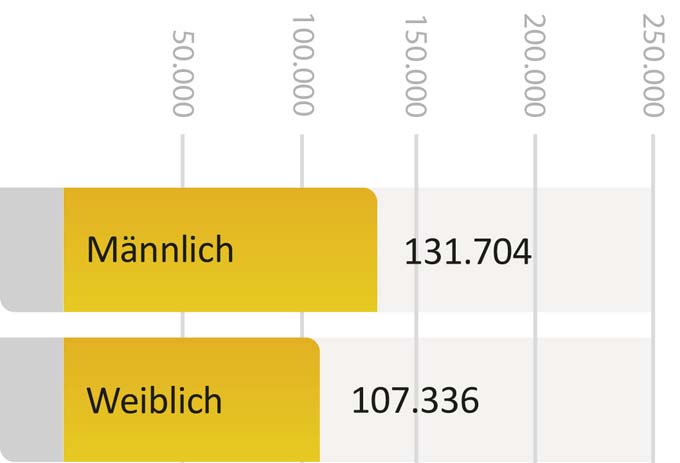
Women earn on average 19% less, with the gap being greater in poorly defined, highly paid roles. In operational and strategic positions, the gap is smaller but still exists.
More responsibility, overtime – higher salary
More overtime goes hand in hand with higher earnings: 90% of CPOs work more than 3 hours of overtime per week. With intensive overtime, the salary rises from CHF 112,000 to CHF 165,000. However, 32% of respondents receive no compensation, while 57% receive time off in lieu. Without compensation, the average salary is around CHF 148,000, and with time off in lieu, it is around CHF 114,000.
Conclusion
Dr. Stephan Hofstetter, partner and managing director for Switzerland at Kloepfel by EPSA, emphasizes: «The report makes it clear that experience, position, further training, and context are decisive factors. Many people benefit from reviewing their own position and making a cross-comparison.»
Sources: procure.ch and KLOEPFEL by EPSA