Ergonomics in the workplace: why the right glasses increase productivity in the office
Ergonomically designed workstations are much more than just a short-term trend in the world of work. In many offices in particular, this involves desks with height adjustment, ergonomic chairs and optimized lighting. However, personal visual performance is often underestimated in this context.





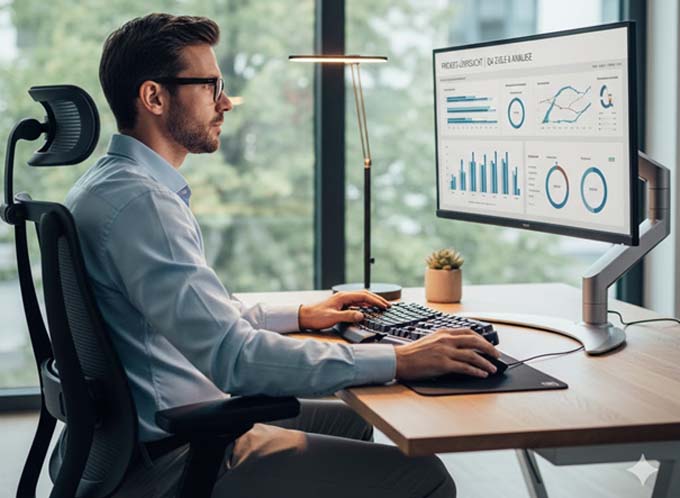
(Image: AI-generated with Google Gemini)
It has long been known that good vision can have a positive effect on well-being, concentration and performance at work.
Vision is a key factor in modern office work
In our service and knowledge society, visual information processing is playing an ever greater and more important role. After all, many tables are analyzed, graphics interpreted, texts read and edited during the working day. In addition, video conferencing is also playing an increasingly central role in our digital working world.
As a result, the eyes are constantly challenged during working hours and have to constantly readjust to different distances when working with conversation partners, paper documents, keyboards and monitors.
However, spectacle wearers often do not realize until it is too late that their own visual aid is not optimally adjusted. This can lead to rapid fatigue, dry eyes or even headaches, which are often initially blamed on long working hours and too much stress.
The actual cause is surprisingly often suboptimal visual aids. Regular eye tests at the optician eyes + more can help to detect changes in visual acuity at an early stage and find suitable solutions for better vision with high-quality glasses. When choosing a new pair of glasses, it is also crucial that they are professionally adapted to the prevailing workplace conditions and individual visual habits.
Digital stress in the workplace: when screens become a challenge
Due to the increased digitalization and Use of artificial intelligence Visual strain has increased significantly in recent years. Increased screen work also puts significantly more strain on the eyes than is the case when reading printed texts. One of the reasons for this is the reduced blink rate when concentrating on working at a screen.
It should also be noted that most standard glasses are primarily designed for reading or looking into the distance. However, the typical distance to a computer screen is often between 50 and 70 centimetres, which means that the monitor in question is often located in an intermediate range that is not ideally covered by conventional lenses.
Special workplace or screen glasses explicitly take this distance into account and therefore enable the most relaxed body and head posture possible, even when working at a screen. If such adapted glasses are not used, spectacle wearers tend to suffer from a Computer workstation often tend to lift their chin or push their head forwards in order to look as sharply as possible. In the long term, this can lead to shoulder and neck problems as well as long-term pain due to misalignment. Optimally adapted glasses therefore not only ensure better vision, but also support an ergonomic sitting position.
Keeping an eye on concentration and productivity
Productivity does not only depend on your own motivation and the right time management. Physiological factors also play a role that should not be underestimated. For example, blurred vision repeatedly forces the brain to make corrections and the additional effort reduces the ability to concentrate and uses up unnecessary energy.
Glasses that are perfectly adapted to the requirements at work also ensure a more stable and clearer visual impression. This makes it easier to recognize important details and to read and understand texts more quickly. Particularly with complex tasks, such as editing graphical content or analyzing large amounts of data, the difference in vision is very noticeable.
A holistic approach to workplace ergonomics
Ergonomics at the workplace does not end with lighting conditions or office furniture. Rather, the focus should be on all factors that support an efficient and healthy way of working. This definitely includes the individual adjustment of any necessary visual aids to the conditions prevailing at the workplace.