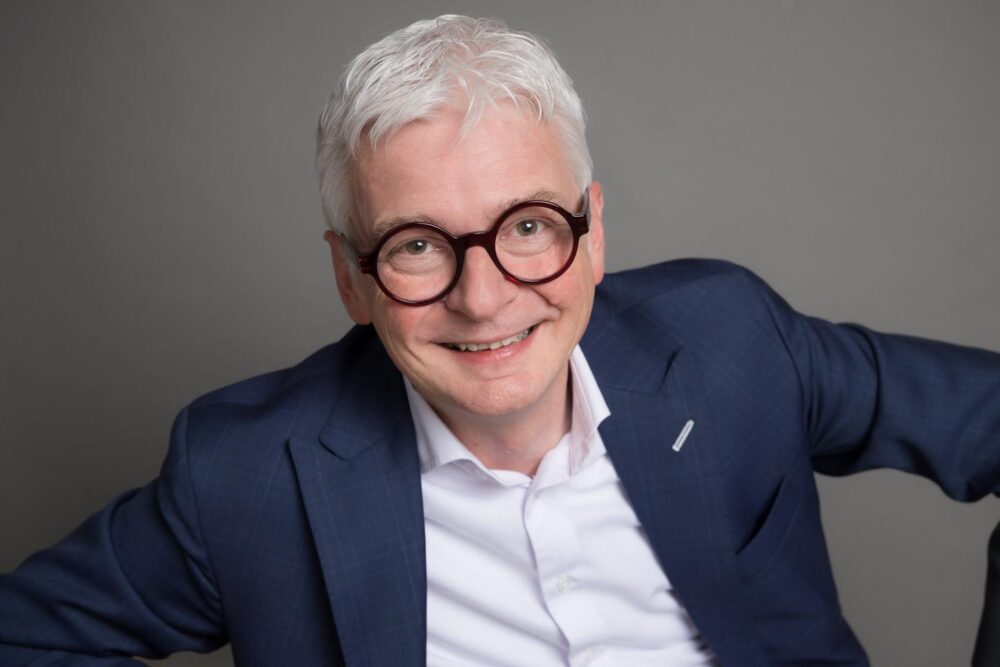
Change in leadership at economiesuisse: Silvan Wildhaber succeeds Christoph Mäder
After six years at the helm of economiesuisse, Christoph Mäder handed over the presidency to entrepreneur Silvan Wildhaber on Economy Day. Wildhaber advocates for open markets, new free trade agreements, and the Bilateral Agreements III.


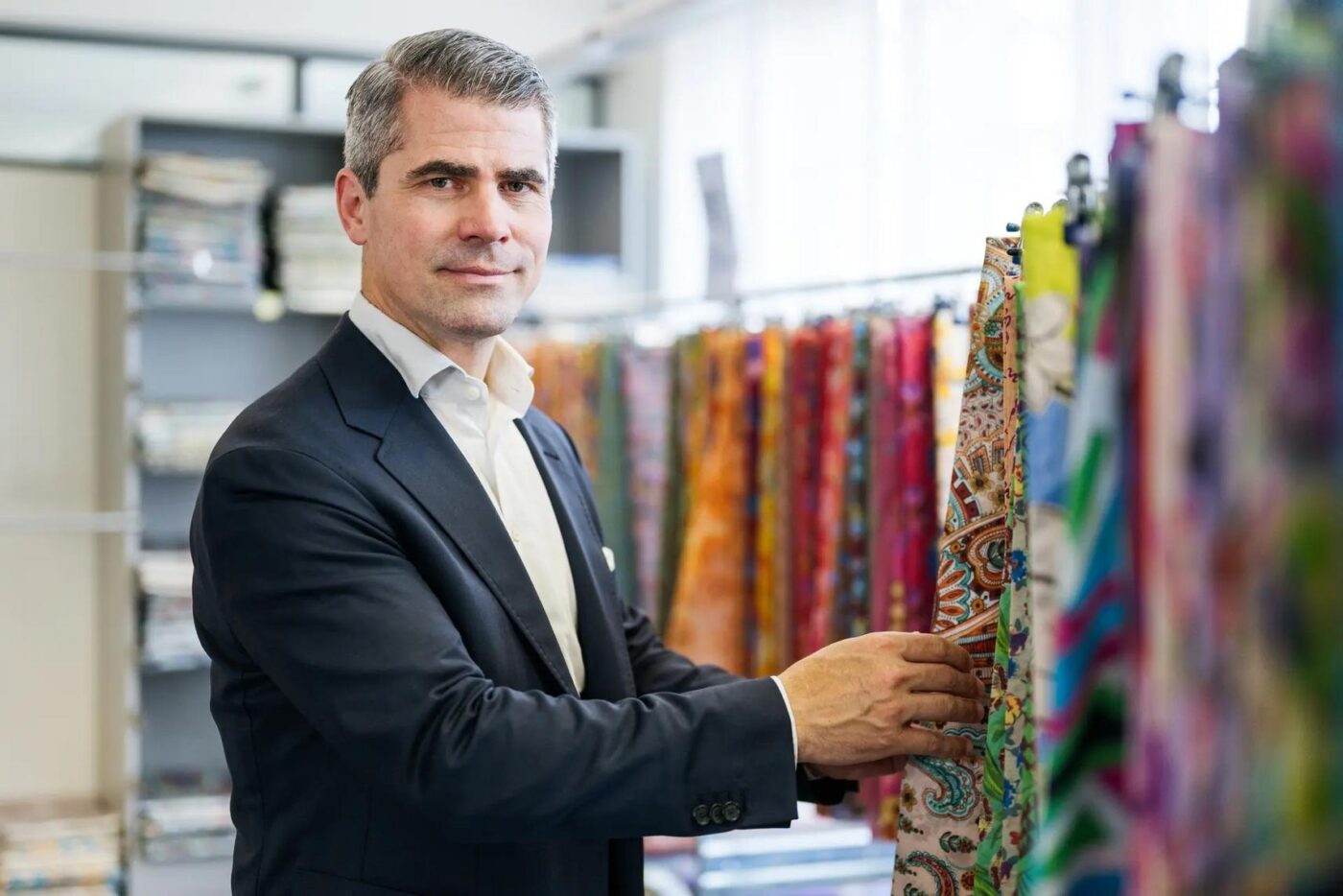
After two terms in office, Christoph Mäder handed over the presidency of economiesuisse to his successor, Silvan Wildhaber, on Business Day. In his presidential address, Mäder emphasized that Switzerland continues to be a leader in many areas. For example, he noted, the country’s innovative strength is impressive thanks to the collaboration between universities and businesses. At the same time, however, progress has stalled when it comes to business conditions. The ability and drive to improve the quality of the business environment through genuine reforms have waned.
«I hope that Switzerland will once again demonstrate a natural ambition to be among the very best. We want to be a country that ranks among the most prosperous in the world. A country that offers the best educational opportunities, has the most sustainable pension systems, ensures the most stable and affordable energy supply, and has the most free-trade agreements,» said Mäder. This requires having the courage to tackle genuine reforms.
Silvan Wildhaber Makes a Case for Bilateral Agreements and Free Trade
On Business Day, entrepreneur Silvan Wildhaber assumed the presidency. «Trade and tariff wars are raging all around us. This poses an enormous challenge for us as a small, open economy. I am convinced that we must seize every opportunity that presents itself to improve our trade relations. We will therefore devote all our energy to the new free trade agreements with Malaysia and Mercosur, as well as to the Bilateral Agreements III,» Wildhaber said in his inaugural address.
For Wildhaber, it is crucial that the business community do an even better job of convincing the people of this country of the added value of a strong economy: «Day in and day out, companies and their employees create prosperity for our country—and in doing so, we make an indispensable contribution to Switzerland.» This needs to be highlighted. «We must unleash even more momentum and commitment within the business community. Only in this way can we entrepreneurs reach people’s hearts,» said Wildhaber. Because one thing is clear: «A strong economy is in everyone’s interest. It guarantees jobs, quality of life, and security in our country.»
Switzerland in the World: Openness and Stability as Key Factors
In terms of content, the Business Day focused on the question of how Switzerland should position itself in today’s world. As an export-oriented nation, Switzerland is under considerable pressure, and the economic environment is marked by uncertainty. Now more than ever, Switzerland must skillfully navigate its foreign economic policy. In this context, Federal President Guy Parmelin, head of the Federal Department of Economic Affairs, Education, and Research (WBF), emphasized the importance of diversification. For this very reason, he said, it is crucial to continuously improve access to key export markets through new and modernized free trade agreements.
In his keynote address, Martin Schlegel, Chairman of the Governing Board of the Swiss National Bank, highlighted how the Swiss economy is holding its own in a challenging global environment and how the SNB contributes to stability and competitiveness. In the panel discussion that followed, Paolo Compagna, CEO of Schindler, Nina Probst, partner at McKinsey & Company and head of the Geneva office, Monika Rühl, Chair of the Executive Board of economiesuisse, and Adrian Steiner, CEO of Thermoplan AG and President of the Central Switzerland Chamber of Commerce and Industry (IHZ), explored how companies can navigate the current geopolitical situation and what business conditions are essential for Swiss companies operating internationally.