Robot as a service: flexibility for SMEs
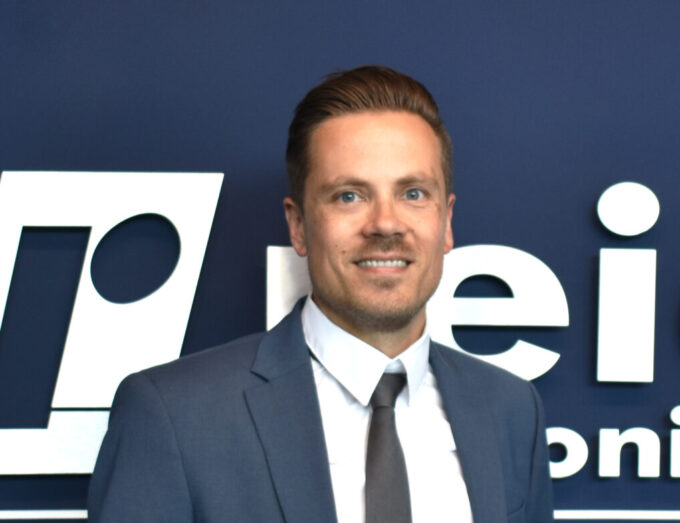
«Robot as a Service (RaaS) enables small and medium-sized companies to use automation flexibly and cost-effectively - without high investments and their own IT infrastructure. Maintenance, software and updates are included and costs can be planned. But the convenience also has its pitfalls, as Malte Janßen from Reichelt Elektronik explains.


Robots no longer have to be bought - they can be rented. «Robot as a Service (RaaS) is more than just a leasing model, as it gives small and medium-sized companies the opportunity to use automation flexibly, cost-effectively and without their own IT infrastructure. Maintenance, software and updates are included and the costs can be planned. What sounds like a convenient solution could fundamentally change the production landscape: instead of ownership, use counts. However, convenience comes at a price - and if you don't take a closer look, you run the risk of becoming newly dependent.
Opportunity for the little ones
SMEs are under pressure: high energy costs, volatile supply chains, lack of skilled workers. Automation is seen as the answer - but many companies shy away from the high investments and technical effort involved. This is precisely where RaaS comes in. Instead of six-figure acquisition costs, monthly installments are incurred, which can be more easily incorporated into limited budgets. The model gives companies quick access to robotics without having to hire their own specialists.
There is also a wide range of products: collaborative robots for assembly and quality inspection, autonomous logistics vehicles for internal transport or specialized service robots. Companies such as ABB, Robco and young RaaS providers are now enabling medium-sized companies to implement solutions that were previously only available to large industrial groups.
The biggest advantage, however, remains flexibility. If the order situation flattens out or fluctuates seasonally, robots can be added to or removed again depending on the contract. For many SMEs that traditionally work with tight margins, this scalability is a real competitive advantage.
Risk in installments
But RaaS is not a sure-fire success. The monthly fees can add up to a considerable expense in the long term - often exceeding the cost of a traditional purchase. If you don't calculate the profitability properly, you'll end up paying for it.
Added to this is the dependence on the provider. Many solutions are based on proprietary hardware and software. If the provider fails, prices are increased or the service model changes, the company may be left without alternatives. In practice, switching is often expensive or technically difficult.
IT security is also a factor. Remote maintenance, cloud connectivity and data-driven analysis are part of many RaaS offerings. This can pose a risk for SMEs that are only just developing their digital strategy. On the one hand, because they often do not have mature cybersecurity structures themselves. On the other hand, because the security architecture of RaaS providers cannot always be smoothly integrated into a company's existing IT systems. This is particularly critical when sensitive production data passes through external servers or cloud services.
In addition, rental robots are usually standardized systems. They work well in simple processes, but reach their limits as soon as production steps are highly individualized. For specialized companies, RaaS can therefore be more of a promise than a solution.
The middle way: seize opportunities, manage risks
RaaS is a valuable option for many SMEs - but not one that should be chosen lightly. Transparent cost models, clear service level agreements and open interfaces are crucial. At the same time, a minimum level of digital expertise must be present in the company. Because even if providers take on a lot: Responsibility for processes and data cannot be outsourced despite external service providers. Without internal expertise, dependency grows - and with it the risk. Appropriate training for staff should therefore be included in the decision-making process. RaaS is not a product that you can «just try out». It is a strategic lever.
Progress over time
«RaaS is not a miracle cure, but it is a realistic path to an automated future,» Malte Janßen is convinced. «SMEs can benefit from lower barriers to entry, more flexibility and access to modern technology.» Anyone using RaaS should therefore do one thing: look at the benefits without illusions - and manage the risks with a cool head. Then the robot on demand will not become a cost trap, but a competitive advantage.
Reichelt Electronics
Reichelt Electronics (www.reichelt.de) is one of Europe's best-known online distributors for electronics and IT technology and sells more than 150,000 products worldwide. Reichelt offers customers worldwide a very good price-performance ratio with the highest availability and shortest delivery times, even for the smallest quantities. Both private and business customers will find a wide range of components, developer boards and single-board computers, home and security technology and workshop supplies in the online store. The product range also covers components for lighting and measurement technology, PC and network technology and power supplies. Reichelt Elektronik, based in Sande, was founded in 1969.