Strong brands don't let AI take the wheel
At the Swiss Brand Congress at the Dolder Grand in Zurich, a record number of around 700 experts discussed how companies can meaningfully integrate artificial intelligence into brand management. The conclusion was clear: AI is a team member - but not a team leader.


At this year's Swiss Brand Congress, the question was no longer whether artificial intelligence is relevant for companies. Instead, the focus was on how AI can be meaningfully integrated into brand management in the future. The guiding theme «Team game brand management - team member AI» was the common thread running through the presentations on seven stages at the Dolder Grand Hotel in Zurich.
Around 700 brand managers, agencies, media representatives and academics accepted the invitation, setting a new attendance record.
Brand management remains a human matter
Industry representatives from mobility, retail, consumer goods and beauty - including Sixt, Ikea, Kärcher, Zweifel, Brack and L'Oréal - described almost the same development: AI accelerates processes, analyzes data and supports decisions. However, responsibility for the brand, its attitude and its relevance remains in human hands.
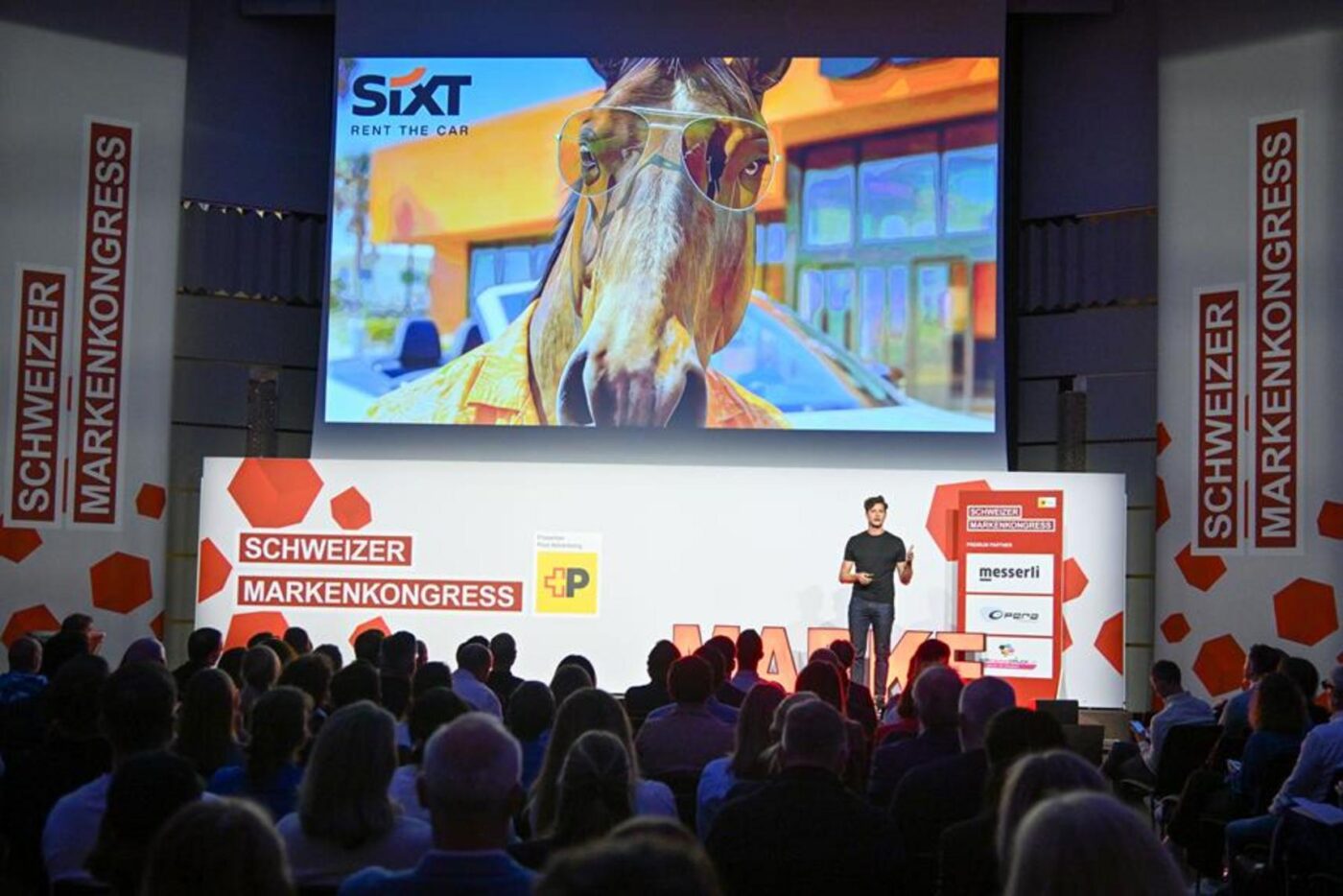
Eliah Werner, Vice President Brand at Sixt, put this idea in a nutshell: «The best prompt is a strong brand DNA.» Speed is only possible if brand values, attitude and tonality are clearly defined. AI supports analysis and production - but strategic and creative decisions are still made by humans.
Technology is also at the service of the brand at Ikea. Belén Frau, Global Communication and Positioning Manager of the Ingka Group, warned against confusing visibility with relevance: «The goal is not to be present everywhere. It's to be relevant in the right places.» Cultural relevance is not created through individual campaigns, but through consistent action over the years.
Bernd Rützler from Kärcher showed how strongly brand management today is characterized by focus and clarity. The company no longer just sells cleaning technology, but increasingly the feeling of relief, control and quality of life. «Emotions are the door opener into people's minds,» said Rützler. Especially in times of increasing competitive pressure, Kärcher is consciously focusing on emotional differentiation and long-term brand development.
Technology with an impact
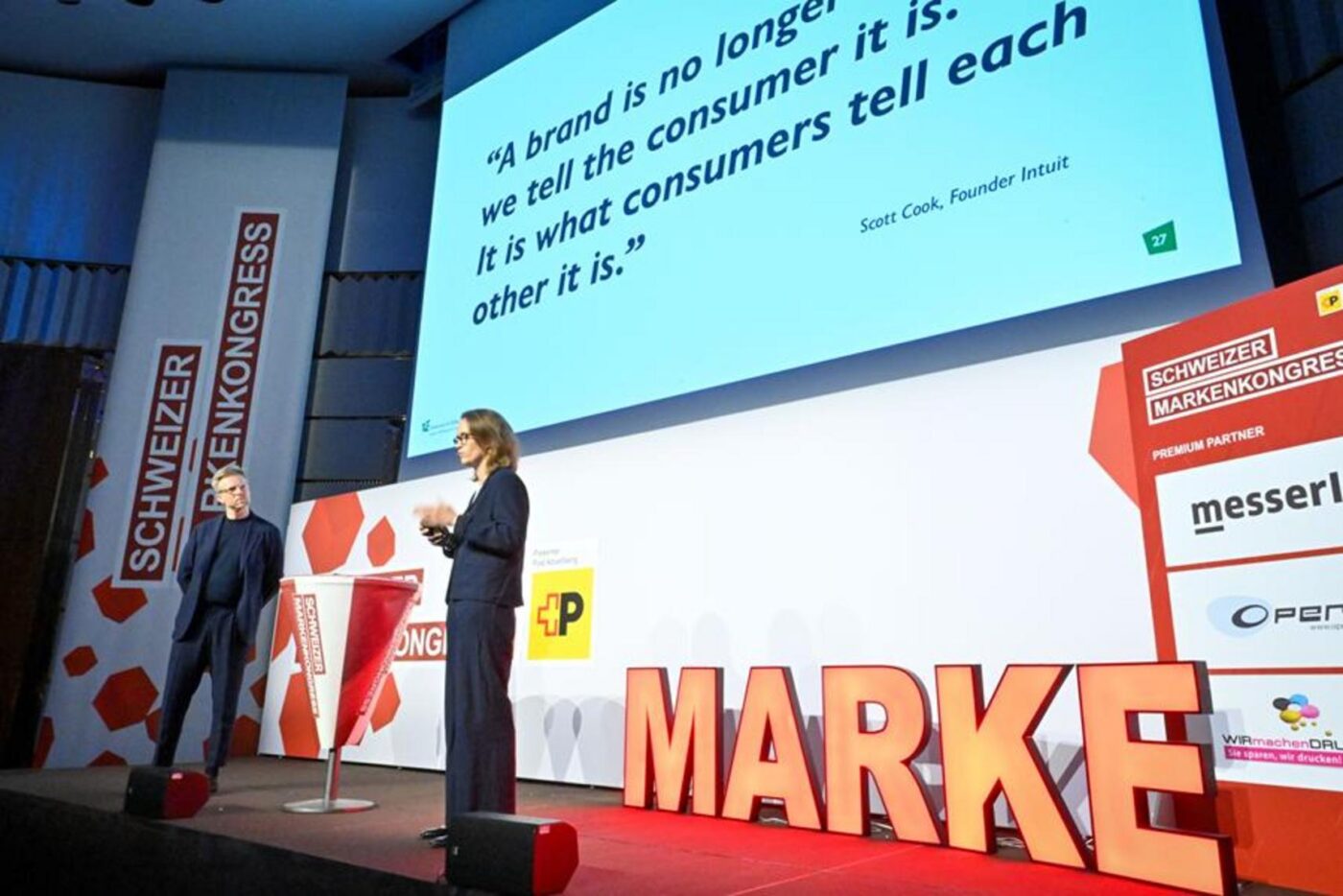
The Tech & Digital Stage focused on the question of how brand impact will be measured in the future. Tobias Zehnder from Webrepublic argued that performance marketing and brand management should no longer be viewed separately. Those who optimize exclusively for short-term clicks pay a high price in the long term. «A strong brand creates a basis of trust that lowers interaction barriers,» explained Zehnder. AI helps to evaluate large amounts of data and manage campaigns more precisely. However, strategic leadership must remain with humans: «AI must remain a team member and must not be promoted to team leader.»
Alma Lipa from L'Oréal showed how data-based brand management works on a large scale. The company uses AI to identify trends at an early stage, personalize content and better understand consumer needs. At the same time, L'Oréal consciously relies on human control: the so-called human-in-the-loop approach ensures that technology supports brand management, but does not take over. The company is increasingly measuring relevance by interactions such as shares, saves and engagement - rather than by reach alone.
Holistic brand communication as standard
Hannah Leimert and Philipp Scharfenberger from the University of St. Gallen made the case for holistic brand communication. Brands today need to generate attention, build relationships, moderate dialogs and create orientation. Two key developments are shaping the present: the increasing virtualization of brand experiences and the growing co-creation of brand meanings by consumers. At the same time, a new longing for physical experiences, community and authentic encounters is emerging as a counter-movement. Successful brand communication should therefore not be limited to individual channels, but must make the brand a consistent experience across stories, dialogs, experiences and iconic products.
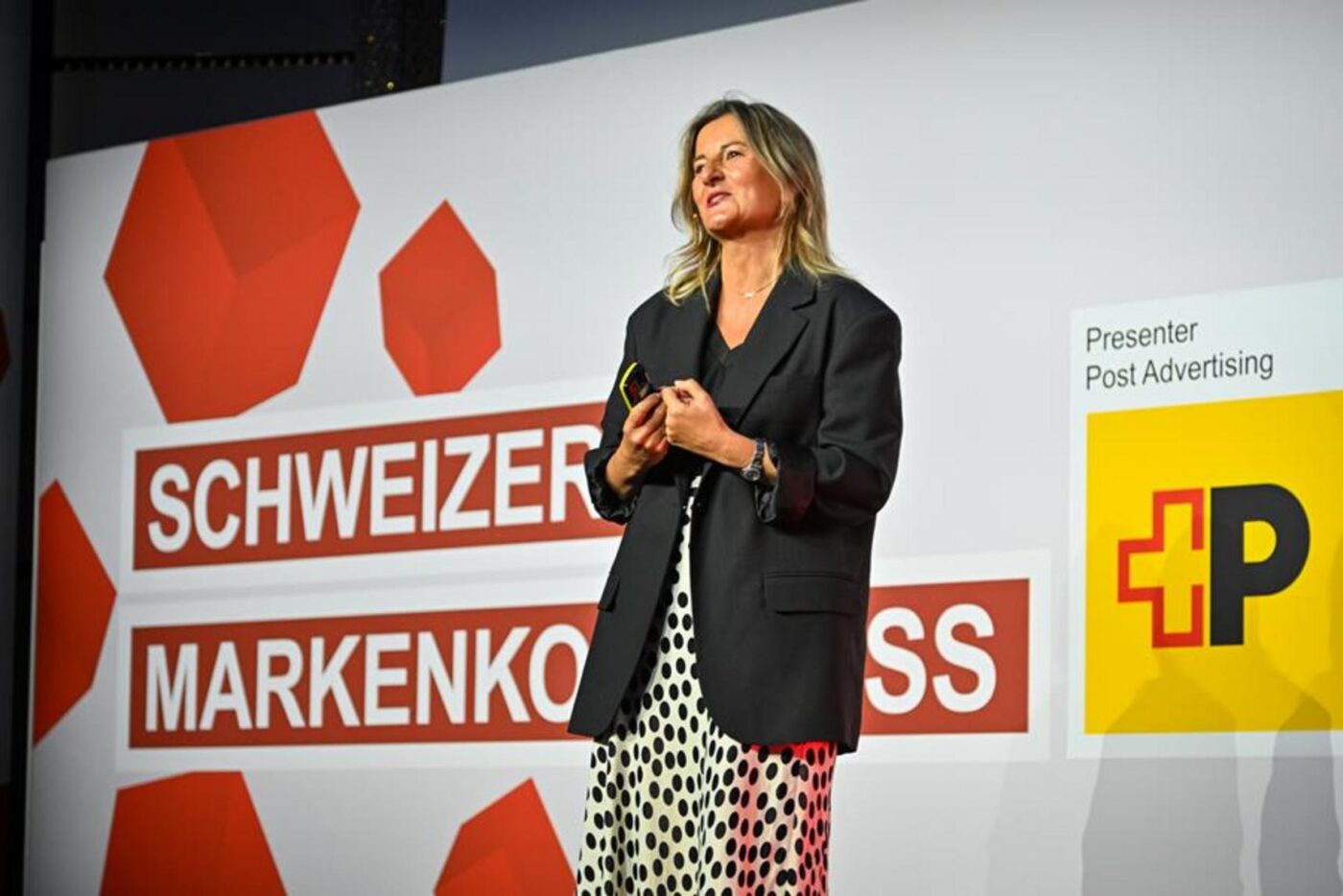
Award for Roman Reichelt from Brack
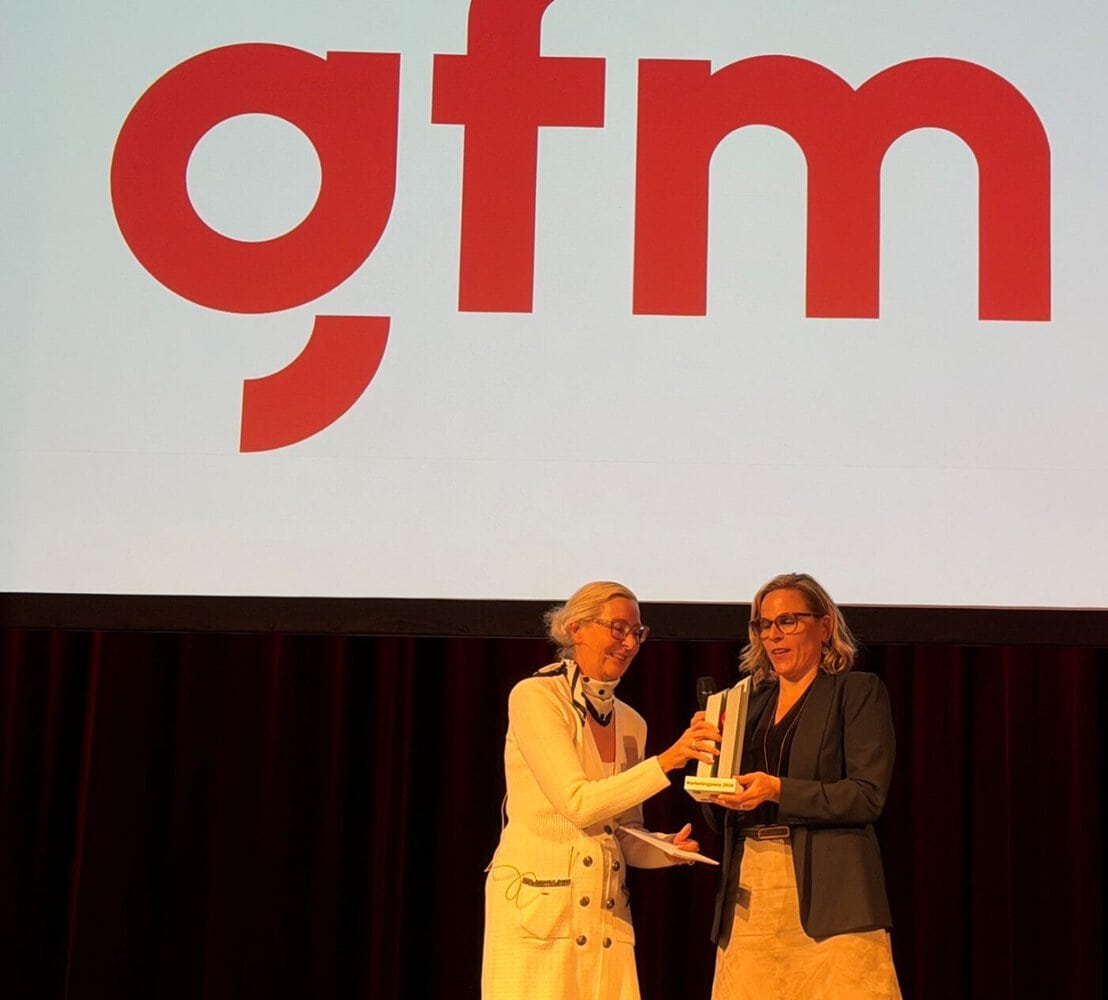
The congress was also the setting for awards. Roman Reichelt, CMO of Brack, was honored with the Marketing Thought Leader Award 2026 for his achievements in modern brand management. The jury particularly recognized his ability to combine data-based management with long-term brand development and to consistently think about brand management from a customer perspective.
For the organizers, the congress confirmed one thing above all: AI has left the experimental phase and has arrived in brand management. «Today, companies are no longer concerned with the question of whether they should use AI, but how they can integrate it into their brand management in a meaningful way,» says Hans-Willy Brockes. Stephan Feige adds: «The most successful brands use technology where it increases customer benefit and strengthens the brand.»
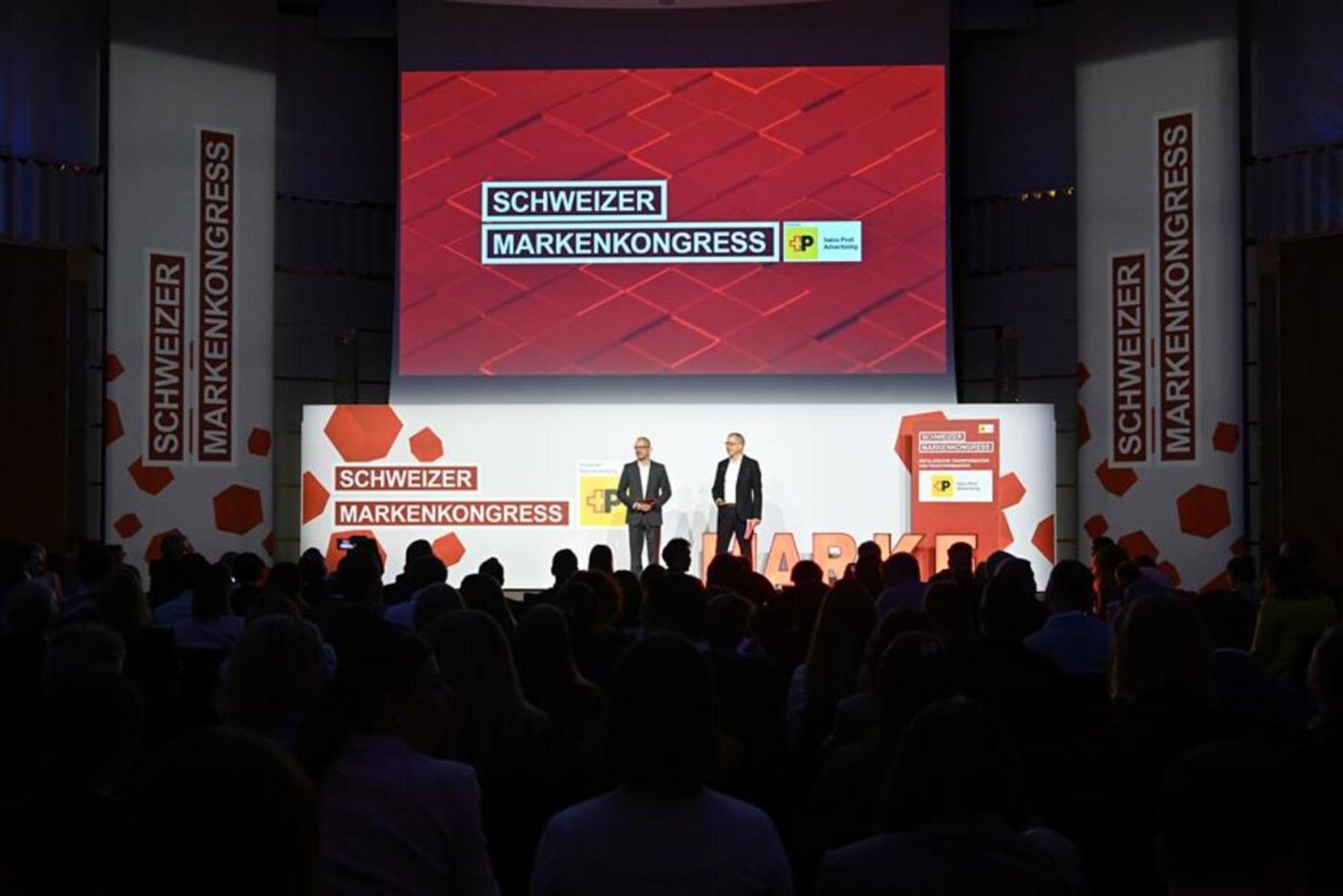
The next Swiss Brand Congress will take place on June 9, 2027. Further information and registration at: www.marken-kongress.ch