New degree course at the FHNW combines sport, data and AI
Tracking, wearables and artificial intelligence are fundamentally changing sport. With the new «Data Science & AI for Sports» course, the FHNW School of Computer Science is positioning itself in a growing future field and training specialists who translate data into measurable performance. The flexible study model also allows the combination with competitive sports.





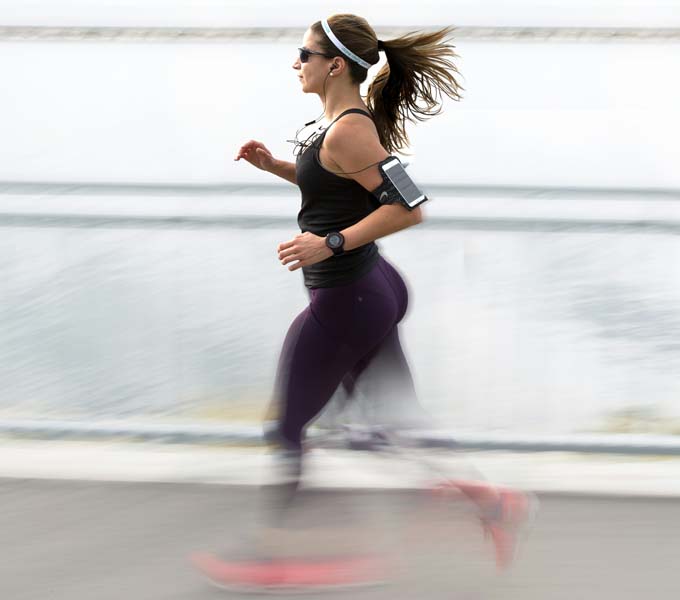
Sport has long been a high-tech field: sensors, video analysis and performance metrics provide large amounts of data. However, more impact is only achieved when this data is correctly interpreted and translated into decisions - for example in match analysis, training management or rehabilitation. This is precisely where the new degree course comes in.
«Football today generates enormous amounts of data. However, the real added value only comes from the dialog between data science experts and sports professionals. This dialogue is key and is made possible by this course of study - graduates should make sports organizations fit for the use of AI,» says Thomas Bernhard, Athletics Coach U21 National Team at the Swiss Football Association.
Practical skills profile for sports analytics and AI applications
In the Data Science & AI for Sports field of study, students acquire sound skills in programming, statistics, data analysis and machine learning and specialize in sports-related applications, among others:
- Performance diagnostics, athlete development and selection for clubs and associations.
- Automated analysis of qualitative information using AI for sports psychologists.
- Use of wearables for personalized preventive medicine.
- Data-based analytics and business insights for sports managers
«We combine state-of-the-art data science and AI skills with a field of application that inspires many people. At the same time, our study model is structured in such a way that there is room for different life realities. This makes it particularly attractive for students who are involved in competitive sport, have a career or other commitments,» says Martin Rumo, Head of Studies at the FHNW School of Computer Science.
The added value of sports data can be seen in specific game situations. In tennis, for example, video and position data can be used to analyze the conditions under which points are won - such as how net attacks or running routes affect the probability of success depending on the opponent. Algorithms recognize patterns across thousands of rallies and provide data-based recommendations. Such questions are exemplary of the interplay between sport, data and artificial intelligence.
Study flexibly - even alongside training, competition or job
The Data Science & Artificial Intelligence degree course is flexible and individualized and can be completed full-time or part-time. It is based on few fixed compulsory dates, diverse learning paths and a coaching program that supports students in learning organization and further development.
Graduates qualify for jobs such as Sports Data Analyst, Sports Data Engineer, Rehabilitation Data Analyst or Business Strategy Analyst in the sports environment. As the data science and AI skills acquired can be used across all sectors, they also open up prospects outside of sport, for example in healthcare, industry, energy, mobility or finance.
The course will start in the fall semester 2026 at the FHNW School of Computer Science in Brugg-Windisch.