Friction maxxing as an antidote to AI fatigue in the world of work
After the initial euphoria about AI tools, a certain AI fatigue is increasingly spreading in companies. The «friction-maxxing» trend focuses on deliberately slowing things down by creating small obstacles in work processes. This can sharpen judgment, deepen commitment and strengthen mental resilience.





Artificial intelligence has established itself in almost all areas of life in a very short space of time - especially in the world of work. At the same time, however, companies are increasingly questioning whether AI is really simplifying everything or whether it is perhaps contributing to declining employee engagement and poor motivation levels. The «friction-maxxing» trend could be an answer to this development.
What is Friction-Maxxing?
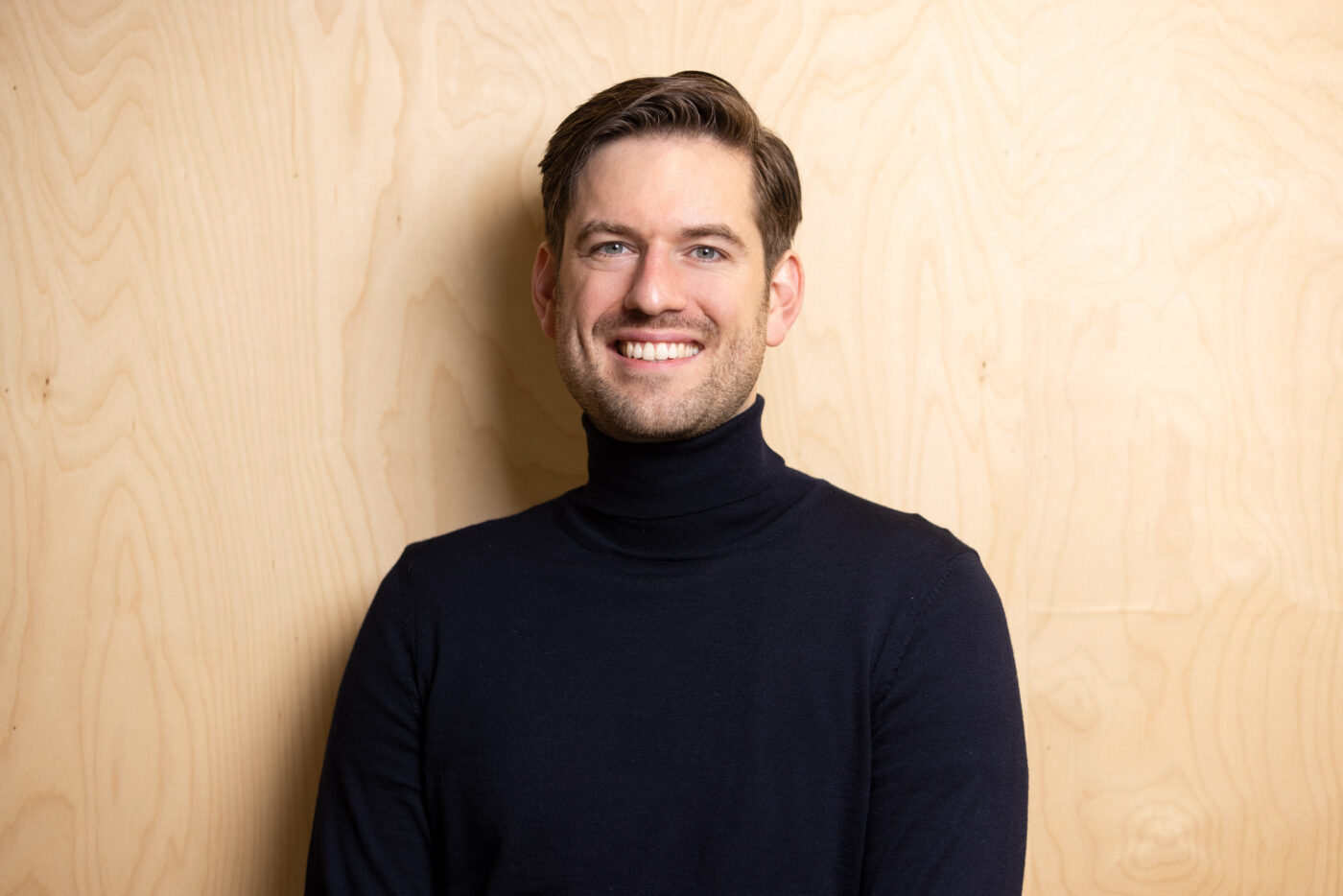
Arne Sjöström, Regional Director People Science EMEA at Culture Amp, explains the concept: «Friction-Maxxing is a trend from the lifestyle sector, but it also has great potential for the world of work and the strategic use of AI in companies. This refers to a behavior in which people accept more small obstacles and hurdles in work processes. The advantage: by consciously delaying, judgment can be sharpened, commitment deepened and mental resilience strengthened.»
Personal encounters instead of digital acceleration
Friction-Maxxing offers managers and middle management in particular the opportunity to bring productive friction back into decision-making processes. The return to more personal encounters and analog work processes creates focused attention, psychological safety and non-verbal signals that are simply lost in digital formats. Personal encounters enable constructive exchange and help teams to develop a shared understanding of quality.
In the end, it's not about creating unnecessary hurdles, but about creating the right amount of friction: Analog for a better handling of ambiguity, creativity and trend-setting decisions - digital for implementation.
More meaning and relevance of your own work
Positive friction can act as a counterbalance to the AI-driven acceleration in the world of work and restore focus - be it through the thorough rethinking of a briefing or the conscious desire for personal exchange. This also creates a better awareness of the meaning and relevance of one's own work. Reclaiming time to think, meet and create enables teams to reconnect with their actual mission and aspirations - qualities that AI automation alone cannot achieve.
This change in behavior can lead to more presence, less anxiety and a stronger sense of control. The consciously chosen, only supposedly more complicated path can therefore contribute to greater autonomy and deeper satisfaction.
Targeted use of intentional friction
The task of modern managers is therefore to consciously create so-called intentional friction in human-centric activities and at the same time use AI to minimize the daily administrative workload. Companies that clearly identify where AI has its strengths and should be used, and where human skills such as empathy, judgment and critical thinking are irreplaceable, give employees the opportunity to focus on the work that really counts and creates real added value.
Friction-Maxxing is not so much a plea against technology, but rather a call for intentionality - in other words, for consciously weighing up when processes should be automated and when resistance can make the decisive difference.
Dr. Arne Sjöström is Regional Director People Science EMEA at Culture Amp with a focus on organizational psychology and applied research. He uses insights from the field of psychology and behavioral research in the application of HR technologies to advise companies on personnel selection and development as well as employee feedback.
More information: Culture Amp