
Indoor air quality: five reasons for more transparency

Indoor air quality is important for a whole range of reasons: it affects employees' work efficiency and job satisfaction, the utilization of expensive office and conference rooms, the expansion of facility management control options for ventilation and air conditioning technology, and last but not least, the optimization of energy costs. Wherever people are in enclosed spaces [...]


Air quality
It is not only in connection with the coronavirus that indoor air quality has increasingly come into focus. Ambient air also has a measurable influence on people's performance in other ways. With the right solutions, air quality can be adequately monitored. (Image: Pixabay.com)
Indoor air quality is important for a whole range of reasons: it affects employees' work efficiency and job satisfaction, the utilization of expensive office and conference rooms, the expansion of facility management control options for ventilation and air conditioning technology, and last but not least, the optimization of energy costs. Wherever people meet in enclosed spaces, the Air purity a sensitive topic. This applies first and foremost to workplaces, but also to other premises, for example in daycare centers, schools or universities.

Measure indoor air quality

The technology for room air measurement is now easy to install and operate, robust and efficient in operation, and last but not least, cost-effective. The sensors are simply attached to the relevant room using plug-and-play and connected to a dedicated cloud via a separate network (LORA-WAN) that is independent of the normal WLAN and a gateway. There, the values fed in are processed and can be called up and read at any time via an online dashboard. Essentially, the following five positive effects can be achieved from this.

1. increase of well-being and efficiency

People need adequate ambient air quality for concentrated learning and work. It has a measurable influence on their work performance. Poor indoor air quality causes fatigue, lack of concentration or even headaches. Sensor technology is used to measure the parameters that are decisive for this, such as carbon dioxide (CO2), temperature, humidity and volatile organic compounds (VOC) are recorded. This allows, for example, the simple measurement of CO2-The germ and aerosol content of the air can be deduced from the room air content and humidity. If required, other parameters such as fine dust, radon or carbon monoxide can also be measured by sensors.

2. anonymous occupancy measurement

By measuring these current values, exceedances of the limit values are reliably recorded and made transparent in real time. In addition, this makes it possible to measure the occupancy of a room, i.e. the number of people in it, anonymously and without the use of surveillance cameras. In this way, for example, current overcrowding or chronic exceeding or falling below occupancy limits can be reliably detected without having to record personal data.

3. current values as instructions for action

The measured values can be provided directly to those affected and serve as instructions for action. For this purpose, they are simply made visible directly in the room concerned by means of colored light, quasi as a traffic light signal. The values are also transmitted via device management over a separate network to a separate cloud. There they are processed, analyzed, compared and then made available via an online dashboard. In addition to those directly affected, other authorized persons, such as managers or air-conditioning technicians, also have access.

4. reduction of energy costs

The instructions for action based on current measurements enable much more targeted and efficient ventilation - resulting in higher energy efficiency and lower costs. Especially in times of drastically rising energy prices, this is an important aspect for companies. And by the way, the potential for disputes between "fresh air fanatics" and "heat lovers" that is latent in many offices is eliminated, since ventilation is now based on neutral values.

5. efficient facility management

For facility management, the air quality values are the basis for efficient control of heating, ventilation and air conditioning technology. These optimization options also ultimately serve to increase energy efficiency and reduce operating costs. Furthermore, even the link to alarm systems is possible, since the differential pressure between different rooms provides information about the air flow in the building, and thus deviating values can be detected. Source: www.leanbi.ch. LeanBI, headquartered in Bern, is a Swiss specialist for data science applications that develops customized data analysis solutions based on artificial intelligence. The applications cover areas such as quality and process optimization, automated damage detection for infrastructures, and analysis of air quality and user behavior in rooms.

This article originally appeared on m-q.ch - https://www.m-q.ch/de/luftqualitaet-in-innenraeumen-fuenf-gruende-fuer-mehr-transparenz/

Amazee Metrics: New name Advance Metrics - and new owner

Advance Metrics advises clients such as Implenia, ETH Zurich, Sonova, 20 Minuten, The Dolder Grand, Barry Callebaut and ÖKK in the areas of online marketing, data analytics and digital marketing compliance and specializes in data-based optimization of digital performance. The company has been offering online marketing and data analytics from a single source for eight years [...]

Advance Metrics
The Advance Metrics team.
Advance Metrics advises clients such as Implenia, ETH Zurich, Sonova, 20 Minuten, The Dolder Grand, Barry Callebaut and ÖKK in the areas of online marketing, data analytics and digital marketing compliance and specializes in the data-based optimization of digital performance. The company has been offering online marketing and data analytics from a single source for eight years and employs staff in Switzerland, Germany and South Africa. Apart from the new ownership structure, only the name is changing. Gregory Gerhardt, Chairman of the Board of Directors of the Amazee Group, says: "Our group develops digital entrepreneurs and companies. After years of successful growth, it is time for Evelyn Thar to continue to lead the company not only as CEO but also as owner." Evelyn Thar, CEO and now also Chairman of the Board of Advance Metrics: "I would like to thank the entire Amazee team, who have helped me build Amazee Metrics over the past eight years and have now enabled me to take the step towards independence. I am particularly pleased that Patrick Barnert, who has been on our Board of Directors for many years, is also joining the Board of Advance Metrics. The Advance Metrics team and I are looking forward to the new challenges and exciting activities that our clients and the market present to us every day." Advance Metrics will continue to focus on the three service areas of online marketing, data analytics and digital marketing compliance. Evelyn Thar says: "We see exciting growth trends in all three areas driven by new regulatory triggers, such as the increased requirements for data protection in online marketing. We look forward to continuing to use our many years of experience in the data-based optimization of digital performance to advise our clients."  

How disruptive technologies are changing an entire sector

For companies and investors alike, the innovation potential of the biotech sector over the past two years has been dominated by the development of vaccines and therapies against covid-19. This emphasis is now increasingly diminishing. At the same time, the financial markets are focusing more on chronic and severe diseases that affect a larger proportion of the population. Important technological advances, [...]

Technologies
Disruptive technologies are transforming the biotech industry. This is leading to new opportunities in drug development. (Image: Unsplash.com)
For companies and investors alike, the innovation potential of the biotech sector over the past two years has been dominated by the development of vaccines and therapies against Covid-19. This importance is now increasingly diminishing. At the same time, the financial markets are focusing more on chronic and serious diseases that affect a larger proportion of the population. Important technological advances that previously focused on the treatment of rare diseases are now being tested more frequently in clinical trials for indications with large numbers of patients. The biotech industry will benefit from this because it is a pioneer in a large number of new therapeutic approaches. Many biotech companies have recently begun to expand their clinical projects from their previous focus on rare diseases to include the treatment of diseases with higher patient numbers. This involves the use of a new generation of technologies with enormous disruptive potential. More and more product candidates not only meet medical needs in indications that were previously almost untreatable, but also promise a complete cure. A number of our portfolio companies are presenting groundbreaking clinical trial results this year.

Moderna's next vaccines soon ready

At Moderna, the results for the Omikron-specific booster vaccine and the mRNA-1010 influenza vaccine are probably the most important events for 2022. A new generation of this mRNA vaccine is expected to be superior to conventional influenza vaccines in terms of efficacy profile and efficiency by including other antigens and virus strains in addition to the four selected by the WHO. If a combination vaccine against influenza and coronaviruses can be successfully launched on the market, the global market for influenza vaccines, which currently provides around 500 million doses per year, could expand significantly, possibly even doubling. Combination vaccines also appeal to people who are skeptical about regular individual vaccinations. Due to the rapid development times and good tolerability of mRNA vaccines, their protagonists Moderna, Biontech and Pfizer would be the big winners of such a breakthrough. As industry experts estimate the prices for such combination vaccines at up to USD 60 per dose, this opens up enormous sales potential. The effectiveness of mRNA technology in influenza is only an intermediate step in Moderna's long-term plans. Moderna currently has three important Phase III trials underway. In addition to the flu vaccine, there is a vaccine against RSV, a serious respiratory infection in infants and young children, and a vaccine against cytomegalovirus (CMV). There are currently no treatment options against this herpes virus, which can cause deafness and developmental disorders in newborns.

Genome editing - technology for billion-dollar sales

Genome editing, which aims to permanently cure diseases, is on the verge of a major commercial breakthrough. This involves cutting out fragments of human DNA that are considered to be genetic triggers of diseases and repairing them with genetic replacements. In cooperation with Vertex Pharma, Crispr Therapeutics is developing therapies for beta-thalassemia and sickle cell anemia. There are currently no adequate treatment options for these two genetic disorders in the formation of blood cells, which cause severe disease progression. Due to a specific genetic predisposition, the severe form of sickle cell anemia is dominant, with around 50,000 patients in the USA. Beta-thalassemia, also known as Mediterranean anemia, on the other hand, is more common in southern Europe, while the severe form occurs in around 1000 patients in the USA. This therapy is a complete cure after a single dose. The market approval of the first drug based on genome editing would revolutionize the treatment of this disease. The pricing power for this product, which only needs to be administered once, is correspondingly high. In the second half of 2022, Crispr and Vertex Pharma will be the first companies to submit approval data and a marketing authorization application. If the product makes it onto the market in 2023 as expected, it could generate annual peak sales in the billions. As genetic engineering methods for drug development, RNA-based therapeutics such as siRNA and ASO (antisense oligonucleotides) have received market approval in niche indications in recent years. The company Alnylam is the leader in siRNA-based drugs and should present clinical results for its already approved product Onpattro in the middle of the year. If successful, the application would expand from 50,000 patients with ATTR amyloidosis and polyneuropathy to up to 300,000 patients with ATTR cardiomyopathy. ATTR is a rare disease in which a certain protein is not broken down in the body and is deposited in organs.

Artificial intelligence creates new foundations

Rational drug design is a novel approach that uses artificial intelligence (AI) and machine learning to analyze the molecular movements of protein molecules with regard to their role in the development of a disease. The company Relay Therapeutics has three cancer drugs in clinical phase I that target disease-causing proteins that were previously not considered accessible targets for therapies. Black Diamond Therapeutics uses machine learning approaches for cancer therapies that work independently of specific tumor types. Thanks to its pioneering role in numerous disruptive technologies, the biotech industry could soon attract the interest of investors again. The figures speak for themselves. While an average of 20 drugs were approved annually in the USA, the world's largest drug market, at the beginning of the noughties, this figure has risen to 58 in 2021. At the same time, in purely quantitative terms, the total number of clinical trials and patients treated is significantly higher than before the start of the pandemic. The importance of biotechnologically produced drugs will continue to increase in the future. According to estimates, biotech products will account for around 40% of total sales of prescription and over-the-counter medicines by 2026. Author: Dr. Daniel Koller joined Bellevue Asset Management in 2004 and since 2010 has been Head Investment Management Team of the BB Biotech AG, an investment company based in Schaffhausen/Switzerland. From 2001-2004 Daniel Koller was an investment manager at equity4life Asset Management AG and from 2000-2001 an equity analyst at UBS Warburg. He graduated in Biochemistry from the Swiss Federal Institute of Technology (ETH) Zurich and holds a PhD in Biotechnology from ETH and Cytos Biotechnology AG, Zurich. Editor's note: BB Biotech AG holds shares in some of the companies mentioned in the text or has them in its portfolio.

This article originally appeared on m-q.ch - https://www.m-q.ch/de/wie-disruptive-technologien-einen-ganzen-sektor-veraendern/

Coca-Cola launches global music platform with film and Queen song

Coke Studio, Coca-Cola's new global music platform, offers emerging talent the opportunity to partner worldwide and inspire new audiences with musical magic. It kicks off with a film called "The Conductor," in which seven male and female artists collaborated to reinterpret the legendary Queen track "A Kind of Magic." [...]

Coke Studio, the new global music platform from Coca-Cola, offers up-and-coming talent the opportunity to enter into global partnerships and inspire new audiences with musical magic. It starts with a film entitled "The Conductor", in which seven artists have worked together to reinterpret the legendary Queen track "A Kind of Magic". Coke Studio and "The Conductor" are the latest expressions of the global brand philosophy Real Magic, which Coca-Cola introduced at the end of last year. At the heart of the platform is the belief that diversity makes the world a better place to live in - and that "real magic" happens when we come together through shared experiences, both digitally and in real life. "Coke Studio is 'digital-first, always-on' and a direct extension of Coca-Cola's Real Magic philosophy," says Pratik Thakar, Senior Director, Global Creative Strategy and Content at Coca-Cola. "It connects fans around the world." "The Conductor" is a tribute to the rock band Queen: the work is designed to embody the multicultural magic at the core of the Coke Studio platform. The 90-second film centers on a re-recording of Queen's "A Kind of Magic" tune, produced in collaboration with global emerging artists, each with their own unique take:produced within, each bringing their own style and reinterpreting the track for another generation Artists include Grammy-nominated American R&B musician Ari Lennox, British singer-songwriter Griff, Turkish electro-pop producer Ekin Beril, Latin urban pop musician Mariah Angeliq, Nigerian singer-songwriter and producer Tems, Canadian-Indian rapper and producer Tesher, and multilingual K-pop girl band Tri.be Coca-Cola In addition to the movie, each of the seven artists has also recorded their own versions of "A Kind of Magic", which are available along with additional tracks and behind-the-scenes footage. Content can also be accessed through the on-pack activation 'Drink. Scan. Enjoy' activation. This transforms Coca-Cola packaging into digital portals: a gateway for consumers to experience the new global Coke Studio content. "The Coke Studio platform was first launched in Pakistan in 2008 and has had great success there, in Africa and in the Philippines, including eleven million YouTube subscribers," says Thakar. "Today, we are excited to introduce it to a global audience and use the reach of our brand to build a new audience for some exceptional artists." Coca-Cola "We set out to do something different with Coke Studio," says Joshua Burke, Senior Director of Global Music & Culture Marketing at The Coca-Cola Company. "Coca-Cola has always had a strong connection to music and a long tradition of connecting people across borders and cultures. Coke Studio brings these two things together in a way that is powerful, forward-thinking and supports the development of talent in the music industry." Burke continues: "We see 'The Conductor' as both a tribute to the legendary band Queen and an opportunity to refresh and reinterpret one of their greatest tracks for another generation. There's magic in that too." The launch of Coke Studio and "The Conductor" was curated in partnership with Universal Music Group, the global provider of music-based entertainment, with five of the participating artists signed to the company's iconic record labels and a sixth to Universal Music Publishing Group. "The Conductor" was created in collaboration with the agency Betc London and the director of Iconoclast Pierre Dupaquier.  
Link to the Coke Studio YouTube Hub

Siemens Excellence Award: 10,000 Swiss francs for two young Swiss researchers

Patrick Heller and Lorenz Rüegsegger, building services engineering graduates from the Lucerne University of Applied Sciences and Arts (HSLU), win the national Siemens Excellence Award worth 10,000 Swiss francs. Their bachelor thesis entitled "Optimal control for a new type of decentralized latent storage module in an apartment building" convinced the jury.

Patrick Heller (left) and Lorenz Rüegsegger from the Lucerne University of Applied Sciences and Arts are the winners of the national Siemens Excellence Award worth 10,000 Swiss francs. (Image: Siemens Switzerland)
The greatest potential for reducing the energy consumption of buildings in Switzerland lies in space heating and domestic hot water. In new buildings, domestic hot water is already being integrated into energy-efficient and environmentally friendly heating systems. However, in view of the unchanged high energy consumption for domestic hot water preparation, new solutions must be sought. One such solution has now received the national Siemens Excellence Award.

Decentralized domestic hot water preparation

As part of the "BWW++ domestic hot water storage tank" research project of the Competence Center for Thermal Energy Storage (HSLU) and BMS Energietechnik AG, Lorenz Rüegsegger from Sumiswald and Patrick Heller from Willisau have now developed a new type of system for decentralized domestic hot water preparation. This includes a decentralized heat pump that draws its evaporation energy from the heating circuit in winter or the room heat in summer and operates a fresh water station via a latent heat storage tank. The award-winning work helps to make an important contribution to efficient thermal energy supply in decarbonized residential buildings. In addition, the solution is not only scalable nationally but also internationally, making it a promising approach from an economic perspective. The system has a high energy-saving potential and is intended for long-term use in new buildings in the residential sector. Through optimal use, the annual thermal energy requirement can be reduced by 12 % and the final electrical energy requirement by 20 %.

Siemens Excellence Award for implementable projects

The two young researchers impressed the jury of the Siemens Excellence Award with this practical and future-oriented project. It is also pleasing that the project will be continued together with the industrial partner. For Gerd Scheller, Country CEO of Siemens Switzerland, the promotion of young talent is very important: "With the Excellence Award, we want to motivate young people to work on scientific topics that can be put into practice." In addition to scientific achievement, the degree of innovation, social relevance and the practical feasibility of the work are the main criteria for evaluating the entries. The Excellence Award is part of the "Generation21" education program, with which Siemens seeks dialogue with the next generation and promotes young talent in the fields of science and technology. "With this commitment, we accompany young people in their development and education and support them in seizing their future opportunities," says Gerd Scheller. Source: Siemens Switzerland

This article originally appeared on m-q.ch - https://www.m-q.ch/de/brauchwarmwasseraufbereitung-10000-franken-fuer-zwei-schweizer-jungforscher/

Brig Simplon repositions itself - and focuses on synergies

Together with the destinations Aletsch Arena, Blatten-Belalp and Obergoms, the digitalization cooperation "Aletsch Kollektiv" was founded. The regions thereby rely on a uniform system landscape, can benefit from synergies and pursue the goal of supra-regional and consistent guest communication. While the systems were being set up in the background, a new image, brand values and clear positioning were created. Silvio Burgener, Managing Director of [...]

Brig Simplon
The Stockalper Castle
Together with the destinations Aletsch Arena, Blatten-Belalp and Obergoms, the digitalization cooperation "Aletsch Kollektiv" was founded. The regions rely on a uniform system landscape, can benefit from synergies and pursue the goal of supra-regional and consistent guest communication. While the systems were being set up in the background, a new image, brand values and clear positioning were created. Silvio Burgener, Managing Director of Brig Simplon, explains: "Just because we present a new logo, we won't find any new guests. But it is immensely important to have a contemporary image that creates trust among guests, inspires and showcases bookable products." Brig is an ideal starting point for experiences in the Valais mountains at any time of year, with a wide variety of activities and excursion destinations. In order to communicate these values and experiences, the decision was made to implement a design integration in collaboration with Valais/Wallis Promotion.

Bundled resources

Damian Constantin, Director of Valais/Wallis Promotion, says: "We are very pleased about this collaboration with Brig Simplon. In a highly competitive national and international environment, it makes sense for us to pool our resources in order to be stronger together. Joint communication enables us to exploit synergies and have a greater impact. Thanks to the awareness of the Valais brand, resources can be used more for communicating offers and less for image purposes. Brig Simplon also relies on the cooperation with the sales organization Matterhorn Region AG for the development of local and long-distance markets. Based on the prioritized markets, offers are brought to tour operators under one brand umbrella.   Brig Simplon Brig Simplon Brig Simplon Brig Simplon

Martin et Karczinski develops brand for health platform Well

The Well platform is intended to bundle the knowledge and expertise of all stakeholders as a comprehensive ecosystem for individual health management. Martin et Karczinski was commissioned to develop the brand design after a two-stage competition in fall 2020. In an intensive collaboration with representatives of the founding companies, the strategic foundations for the positioning, the brand architecture [...]

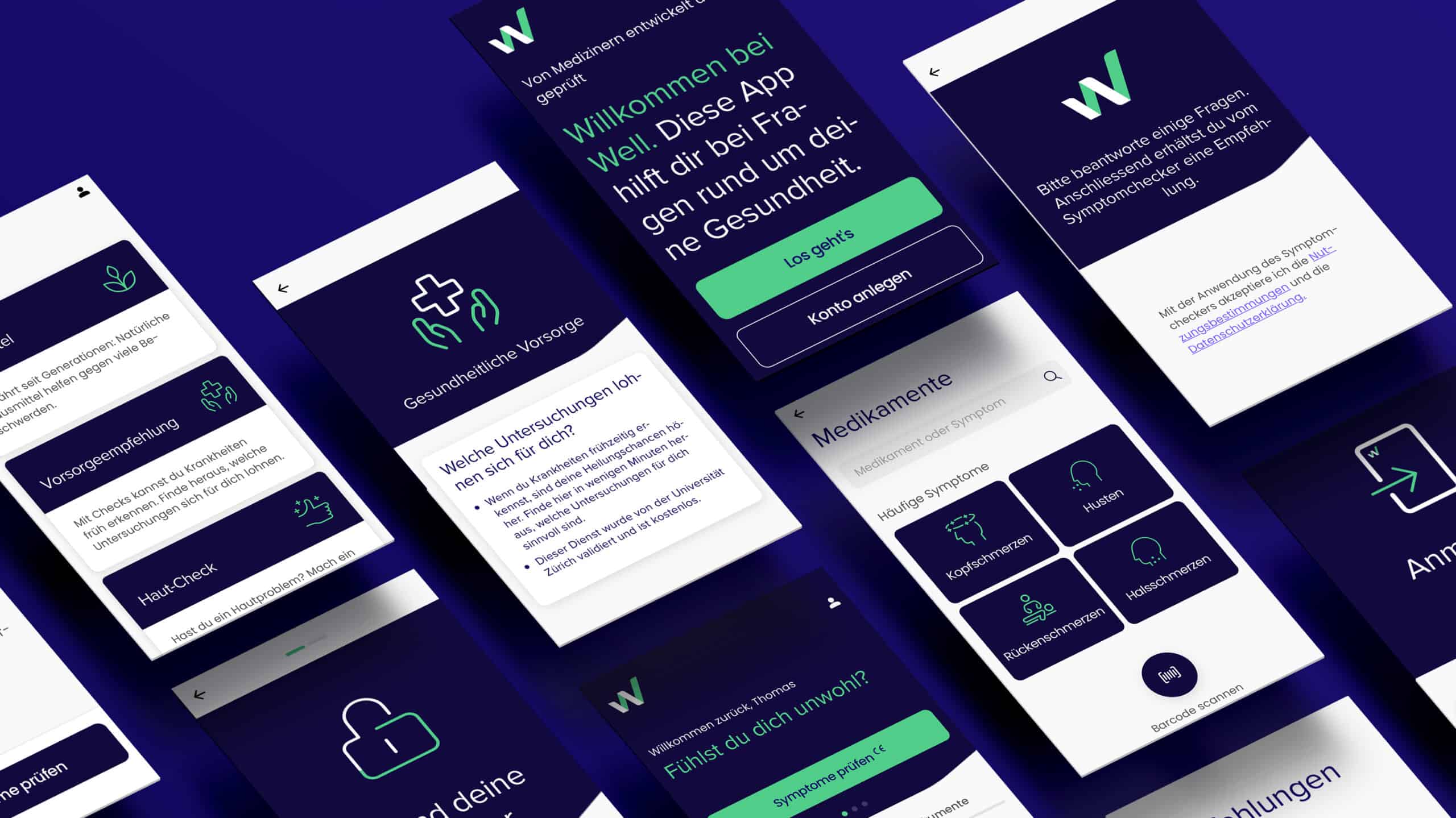
WellAs a comprehensive ecosystem for individual health management, the Well platform aims to pool the knowledge and expertise of all those involved. Following a two-stage competition in fall 2020, Martin et Karczinski was commissioned to develop the brand design. The strategic foundations for the positioning, brand architecture and brand development of Well were created in intensive collaboration with representatives of the founding companies. "Well should enable all relevant players in the healthcare sector to come together and pull in the same direction. That is Well's vision," says Alexander Boyer, CEO of Well Gesundheits AG. The brand promise "Your health in your hands" not only conveys Well's comprehensive service claim. It also stands for the role of the user as an autonomous and responsible designer of their health. The brand architecture is designed to allow the health platform to be developed openly, so that more and more partners and services can be added after the launch phase. Further players have already been added. The brand values and the ambitious value proposition are expressed in the new brand design. The Well logo is based on a simple symbolism. "In combination with an emphatic and open visual language and the colour combination of blue and green, users and service providers experience a company that will clearly and consistently realize its vision," says Daniel Zehntner, CEO of Martin et Karczinski Zurich.
Well Well Well Well Well Well Well
Link to the platform well.ch

When buying a smartphone: Brand loyalty not important - but sustainability is

In Switzerland, over 500 out of a total of 7,785 people who plan to buy a new smartphone in the next 12 months were surveyed. Overall, 35 percent of smartphone owners in Switzerland currently plan to purchase a new device in the coming year. Two factors are decisive for prospective buyers: the functionality of a device [...].

SmartphoneIn Switzerland, over 500 out of a total of 7,785 people who plan to buy a new smartphone in the next 12 months were surveyed. Overall, 35 percent of smartphone owners in Switzerland currently plan to purchase a new device in the coming year. Two factors are decisive for prospective buyers: the functionality of a device and the price-performance ratio. Sustainability more important than recycling Sustainability is more important to prospective buyers than recycling solutions. 54 percent of the study participants said that the durability and longevity of a smartphone is important to them. Likewise, 54 percent said they would like to have a positive impact on the environment, and as many as 59 percent said they would pay more money for an ecological product. 66 percent of prospective buyers expect manufacturers to be ecological and to act with a focus on social responsibility. Price-performance ratio is more important than the brand Although brand loyalty in Switzerland is relatively high compared to other countries, at 43 percent almost half of prospective buyers would consider another brand. All generations in the group of respondents - Gen X, Gen Z and Millennials - agree in the percentages. However, the breakdown between men and women and between short-term and long-term prospective buyers is interesting. For example, Swiss men and long-term prospective buyers are more likely to switch brands than women and short-term prospective buyers. The factors that further influence the decision to buy are package deals (38 percent), lower costs for the device or mobile contract (27 percent) as well as warranty and after-sales service after purchase (27 percent) and innovative hardware (26 percent). When asked about functionality, 62 percent of respondents said they would rather buy a smartphone where the price/performance ratio is right than the current most popular brand. Functionality is more important to 68 percent than the brand itself. In addition to a good offer, 44 percent are persuaded to change brands by a better battery and 43 percent by a better camera. An average of 2.5 hours on the smartphone Overall, smartphone owners spend an average of 2.5 hours online with their device. To do this, they spend most time messaging (80 percent), taking photos (67 percent), social media (62 percent), watching videos (58 percent) and reading articles (54 percent). When watching a video, smartphone owners prefer short clips under 10 minutes (35 percent) and music videos (28 percent). If they read an article, 48 percent prefer general news, 45 percent entertainment topics and 41 percent interesting facts about travel. 68 percent of prospective buyers come into contact with information about smartphones primarily through advertising on news sites and online magazines. More 5G than 4G smartphones are already sold worldwide James Aylott, Teads' Strategic Accounts Manager, said, "In January 2022, the smartphone market globally experienced a key inflection point when the sales rate of 5G-enabled smartphones reached 51 percent, outpacing 4G smartphones for the first time. Our study shows that consumers are clearly ready to upgrade their devices. The latest smartphones certainly play a role in this, but what is perhaps most exciting is the willingness of consumers to consider switching to a new smartphone brand. With such a wide range of factors at play when deciding on a consumer's next smartphone, our research shows that advertising has a significant role to play in helping consumers understand the key features and benefits."

ConSense EXPO from April 2022: Quality management remains a classic topic

The virtual ConSense EXPO around quality management and integrated management systems was held for the first time in 2020. Since then, it has become firmly established in the trade fair calendar of experts and decision-makers involved in these areas. The event conveniently provides comprehensive information on innovative solutions around QM software and IMS, including key topics such as data protection, occupational health and safety, environmental protection management and other [...]

ConSense
Exciting topics, increased visitor numbers and high praise from participants: Successful virtual trade fair ConSense EXPO around QM and integrated management systems. (Image: ConSense GmbH)
The virtual ConSense EXPO around quality management and integrated management systems was held for the first time in 2020. Since then, it has become firmly established in the trade fair calendar of experts and decision-makers involved in these areas. The event conveniently provides comprehensive information on innovative solutions around QM software and IMS, including key topics such as data protection, occupational health and safety, environmental protection management and other management areas, right through to GxP-compliant software solutions. Web-based solutions, hosting options, offers from ConSense Management Consulting and much more were also presented. In the aftermath of this virtual trade fair, we talked to Dr. Iris Bruns, Managing Director of the ConSense GmbH from Aachen.  Ms. Bruns, the economy is looking back on two difficult years, and it doesn't necessarily seem to be getting any easier. So how has the market for your software solutions changed in recent months - due to the pandemic? Iris Bruns: Fortunately, we are in a situation where our products are independent of industry and company size. The industries in which we operate perceived the situation differently; some were severely slowed down by the pandemic, while others, such as the pharmaceutical industry or medical technology, actually boomed. But our ambition always remained to support customers where there was the greatest need. We also tried to strengthen the industries that were not doing so well, for example by providing free access to our software as part of special promotions. One of the biggest challenges during the pandemic proved to be the decentralization of companies: It is not easy to run a risk or quality management system from a home office. Currently, the war in Ukraine is having a certain braking effect - but also increasing the need for risk management. What lessons do you now draw from the April 2022 ConSense EXPO? We have now held the virtual ConSense EXPO for the fifth time and are seeing a high level of acceptance. We see this in the more than 900 views of the online conferences at our trade show. The entire experience with virtuality from the pandemic has meant that our offerings have been readily used. We are also constantly trying out new tools ourselves. For EXPO, for example, we created virtual meeting spaces, such as the virtual coffee lounge. This still proved to be somewhat unfamiliar to trade show guests, but some things simply need a little more time. Overall, we are extremely satisfied and remain true to the concept. We will hold the next ConSense EXPO from September 20 to 23, 2022. Which solutions were most in demand? Our browser-based solution ConSense PORTAL met with great approval, as more and more companies are switching to web-based systems. For a long time, many companies were QM software as a web or cloud solution very cautiously, but now the topics of information security, cloud and web solutions are receiving more and more attention. Keyword conferences: Which topics were most in need of information? The classic topic remains quality management. Increasingly, this involves combining topics such as environmental management or information security into an integrated management system. The low-code debate has also become more relevant: With our "ConSense FORMS" solution, we have picked up the ball here and created the possibility of developing electronic forms and automatic workflows even more easily. This solution received increased demand due to the developments towards more decentralization and paperless processes. From which sectors do most of the requests come? Mainly from the medical sector, but also from the food industry. There, it's mainly about licenses for our ConSense GxP solution. But inquiries from the energy sector are also increasing. To what do you attribute these findings? Many companies have used the last few months to get their quality management up to speed. Often, the resources to do so were lacking for a long time; the economic "sink" then released the necessary forces and investments were made accordingly. Others, unfortunately, had to put on the brakes. Regardless of how your in-house exhibition goes: What are the general trends in quality management and integrated management systems? That's not easy to answer in a nutshell. But there is one common denominator: the diversity that is shown in the entire range of our modules. One topic, for example, is audits: These affect everyone, increasingly also in the form of remote audits. We are also seeing growing interest in training and competence management. The focus on personnel issues is increasing, e.g., in the area of downtime management. On the technical side, there is an increasing focus on cloud and web solutions, with particular attention to information security. How do you react to this? We have expanded our service and consulting activities accordingly, for example by offering a complete management system check. We have also introduced a model for management assessment, because leadership is a central issue in quality management. Prof. Dr. Herbert Schnauber from the Ruhr University in Bochum has developed a self-assessment methodology that we now offer in cooperation with him. This leads efficiently to strategically useful results in a very short time. Overall, we see that collaborative work on processes is becoming increasingly important; people are moving away from rigid systems. This certainly also leads to increasingly complex software systems. How difficult is it for you as a software manufacturer to map this increasing complexity? You raise an important point here. The acceptance of software by employees is crucial. As software developers, we must therefore first and foremost always put on the glasses of an end user. Reducing complexity is a big issue. We also have to place more and more emphasis on this in training courses; recently, we have been increasingly using moving images in the form of video tutorials. More, shorter units, supported by flanking measures, also help. The more complex the systems, the more diverse the authorizations of the software operators will be? That's right, authorization management is an important factor. We try to keep the funnel as narrow as possible here. All our software solutions have a dedicated roles and rights system for assigning authorizations and distributing information in a targeted manner. It is also not expedient to train all users on all functionalities, but rather according to their roles. What new products and solutions can be expected soon? We can currently present many further developments. The focus - as already mentioned - is on cloud and web solutions. Even ConSense GxP, which has so far been available as a desktop application, is currently being developed as a web-based solution. Low-code, training and qualification management, and risk management are just a few more keywords. And how is the Swiss market for your products developing? We serve the Swiss market from our South location in Friedrichshafen. Switzerland is developing very positively as a target market. Because when it comes to quality, a lot of good things have always come from Switzerland - and are migrating from south to north...

ConSense GmbH

Since 2003, ConSense GmbH in Aachen has been developing scalable solutions for all company sizes. According to the company, the focus of its development work is on optimal support for organizational processes and user-friendliness. With far more than 750 customer companies and a number of users in the six-digit range, the ConSense software products are used in all industries. www.consense-gmbh.de

This article originally appeared on m-q.ch - https://www.m-q.ch/de/consense-expo-vom-april-2022-qualitaetsmanagement-bleibt-klassisches-thema/

Sunrise UPC gets completely new appearance by Thjnk and Rufus Leonard

The merger of Sunrise and UPC at the end of 2020 was the elephant wedding in the Swiss telecommunications industry. At that time, Liberty Global - the parent company of UPC - took over Sunrise. Nevertheless, the new company Sunrise UPC from May 23, 2022 as a brand is now again primarily Sunrise. Farewell to the UPC brand Existing UPC customers will receive their previous [...]

Sunrise
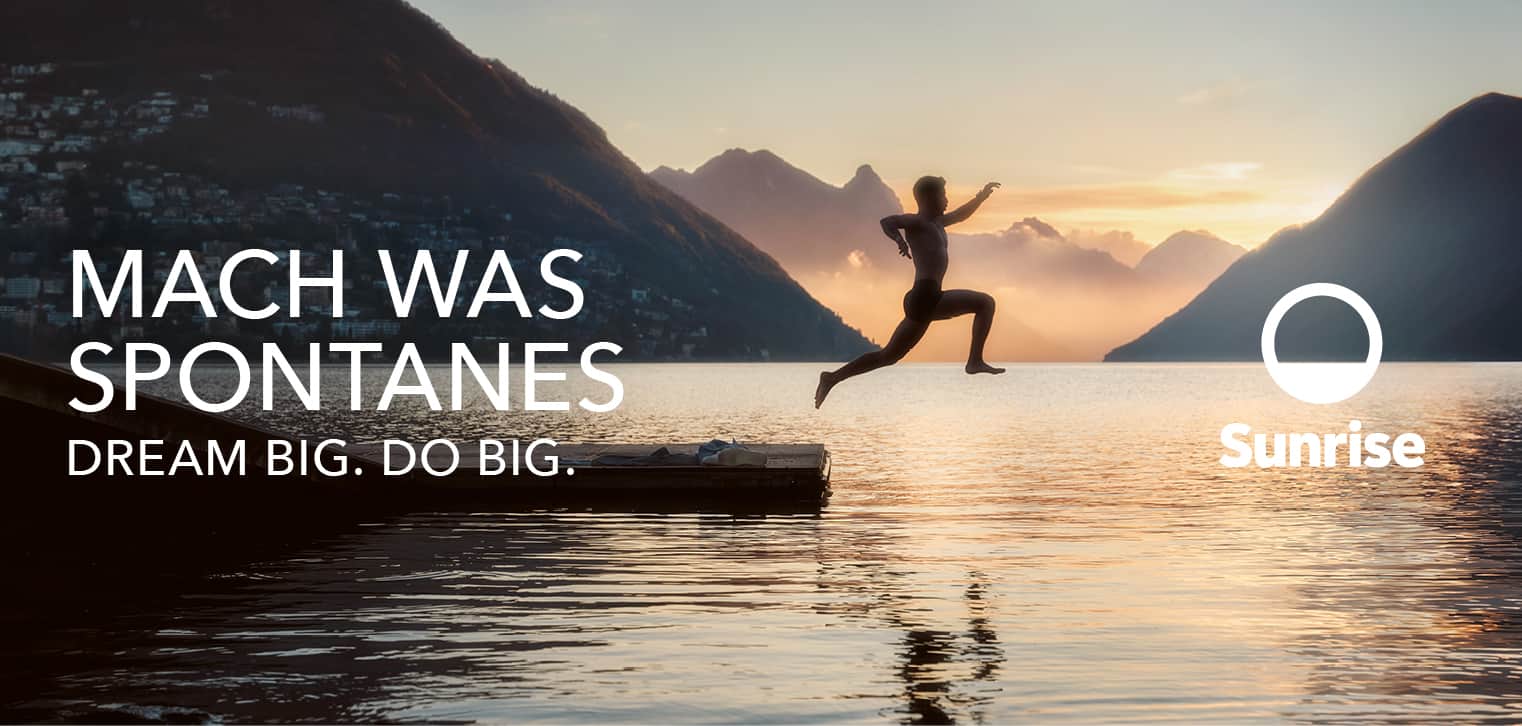
The new key visual with the logo "Aurora".
The merger of Sunrise and UPC at the end of 2020 was the elephant wedding in the Swiss telecommunications industry. At that time, Liberty Global - the parent company of UPC - took over Sunrise. Nevertheless, the new Sunrise UPC company is now again primarily relying on Sunrise as its brand from May 23, 2022.

Farewell to the UPC brand

Existing UPC customers will continue to receive their existing products and services under the UPC brand. Step by step, however, these customers will also be migrated to the new Sunrise products, the management explained. The UPC brand will thus disappear in the longer term and will no longer be continued At least for the time being, however, the company will continue to be called Sunrise UPC rather than just Sunrise. "Should that change, then we will inform in due course," CEO Krause said.

New brand design from Thjnk

With the focus on Sunrise, the telecom group is also launching a repositioning including a new brand design - with a new symbol and new values - starting Monday. Thjnk Zurich is responsible for brand communication. The agency was able to prevail over the competition in a multi-stufigen pitch. The new brand identity was developed by London-based design and technology agency Rufus Leonard.

New claim "Dream big. Do big."

Sunrise wants to be more than just a telecommunications provider - the brand aims to inspire and encourage people to realize their dreams. Because with positive energy and networked solutions, anything is possible. This is also what the new brand claim with the wording "Dream big. Do big." is also intended to convey this. This attitude is reflected in the multi-story funnel campaign across all advertising media. A 60-second manifesto film deliberately celebrates the ups and downs of life. And shows people who stick to their dream and their big project, even when there are headwinds. People who stay positive, keep going and never give up - they are the ones who embody the attitude of Sunrise. They include ski star Marco Odermatt and tennis icon Roger Federer. The film is accompanied musically by a cover version of the Police song "Every little thing she does is magic", interpreted by Sleeping at last.

Appeal externally and internally

The new brand claim and the inviting messages are not only directed at Sunrise's customers, but explicitly at all employees as well. "Especially after such a large merger, it is important that all employees can build on a common vision and mission," says Andreas Caluori, Senior Director Brand & Marcoms at Sunrise.

Rebranding from London

Award-winning London-based design and technology agency Rufus Leonard has created a complete redesign for the revised positioning. This includes a new brand identity, the animated new logo, the "Aurora" which resembles a sunrise and is always placed on a horizon line, the definition of the imagery, co-branding principles, brand guidelines, POS concept as well as icons.

UPC brand is buried

Existing UPC customers will continue to receive their existing products and services under the UPC brand. Step by step, however, these customers will also be migrated to the new Sunrise products, the management explained. The UPC brand will therefore disappear in the longer term and will no longer be continued. At least for the time being, however, the company will continue to be called Sunrise UPC rather than just Sunrise. "Should this change, we will inform you in due course," said CEO Krause. "We have reached the most important milestone in the integration of Sunrise UPC", CEO André Krause is quoted as saying in the communiqué on the changes. At the press conference, he added: "We have trained hard and built up muscles in recent years." The company is now ready for the future.

New Up subscription family

Under the name "Sunrise Up", Sunrise UPC is also launching the first integrated subscriptions that rely on the Sunrise brand. The principle is simple: if customers combine mobile communications, Internet and TV, they receive additional discounts. Depending on the choice, they amount to between CHF 20 and CHF 100 per month.

Partnership with Netflix

Meanwhile, Sunrise has entered into a partnership with the streaming provider Netflix for its TV service. As a result, customers will receive the US provider's movie and series offerings in a combined rate with the more expensive packages; a separate subscription is no longer necessary. In addition, Sunrise UPC has also teamed up with CH Media for streaming. The Swiss streaming service Oneplus from the Aargau media company is included in most TV subscriptions in its Sunrise edition.

Positioning in the higher price segment

With "Sunrise Up", the Group clearly wants to position itself in the higher price segment - and thus compete with the top dog Swisscom. The more price-sensitive customers, on the other hand, are to be reached with the Yallo brand. This was recently expanded into a fully-fledged telecoms provider with TV, mobile telephony and Internet. Its offering is therefore primarily aimed at Swisscom's low-cost Wingo brand or Salt's products. (sda/csi) Sunrise Sunrise Sunrise
Responsible at Sunrise UPC: Andreas Caluori (Senior Director Brand Development and Consumer Marketing), Anna Leutar (Head of ATL & Brand Campaigning), Andreas Jäggi (Marketing Manager), Graziella Gut (Brand Manager). Responsible at Thjnk Zurich: Alexander Jaggy, Pablo Schencke (GF Creation), Lukas Amgwerd, Anna-Fiona Geller, Johannes Gorsboth (Text), Lukas Frischknecht, Mieke Haase, Alexander Müsgens, Fabian Esslinger, Silvia Meierhofer, Raymi Mendoza, Leorah Uhricek, Jozy Jeanguenin, Stefan Kaetz, Felix Hackmann (Art Direction), Gordon Nemitz (GF Strategy) Fabienne Peyer (Strategy), Andrea Bison (GF Consulting) Claudia Ziltener, Michaela Bossard, Cornelia Nünlist, Jennifer Vogel, Linda Zaugg, Marcella Corti, Jochen Hennecke (Consulting) Thomas Nabbefeld, Axel Doepner, Laura Früchtenicht (FFF), Marc Seibert, Guido Block (Thjnk 24/7). External partners: Film: Stories with William Armstrong (Director), Cezary Zacherewicz (DoP), Michèle Seligmann (Executive Producer ), Jürgen Krause (Producer), Karina Kirschner (Line Producer ), Edoardo Moruzzi (Head of Postproduction), Peter Scherz delighted gmbh (Art Department CH), Birdviewpicture GmbH (Drone), Ester de Udaeta (Producer Spain Western), Iain Whitewright (Editor), Paul Yacono The Mill, Los Angeles (Color Grading), Denis Kretz (VFX), Jingle Jungle Tonstudios (Sound Design Manifestofilm / Audiopostproduction). Fotografie: David Daub (Wildfoxrunning and Lina Baumann), Tina Luther (Ströver). Responsible branding agency: Rufus Leonard (Neil Svensen, Carlo D'Alanno, Natalie Bennett, Rita Branco, Philippa Todhunter, Richard Warren, Carolyn Cox, Barbora Breckova) Responsible media agencies: Mediatonic: Marco Rose, David Hoesli, Cédric Zwicky. Sir Mary: Kevin Schälchlin (Media Consultant), Marion Nicolaus (Head of Media Operations & Intelligence), Eticus Rozas (AdTech & Data Manager), Fabian Habisreutinger (Strategy Director Media). Implementation: RTK

Customer-friendly service culture: 10 tips

Good companies offer good customer service. Top companies, on the other hand, make it part of their DNA. This is not always easy. But with targeted measures, amazing successes can be achieved for the company, the employees and - most importantly - for the customers. A guest article by David Evans.

Top companies, on the other hand, make service culture part of their DNA. (Source: Pexels)
If you as a manager want to improve your customer service, you should first establish a corresponding corporate culture: a holistic concept in which people are at the center of organizational processes. This is not easy. But the following ten tips can support you in your endeavor.

1. formulate a mission statement

Your mission statement should reflect the company's core values with regard to customer service. It should be short enough to be memorable - but long enough to be meaningful. Write your mission statement in an understandable and impactful way so that all employees grasp the essence of the intended changes.

2. develop a corporate mission statement

Not everyone realizes what good customer service looks like on the first day they start their business. For that, you need to be proactive. It's easier for your staff if they can use a mission statement - a longer version of your mission statement - as a guide. Formulate this mission statement so succinctly that it could be printed on a card and pocketed.

3. focus on personal responsibility

For a contact center to work efficiently, employees should be empowered to act. Make sure that your managers explicitly point this out to them and support them in doing so. Repeatedly bring up the principle of empowerment in your training courses and have it confirmed by managers. Demonstrate this attitude by recognizing and rewarding employees who show initiative. To ensure that empowerment is not just lip service, you need to communicate one thing clearly: Every employee has the right (after a certain training period, of course) to make their own decisions, even if they turn out to be costly. This is an important part of the learning process and the most important operational point you need to focus on when creating a service culture.

4. consider personality as the most important hiring criterion

To keep it short: When interviewing candidates, place more emphasis on certain personality traits of the candidate than on their experience (although professional experience should of course be appreciated and taken into account). When creating rosters, look for truly service-oriented employees and give them the tools they need to be empowered. After all, frontline managers are among the most important players in building and maintaining an optimal customer service culture.

5. involve the executives in your onboarding process

To establish a culture of service, involve the CEO or management directly in the training. There's nothing more effective than having executives present when you want to show that your company takes customer service seriously. In this way, you demonstrate that leadership has a direct interest in the performance and success opportunities of customer service employees. It also communicates the mission statement and company mission from the outset through the executive level.

6. start each shift with a standup meeting

Whether you call it a daily huddle, stand-up meeting or team meeting, a recap of key service principles at the start of a shift is a great way to get employees in the mood for the day. This ritual can become a catalyst for your service culture, especially if employees are allowed to take turns leading the meeting. On the one hand, it serves as a direct exchange and consolidation of expertise across the entire group; on the other hand, it offers employees the opportunity to develop leadership skills. A daily reminder of the principles of customer service is an excellent way of establishing service optimization strategies throughout the company. It fosters a sense of togetherness and morale among those on whom success directly depends: the agents who are in direct contact with the customer.

7. avoid management that is remote from employees

Employee proximity is another important aspect of creating a customer service culture. If a manager hides in his office, he misses countless opportunities to support his team and the service culture. And that brings us back to hiring criteria: Make sure the right people are in the right positions. This will ensure that your managers are approachable and happy to help.

8. revise your customer service trainings

Training is not necessarily considered relevant to a company's culture. But this is not true of a customer service culture. Service employees should absolutely learn the rules, processes, and touchpoints that make up their day-to-day operations. Make them aware of the many ways your company caters to the customer. If you take the time to select top candidates, you should also invest in the best possible training.

9. eliminate the responsibility thinking

"Not my job" - banishing such phrases from the minds of employees and managers must be a concern for every company with customer service ambitions. Everyone should be prepared to pitch in at peak times. A lateral approach solves practical problems, boosts morale and clearly shows all employees that everyone in the company is working towards the same common goal.

10. encourage collaborative thinking

Encourage all departments to work together to find the reasons for customer service breakdowns and ways to avoid them in the future. This not only leads to better results, but also benefits the corporate culture - because it shows what is valued in your company. Remember: acting responsibly and making a genuine effort to learn from past mistakes are the cornerstones of any customer service culture. If you take these ten pieces of advice to heart, you will be well on the way to creating a service culture that will benefit your company and your customers in the long term. Author: David Evans is Head of Product Management at Vonage. He has more than 20 years of experience in Innovative Software and over 12 years of product management experience. With his team at Vonage, Evans takes a customer-centric approach to product development and is always looking for new ways brands can connect with their customers to drive loyalty and growth.

This article originally appeared on m-q.ch - https://www.m-q.ch/de/kundenfreundliche-servicekultur-10-tipps/

Four books that might interest you

The YouTube Formula How to decode the algorithm and develop a revenue-generating content strategy. Author: Derral Eves Publisher: Wiley-VCH, 2022 Pages: 385 ISBN: 9783527510962 YouTube offers the opportunity to reach a large audience around the world and make a lot of money. However, it is not enough to shoot and upload a video. Anyone who wants to be on [...]

BooksThe YouTube formula How to decipher the algorithm and develop a revenue-generating content strategy.

  • Author: Derral Eves
  • Publisher: Wiley-VCH, 2022
  • Pages: 385
  • ISBN: 9783527510962
YouTube offers the opportunity to reach a large audience around the world and earn a lot of money. However, shooting and uploading a video is not enough. Those who get involved with the platform and know how to read its algorithms will have more success. It's not witchcraft: in the end, it all depends on how well you cater to your target audience. YouTube expert Derral Eves shares his insights and reveals many practical tips. Even though he talks at length, he makes you want to get started with your next video clip. Books Basic knowledge event management
  • Author: Dieter Jäger
  • Publisher: A. Francke Verlag, 2021
  • Pages: 244
  • ISBN: 97838256814
Events are not only expo and Olympic Games, but also party conferences, congresses or product presentations. Whether large or small, events need to be well planned and organized. Dieter Jäger's book conveys the basics and concepts of successful event planning. Sometimes it could go into more depth, at other points it is a bit too textbook-like. However, it is a good starting point for an initial overview and as an introduction to special issues - for example, the topic of corporate social responsibility or sustainability in the event industry. Books Lean Project Management Apply hybrid methods to add value.
  • Author: Claus Hüsselmann
  • Publisher: Schäffer-Poeschel, 2021
  • Pages: 298
  • ISBN: 9783791052342
Classic project management works where it is still possible to make long-term plans. In today's world, however, this is rarely the case. Agile project management compensates for this weakness with the greatest possible flexibility. According to Claus Hüsselmann, it is even better to incorporate the basic idea of lean production: avoid all waste. The three ways of thinking, i.e. classic project management, agile and lean project management, can be combined in a hybrid way, even within a project. The book gets a point deduction because it focuses almost exclusively on terms and rules and too little on practice. BooksThe 44 pitfalls of digitization ... and how we all avoid them.
  • Author: Nicole Gaiziunas
  • Publisher: Haufe Verlag, 2021
  • Pages: 215
  • ISBN: 9783648156438
For many, it's a familiar scenario: the digital strategy is in place and numerous measures have been adopted. The discussion about the necessary cultural change alone took up what felt like an entire week of meetings. And then? Little or nothing happens. Works councils stonewall, superiors delegate, subordinates duck away. The digitalizers have jumped as a tiger and landed as a bedside rug. Nicole Gaiziunas explains in a clear and entertaining way how companies can avoid the most treacherous digitization traps, communicate preventively, and nip potential crises in the bud.Books
get_footer();