
Swiss insolvencies reach historic record

Global credit insurer Allianz Trade is forecasting around 14,000 corporate insolvencies in Switzerland in 2026 - a new all-time negative record. The Middle East conflict is exacerbating the situation and driving global bankruptcies to a five-year high.


Switzerland expects 14,000 insolvencies, a historic negative record. Source: zvg
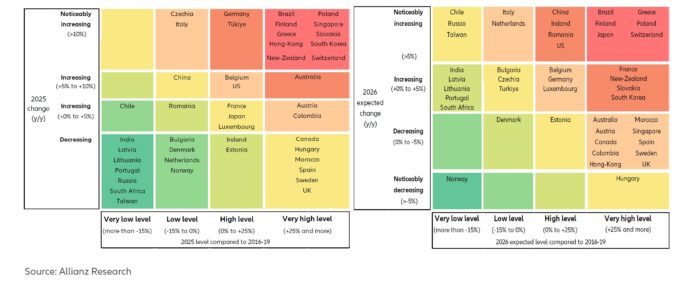
Global Heat Map: Where in the world is the greatest threat of insolvency? Switzerland alone expects 14,000 insolvencies, an all-time negative record. Source: Allianz Research

Switzerland is facing an unprecedented rise in corporate insolvencies. According to the latest global insolvency report from Allianz Trade, the world's leading credit insurer, around 14,000 insolvencies are expected in Switzerland in 2026. This represents the sixth consecutive increase, twice as many cases as in 2022 and almost three times as many as the pre-pandemic average.

New insolvency system as a key driver

A decisive factor in this massive increase is the new Swiss insolvency system, which came into force on January 1, 2025. With the repeal of paragraphs 1 and 1bis of Article 43 of the Federal Debt Enforcement and Bankruptcy Act (SchKG), debts under public law - including VAT, taxes and social security contributions - can now lead directly to the bankruptcy of a company entered in the commercial register, instead of being pursued through the seizure procedure as was previously the case. All registered companies and legal structures are affected by this reform, including self-employed persons.

Jan Möllmann, CEO of Allianz Trade in Switzerland, assesses the situation as follows: «In addition to the new insolvency system, the below-average economic outlook and growth forecasts, which have been revised downwards due to higher energy prices and global uncertainties, are also contributing to the negative trend. We currently expect the increase in insolvencies to be +20 % in 2026 - after +38 % in 2024 and +17 % in 2023 - before normalizing from 2027 (-3 %).»

Middle East conflict exacerbates global insolvency situation

There are also signs of a significant deterioration internationally. The crisis in the Middle East has increased volatility on the energy markets, made transport costs more expensive and destabilized global supply chains. Allianz Trade expects corporate insolvencies worldwide to rise by 6 % in 2026 - for the fifth time in a row. Before the conflict, the forecast was +3 %.

Aylin Somersan Coqui, CEO of Allianz Trade, comments: «This situation is driving up costs along global value chains, from agriculture and food to manufacturing, healthcare and technology. It is also exacerbating the pressure on energy-intensive sectors such as transportation, chemicals and metals. The combination of weaker demand, rising input costs and tight financial conditions is weighing on companies with weak pricing power, low margins, high debt or structurally increased working capital requirements. Compared to our pre-crisis forecast, the direct damage of the Middle East conflict will mean 7,000 additional corporate insolvencies worldwide in 2026 and 7,900 in 2027.»
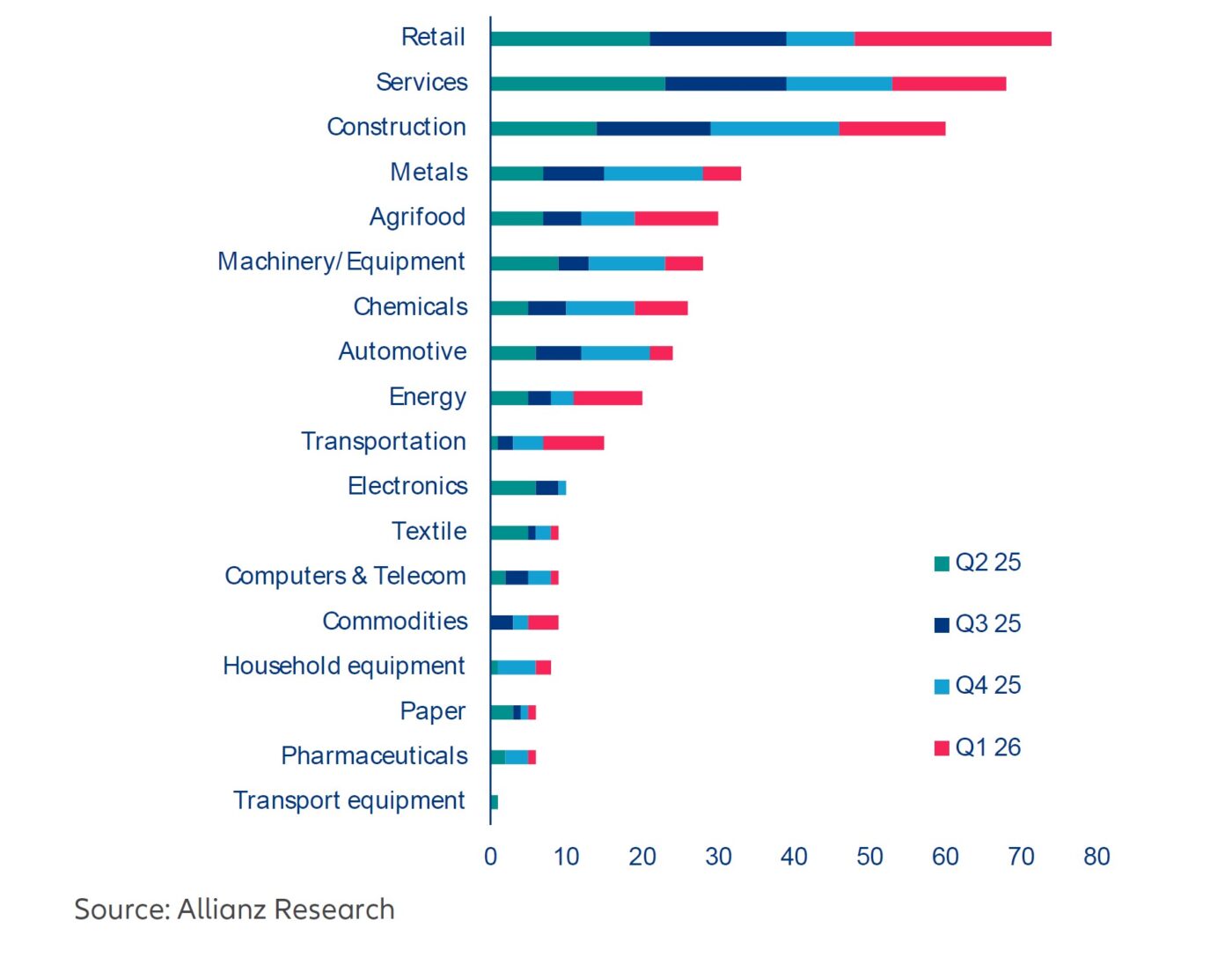
Major insolvencies, quarterly figures, by sector, worldwide. Source: Allianz Research

Worst case: escalation would further exacerbate the situation

If the Strait of Hormuz remains blocked in the longer term, the consequences could be significantly exacerbated by prolonged supply disruptions for oil and gas as well as other commodities such as fertilizers and helium. Maxime Lemerle, lead analyst for insolvency research at Allianz Trade, warns: «A prolonged and widespread escalation would result in global insolvencies increasing by 10 % in 2026 and 3 % in 2027. This would mean around 4100 additional insolvencies in the US and 10,500 in Western Europe in the period 2026-2027.’

Millions of jobs at risk

The predicted increase in global corporate insolvencies of 6 % in 2026 will also put jobs under pressure. Allianz Trade estimates that around 2.2 million jobs would be directly at risk - 94,000 more than in the previous year. According to Lemerle, the construction, retail and services sectors would be particularly affected. Europe leads the global statistics with 1.3 million potentially affected jobs. Western Europe and North America are both likely to record a 12-year high. Overall, the jobs threatened by bankruptcies could account for around 6 % of the total number of unemployed in the US and Europe.
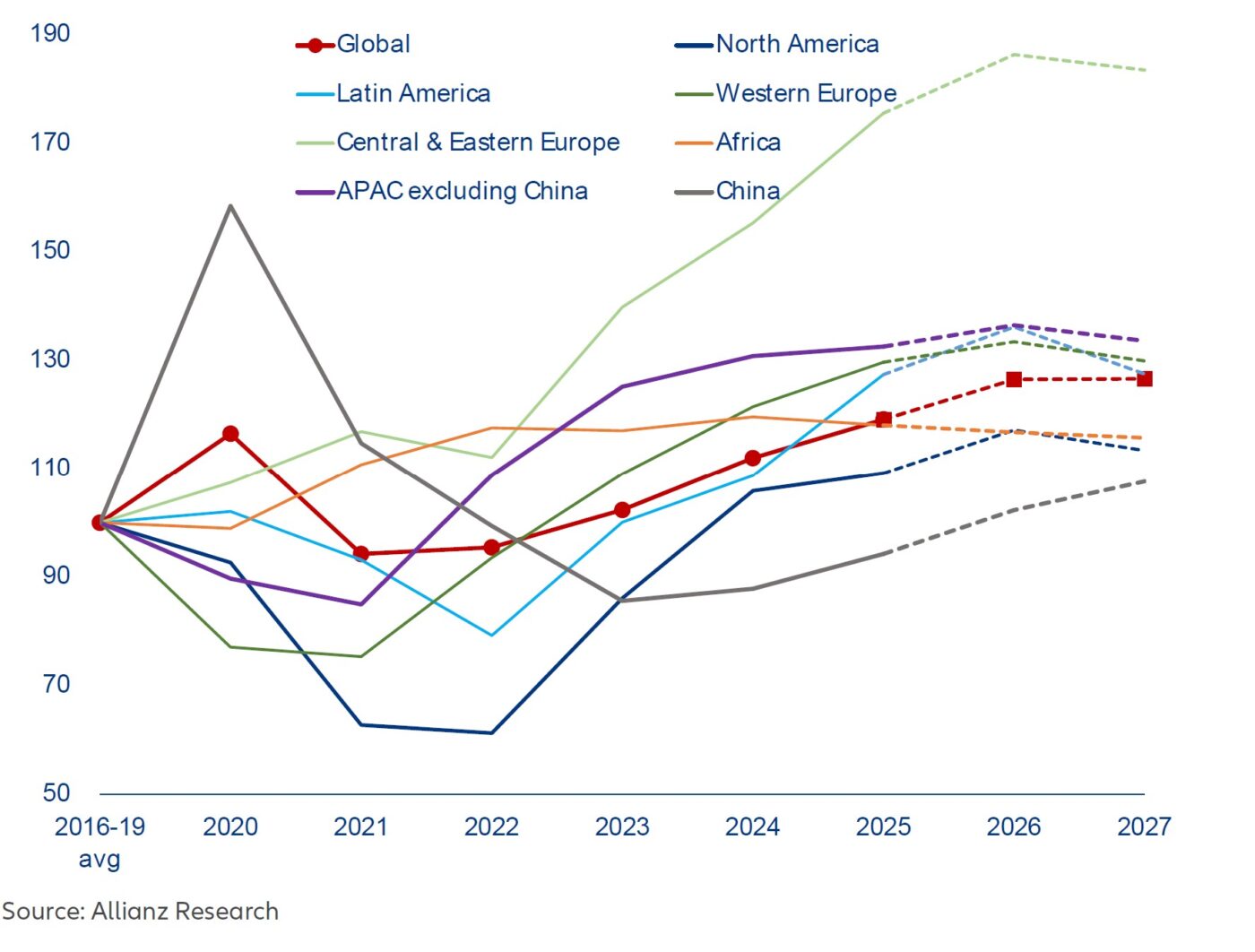
Global and regional insolvency indices, annual level, base 100: average 2016-2019. Source: Allianz Research

Stabilization not expected until 2027

Allianz Trade expects a stabilization at a high level globally in 2027 - a slight decline had been forecast before the Middle East conflict. In Switzerland, a normalization is expected from 2027, with a decline in insolvency cases of an estimated 3 %. Until then, the situation will remain challenging for many companies - especially SMEs.
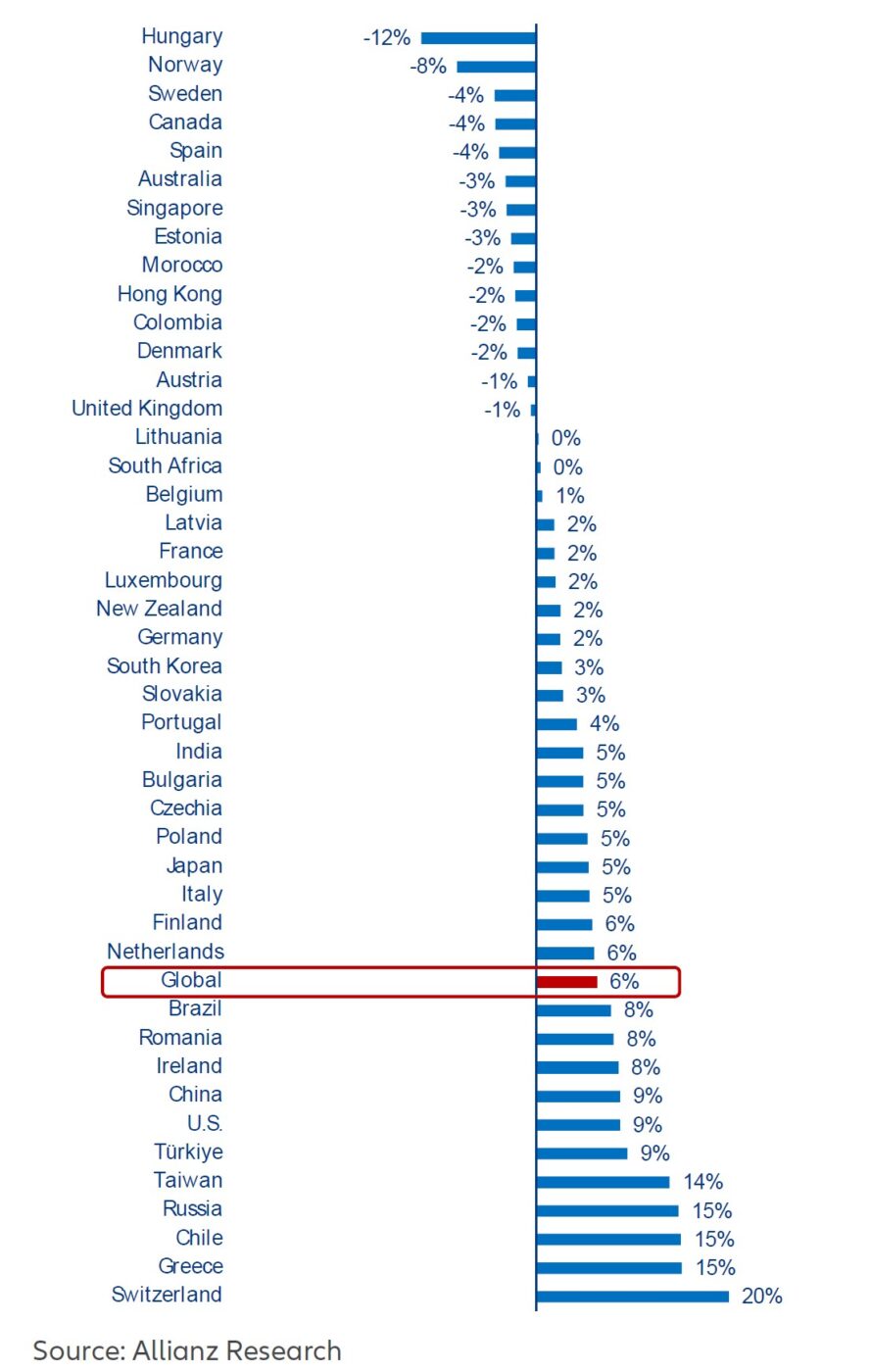
Insolvencies 2026, annual change in %. Source: Allianz Research

Source: Alliance Trade

The most sought-after apprenticeships in 2026

Commercial clerk EFZ remains by far the most sought-after apprenticeship in Switzerland. An evaluation of the search queries on yousty.ch shows: The ranking is stable, while retail trade, IT and logistics are competing for the places behind.

Commercial apprenticeships are still at the top of the popularity scale. (Symbolic image; Depositphotos.com)

Apprenticeships are highly valued in Switzerland - this is confirmed by SERI's job barometer: in summer 2025, 50 % of all school leavers opted for basic vocational training. An evaluation of the most sought-after apprenticeships in 2026, based on the search queries on yousty.ch in German-speaking Switzerland, shows a stable picture with few shifts.

Commercial apprenticeship undisputedly at the top

The occupation of commercial clerk EFZ is still by far the most sought-after apprenticeship. Out of a total of around 5 million searches, 1 million were for this occupation alone. The cantons of Neuchâtel (5.0 % below the Swiss average), Nidwalden (-4.3 %) and Geneva (-3.3 %) have the lowest proportion of searches for commercial apprenticeships.

Retail and IT professions follow directly behind commercial apprenticeships. Compared to the previous year, these two areas - together with logistics and drawing - have moved up or down slightly in the ranking. All other professions in the top 10 have retained their exact positions from the previous year. There are no new entrants in the top 10.

Apprenticeship vacancies and regional differences

The vacancy barometer shows that 13 % of apprenticeships remained open in the last recruitment year. As of April 22, 2026, 12,696 apprenticeships are still advertised on yousty.ch.

In addition to the overarching trends, there are also regional differences: The occupation of care specialist EFZ (FaBe) is the least sought after in the central Swiss cantons of Zug, Schwyz and Nidwalden, while it is the most sought after in the western Swiss cantons of Geneva, Fribourg, Valais, Neuchâtel and Vaud. As in the previous year, the canton of Neuchâtel led the searches for the occupation of pharmacy specialist EFZ (formerly pharmaceutical assistant), followed by Fribourg and Valais. Demand for this occupation is lowest in the rural cantons of Obwalden, Uri, Zug, Appenzell Ausserrhoden, Lucerne and Schwyz.

Further information and current apprenticeships can be found at yousty.ch retrievable.

AI saves managers several hours per week

Artificial intelligence is noticeably shifting the productivity boundaries in management: the vast majority of managers save several working hours per week thanks to AI. The time savings are above average, especially in top management. This is shown by the latest «Expleo AI Pulse» study, which surveyed managers in Germany, the UK and France.

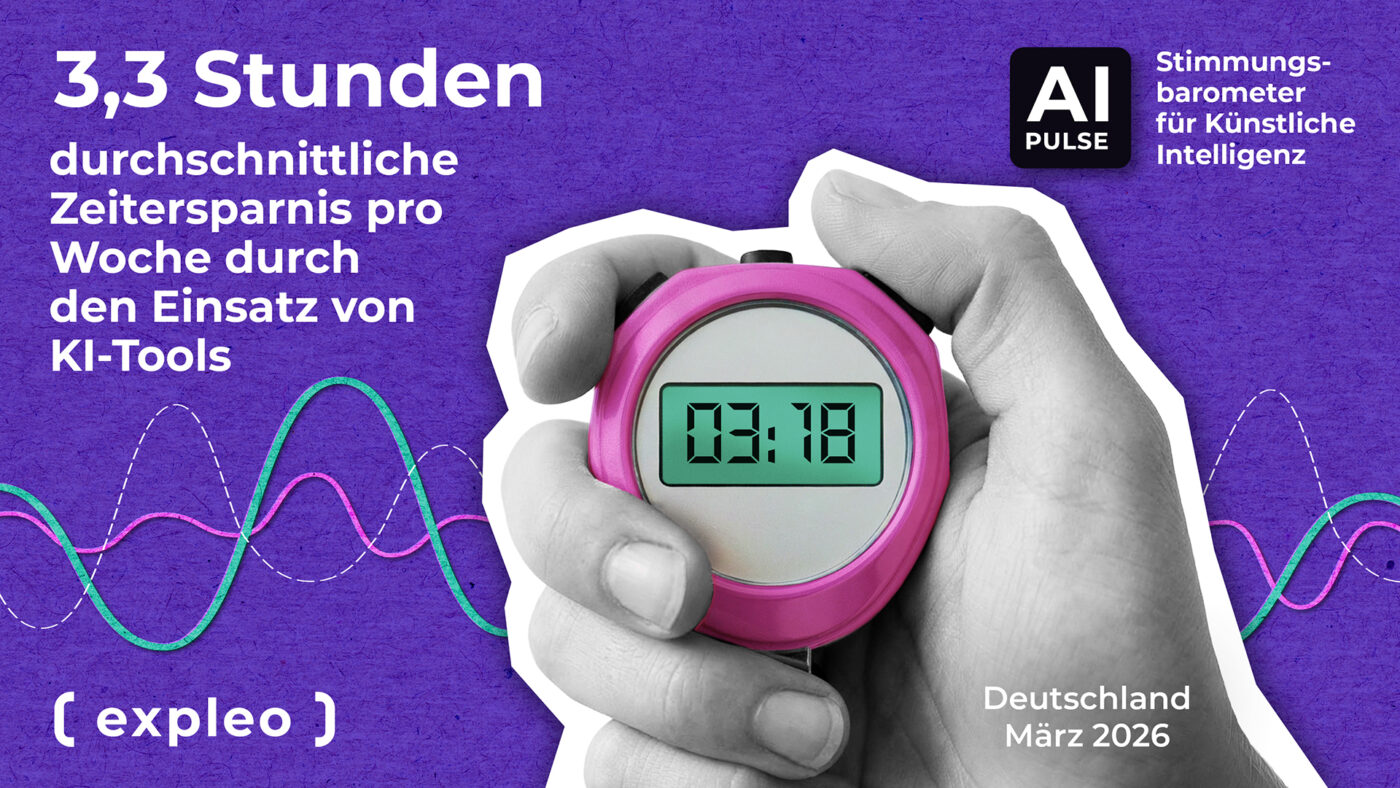
AI saves managers 3.3 hours per week. Source: zvg

Artificial intelligence (AI) has become firmly established in everyday office life and is having a noticeable impact. The vast majority of managers state that they gain valuable working time through the use of AI. Savings of three to four hours per week are mentioned most frequently. These are the findings of the latest edition of the monthly «Expleo AI Pulse» study, which was conducted in Germany, the UK and France in March 2026.

Productivity gains across Europe

Across Europe, 27% of the managers surveyed reported a weekly time saving of three to three and a half hours thanks to AI. A further 24 percent cite savings of one to two hours, and 13 percent report gains of five to six hours. The picture is remarkably consistent across different markets: in Germany, managers gain an average of 3.3 hours per week, in the UK 3.5 hours and in France and Ireland 3.2 hours each.

«AI is noticeably pushing the boundaries of productivity in management,» says Dr. Yusuf Erdogan, Country Lead Digital & Technology at Expleo Germany. «Managers are not only working faster, but also differently. They delegate more to systems, make more informed decisions and gain time for strategic issues. AI is therefore evolving from a simple tool to a critical work infrastructure - and this is precisely where its real leverage lies.»

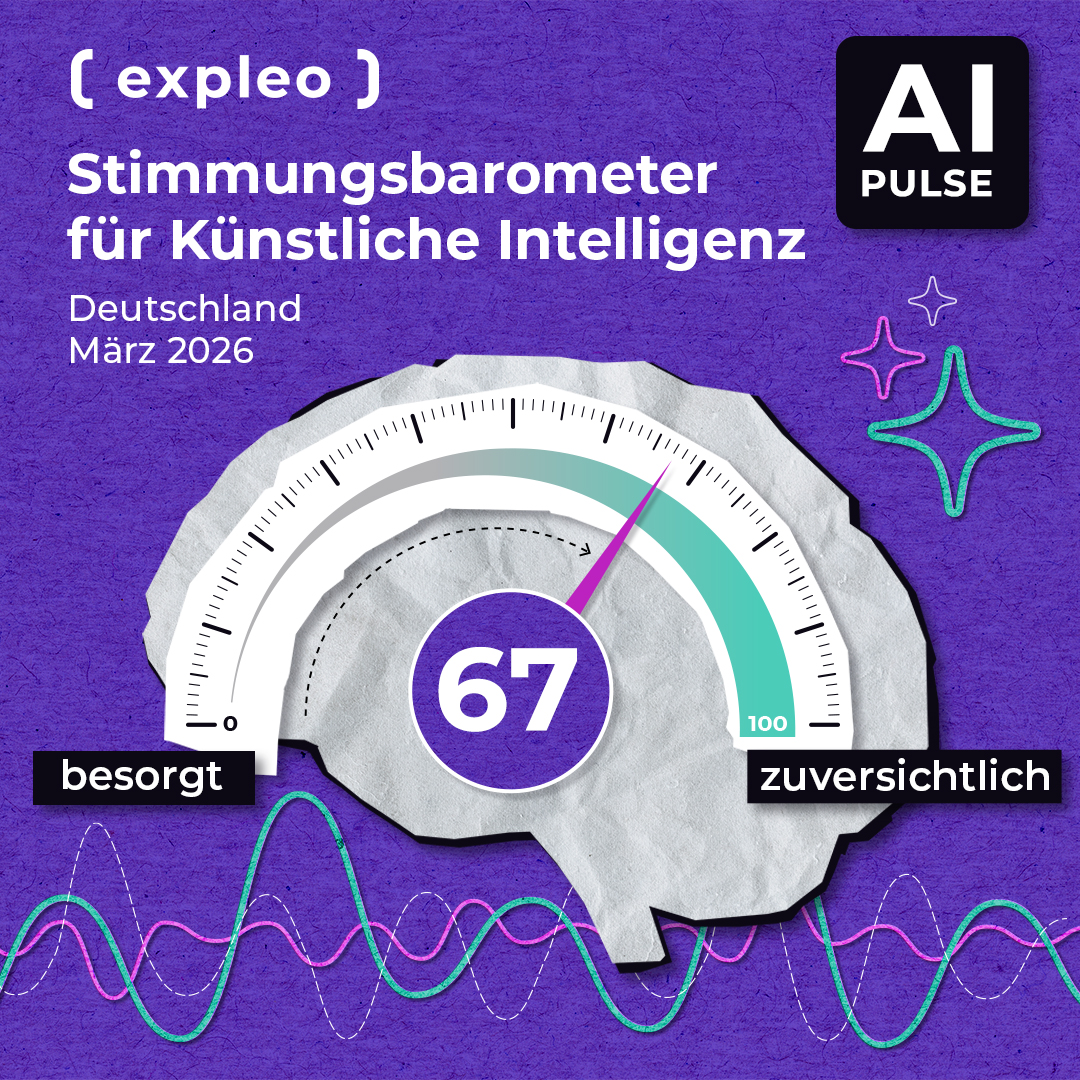
The majority of German managers are confident in AI. Source: zvg

Top management benefits particularly strongly

A closer look at the distribution shows: The time gains are above average, especially in top management. Owners and shareholders save an average of 4.8 hours per week, while C-level executives and directors save 3.6 hours. The main reason for this is the targeted use of AI for analyses, decision support and prioritization - in other words, in areas where efficiency gains have a direct impact.

At the same time, Erdogan points out that the picture is not completely uniform: «There is still a small group of managers who have only noticed minor effects or none at all. This shows that there is still considerable untapped potential in many organizations.»

From efficiency gains to structural change

According to Expleo, the current results mark just the beginning of a trend. More integrated applications and the increasing use of AI agents are likely to further increase the productivity effect. The efficiency gains perceived by the study participants are also reflected in the general sentiment: 71% of managers welcome the opportunities that AI opens up for their organization and 66% predominantly see benefits for companies as a whole.

«AI no longer just affects processes, but the way we work itself,» says Erdogan. «In an environment of increasing complexity, it helps to reduce routine tasks, eliminate disruptive factors and focus on value-adding decisions.»

Sentiment stable, debate shifts

The European AI Pulse Sentiment Score rose slightly to 66 points in March 2026 (previous month: 65 points). Germany remains in a good midfield position with 67 points. «The stable sentiment shows that AI has arrived in people's everyday lives,» comments Erdogan. «The debate is shifting from expectations to concrete results. Companies are increasingly measuring AI by its actual contribution to productivity - and this is precisely the decisive step towards sustainable use.»

The «Expleo AI Pulse» survey has been conducted monthly in Germany, the UK and France since August 2025. 200 managers are surveyed per country; the current edition is based on the eighth survey wave (field phase: March 2026). The study is conducted by the insights agency Opinium on behalf of Expleo.

For more information expleo.com.

Permanent adaptation instead of permanent stress

On the reasons why mental work ability becomes a management task.

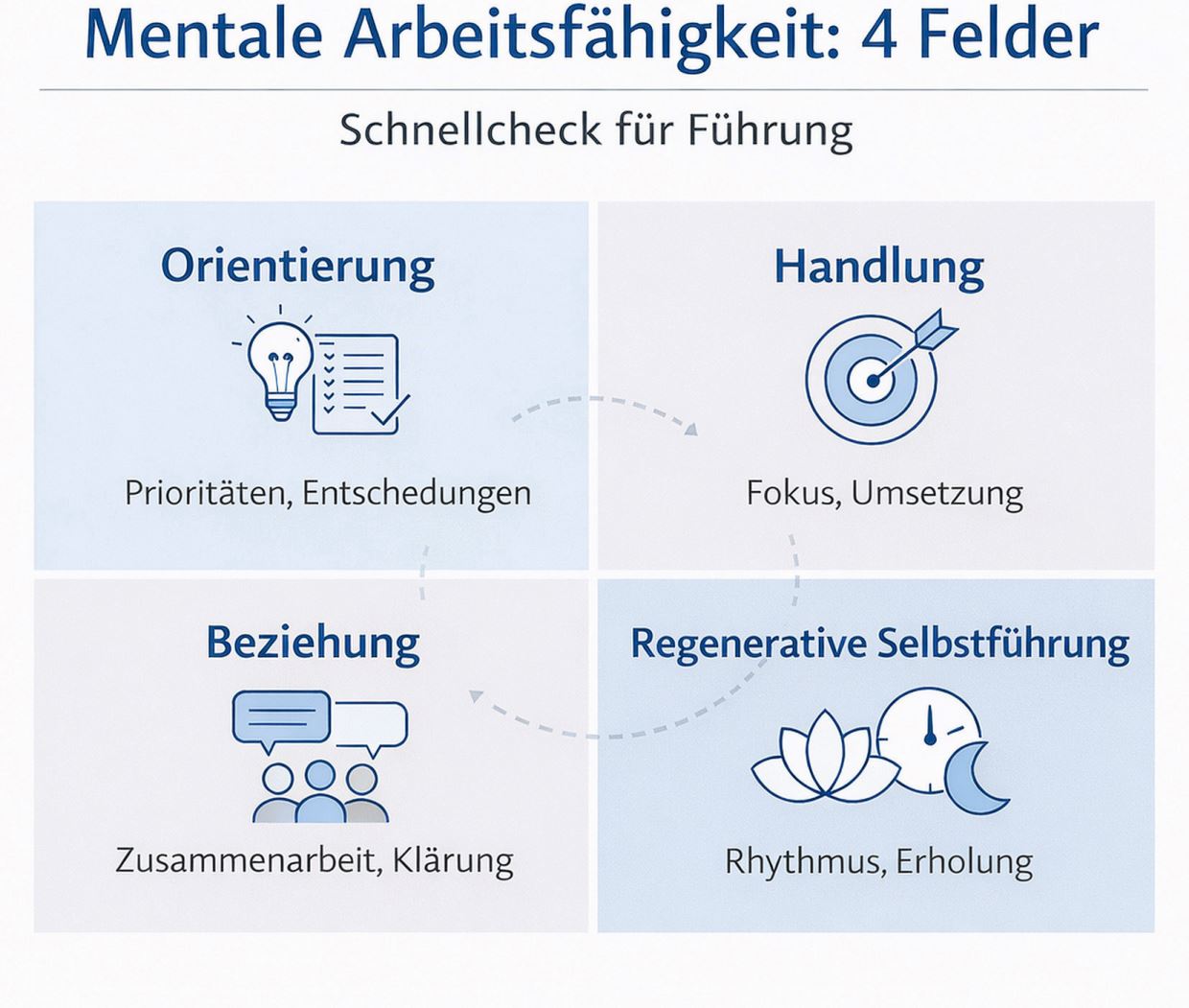
© Own representation

Belastung ist in vielen Unternehmen heute nicht mehr das Ergebnis einzelner Stressspitzen. Sie entsteht schleichend – durch eine neue Grundlogik: permanente Erreichbarkeit, hohe Taktung, ständige Unterbrechungen, Tool-Wechsel und ein Gefühl von «nie fertig». Wer das nur als individuelles Resilienzthema behandelt, greift zu kurz. Mentale Arbeitsfähigkeit ist zunehmend eine Führungs- und Gestaltungsaufgabe: Sie entscheidet über Qualität, Fehlerquote, Entscheidungsfähigkeit, Bindung und letztlich über die Stabilität des Systems.

Was sich in den letzten 20 Jahren verändert hat

Digitale Kommunikation hat Abläufe beschleunigt – und gleichzeitig den Arbeitsalltag fragmentiert. Viele Mitarbeitende arbeiten nicht mehr «an Aufgaben», sondern an einer Folge von Kontextwechseln: Chat, Mail, Meeting, Ticket, Rückfrage, Update. Dazu kommt Veränderungsdruck: neue Systeme, neue Prozesse, neue Rollen. Was früher durch Ruhezeiten, Wege oder klarere Übergänge abgefedert wurde, findet heute oft im gleichen Zeitfenster statt. Der Preis ist häufig nicht fehlender Wille, sondern sinkende Steuerungsfähigkeit: weniger Fokus, mehr Fehler, längere Entscheidungswege, mehr Reibung im Team.

Die neue Erschöpfung ist oft Daueranpassung

Erschöpfung entsteht in der Praxis häufig dort, wo Menschen dauerhaft zwischen Ansprüchen vermitteln müssen: Tempo vs. Qualität, Verfügbarkeit vs. Konzentration, Wachstum vs. Stabilität. Das Nervensystem bleibt «online», echte Regeneration wird zur Ausnahme. Viele kompensieren das lange – mit Disziplin, Mehrarbeit und innerem Druck. Bis Schlaf, Stimmung, Geduld und Leistungsfähigkeit kippen. Nicht weil Menschen schwächer sind, sondern weil das System dauerhaft mehr fordert, als es zurückgibt.

Woran Sie die Schieflage früh erkennen

  • Fokus bricht schneller ab, Fehler häufen sich trotz Kompetenz
  • Entscheide dauern länger, weil ständig neue Informationen dazukommen
  • Meetings werden mehr, Klarheit wird weniger
  • Konflikte drehen sich im Kreis (Schnittstellen, Zuständigkeiten, Tonfall)
  • Erholung wird zur Ablenkung: Man «schaltet ab», aber lädt nicht auf

Fünf Hebel, die Führung sofort beeinflussen kann

Prioritäten sichtbar machen:

Weniger «alles wichtig». Klare Top-3 pro Woche/Team, mit begründeten Stopps: Was lassen wir bewusst liegen, damit das Wesentliche gelingt? Entscheidend ist nicht nur das Setzen von Prioritäten, sondern das aktive Beenden von Nebenschauplätzen.

Fokus schützen:

Fokus entsteht nicht durch Appelle, sondern durch Bedingungen. Definieren Sie Fokusfenster ohne Meetings und ohne Chat-Pflichten. Vereinbaren Sie einfache Spielregeln: Unterbrechungen werden gebündelt (z.B. zwei definierte Antwortzeiten pro Tag), «Ping» ist kein Arbeitsauftrag, und komplexe Themen gehören nicht in Endlos-Chats.

Erreichbarkeit regeln:

Viele Teams leiden nicht an Arbeitsmenge, sondern an Reaktionsdruck. Klären Sie verbindlich: Was ist «normal» (Antwort am selben Tag), was ist «dringend» (innerhalb 2 Stunden), was ist «kritisch» (sofort, mit klarer Eskalationskette)? Wenn «sofort» zur Norm wird, sinkt die Konzentrationsfähigkeit aller.

Entscheidungen vereinfachen:

Unklare Entscheidungsrechte erzeugen Dauerschleifen. Klären Sie Rollen und Zuständigkeiten (wer entscheidet, wer berät, wer informiert wird). Kleine Entscheide dorthin verlagern, wo die Kompetenz sitzt – und bei grösseren Entscheiden klare Kriterien definieren. Das reduziert Reibung und entlastet Führung.

Rhythmus und Regeneration ernst nehmen:

Pausen, realistische Planung und Übergänge sind kein Luxus. Planen Sie bewusst «Puffer» ein, reduzieren Sie Dauer-Meetings, und etablieren Sie Team-Rhythmen (z.B. Wochenstart mit Prioritäten, Wochenabschluss mit Entlastung). Regeneration ist eine Führungsvariable – wie Qualität oder Budget.

Eine Diagnose-Logik, die in Minuten Klarheit schafft

In meiner Arbeit hat sich eine pragmatische Einordnung bewährt: Wo liegt der Engpass – in Orientierung (Klarheit), Handlung (Umsetzung), Beziehung (Zusammenarbeit) oder Regenerativer Selbstführung (Stabilität)? Diese vier Felder machen sichtbar, ob man an Symptomen arbeitet oder am Hebel. Oft reicht schon eine kurze Standortbestimmung im Führungskreis, um die richtigen Massnahmen zu wählen.

Conclusion

Mentale Arbeitsfähigkeit stärkt man nicht mit «Wohlfühlprogrammen», sondern mit guter Gestaltung: Klarheit, Fokus, sinnvolle Grenzen, saubere Entscheidungen und ein arbeitsfähiger Rhythmus. Wer Daueranpassung reduziert, gewinnt nicht nur Gesundheit – sondern Leistung, Qualität und Bindung.


Author

Andreas Gruber ist Speaker, systemischer Coach mit therapeutischem Hintergrund, Fachautor und Entwickler des Ergoarchipel®-Modells. Er begleitet Führungspersönlichkeiten und Unternehmen im deutschsprachigen Raum in Zeiten von Wandel, hoher Komplexität und mentaler Belastung – klar, praxisnah und wirksam.

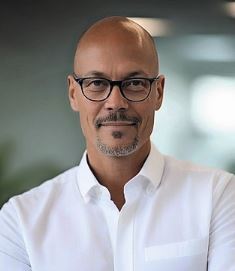
Andreas Gruber, systemischer Coach und Fachautor.

> www.ergoarchipel.ch

It flows out ... not just money ...

Hannes is a fictional character in an industrial company and «Hannes manages» is the title of the corresponding series of stories. Including subtle satire from and about the management floors ...

You need to be logged in to view this content. Please . Not a Member? Subscribe now!

How AI masters the balancing act in business travel management

The desire for flexibility in business travel has never been as pronounced as it is today. It is becoming a challenge for companies to meet these requirements and at the same time fulfill their duty of care. Artificial intelligence is helping to combine the two.

You need to be logged in to view this content. Please . Not a Member? Subscribe now!

«Water is a matter of the heart»

According to recent studies, large parts of the soil in Switzerland are contaminated with the «eternal chemicals» PFAS. They can also be found in drinking water. How can we get rid of these substances? The young Swiss company Oxyle has a solution.

You need to be logged in to view this content. Please . Not a Member? Subscribe now!

Training «à la française» - an alternative?

Switzerland sets the course early. The LFiZ in Zurich offers an alternative: education until 18, French. Matura, then choice of studies. More maturity for the decision.

You need to be logged in to view this content. Please . Not a Member? Subscribe now!

Transformation management in the age of AI

The development of artificial intelligence is changing the organizational structures of companies. Further education institutes such as KV Business School Zurich can accompany transformation projects and support their implementation.

You need to be logged in to view this content. Please . Not a Member? Subscribe now!

AI support on the construction site

Even highly trained professionals can't always know everything. So what happens when a technical or planning question arises on the construction site? Ceruniq, the tiler umbrella organization, has developed an AI-supported chatbot that can answer specific technical questions.

You need to be logged in to view this content. Please . Not a Member? Subscribe now!

Renewable energy or energy efficiency?

Renewables or efficiency? Companies faced with the choice: What first? Decide on load profile and tariffs. Our guide shows the optimal investment strategy!

You need to be logged in to view this content. Please . Not a Member? Subscribe now!
get_footer();