National Center of Excellence in Crisis Management begins work
Founded on November 26, 2025 as a joint initiative of the Higher Cadre Training of the Swiss Armed Forces (HKA) and the Lucerne School of Business (HSLU), the National Center of Excellence in Crisis Management (NCC) combines research, practice and leadership experience in crisis management. The association supports organizations in Switzerland through the exchange between experts, research work and the development of a Swiss Code of Conduct in Crisis Management so that crises can be identified at an early stage and managed professionally.
Editorial - March 31, 2026
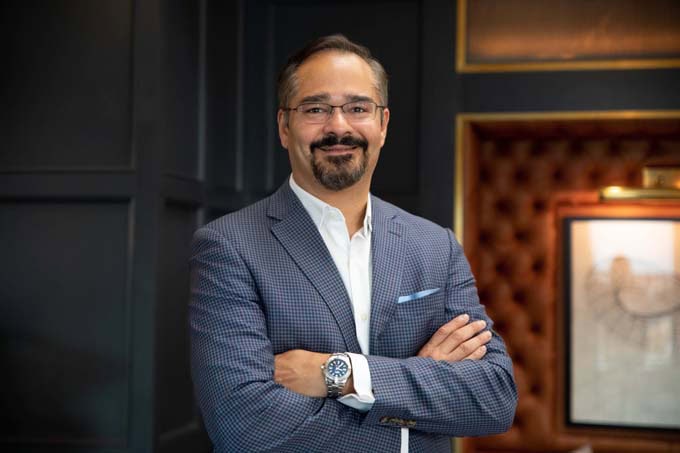
Founded on November 26, 2025, the National Center of Excellence in Crisis Management is now starting its work. (Image: zVg / LinkedIn)
At a time of increasing geopolitical tensions, cyberattacks and natural hazards, Switzerland's resilience is facing new challenges. The changed risk situation requires companies and institutions to continuously develop their crisis management capabilities. This also includes strengthening cooperation within the overall system of the economy and society in order to ensure Switzerland's security and stability in the long term. As a national platform, the National Center of Excellence in Crisis Management (NCC) aims to support companies and institutions in Switzerland in recognizing crises at an early stage, overcoming them and emerging stronger from them. The NCC strives to make a sustainable contribution to resilience, social stability and national security.
Public event «Crisis management in dialog»
The NCC association was founded on November 26, 2025. Today, on March 31, 2026, the NCC is holding its first symposium entitled «Crisis Management in Dialogue». Two experts, Marcus Griesser (SBB) and Erik Dinkel (University Hospital Zurich), will provide direct insights into the crisis practice of systemically important organizations. In addition, the participants will discuss current challenges such as the use of artificial intelligence or strengthening individual and organizational resilience in moderated workshops.
Swiss Code of Conduct in Crisis Management
At the heart of the NCC is the development and implementation of a «Swiss Code of Conduct in Crisis Management», which is intended to serve as a scientifically sound reference framework for crisis management in companies and institutions. The aim of this guideline is to translate the latest research findings and practical expertise into applicable procedures. The Swiss Code of Conduct in Crisis Management is being developed iteratively so that initial assessments can be carried out by 2028, followed by specific implementations for various sectors.
About the National Center of Excellence in Crisis Management
Organized as an association according to Art. 60 ff. ZGB, the NCC networks experts and specifically promotes the development and transfer of knowledge in the field of crisis management. The NCC is supported by a broad network. Current members and partners include
Strategic partners & founding members: Lucerne University of Applied Sciences and Arts (HSLU), Höhere Kaderausbildung der Armee (HKA), Alpiq AG, Bühler AG; Geneva Centre for Security Policy (GCSP), Schweizerische Radio- und Fernsehgesellschaft (SRG SSR), Schweizerisches Polizeiinstitut (SPI), Dr. Aldo C. Schellenberg, Guy Lachappelle and Alice Chalupny
Association members: Axpo Group, Avaloq Group AG, ecmt AG, Moodtalk AG, Noser Engineering / Noser Group, Pilatus Aircraft Ltd, suva, Zurich Insurance, Sarah Birolini, Claudia Buser, Fred Kessler, Paul Saxer and Ueli Schmocker
Swiss companies are missing out on potential in their ICS
Three out of four Swiss companies today have a formally implemented internal control system (ICS). A new study by BDO in collaboration with swissaxis shows: The structural anchoring is well advanced, but there is still potential for development in terms of integration, digitalization and management involvement.
Editorial - March 27, 2026
A clear view thanks to ICS: But many Swiss companies are still missing out on a lot of potential. (Symbolic image; zVg / BDO)
The majority of respondents rate their ICS positively. According to them, the greatest benefit lies in the clarity of processes and greater security, compliance with regulatory requirements, improved traceability and risk reduction. More than half of the participants rate the maturity level of their ICS as high or very high.
Strong focus on finances - operational risks only partially covered
Almost all of the companies surveyed cover the areas of finance and controlling with their ICS. Other areas such as IT, sales or marketing are integrated much less frequently.
Today, however, risks are increasingly arising along processes, digital interfaces and complex value chains, not just in accounting. This is precisely where there is significant development potential for many organizations.
Leadership determines effectiveness
Where management or the board of directors are actively involved in ICS issues, the system is much more frequently perceived as an integral part of the company's risk culture. By contrast, where management involvement remains low, the ICS tends to be seen as a compliance instrument.
Marc Sollberger, Head of Risk Advisory Services at BDO Switzerland, says: «An ICS is only fully effective if it is part of the management culture and is incorporated into strategic decisions.»
Christian Hafner, member of the Executive Board of swissaxis, also emphasizes the practical perspective: «Using what already exists and developing the impact of the ICS across the entire organization - in my view, that is the key lever. Many systems are formally in place, but are not used consistently as a management tool.»
Digitization remains a central construction site
Although many of those surveyed state that their ICS is partially digitalized or even see it as an integral part of digital processes, simple tools continue to dominate. Two thirds use Excel for documentation and control, one third even exclusively. Specialized software is only used in isolated cases.
Over the next five years, almost half of the companies plan to increase the digitalization and automation of controls. Other frequently mentioned goals include expanding risk management and early warning systems, training and raising employee awareness and greater integration of the ICS into existing business processes. Relief through automation and AI as well as better digital tools for control and documentation are now at the top of the wish list of the companies surveyed.
Public sector: other priorities
In the public sector, which is analyzed separately in the study, three quarters of organizations have an implemented ICS. A further 12 percent are in the process of introducing one.
In contrast to the private sector, however, the focus is less on digitalization. While respondents in the private sector cite the automation of controls as the most important strategic goal across all industries, public institutions primarily prioritize the expansion of risk management and early warning systems. Digitalization is only in second place here.
The public sector is also reluctant to use artificial intelligence. For the vast majority of respondents, AI is not an issue at all or only in theory. Active applications are hardly widespread so far.
Importance continues to grow
More than half of those surveyed expect the ICS to become even more important over the next five years. The drivers are increasing regulatory requirements, more complex business models and higher expectations of transparency.
Swiss companies therefore have a solid ICS basis. The next step lies in consistent further development. Away from isolated control and towards an integrated management tool.
A new study shows that browser-based threats now account for a growing proportion of security incidents. 68 percent of companies report an increase in browser-based attacks in the last two years. 85 percent are therefore increasing their investments in browser security solutions.
Editorial - March 26, 2026
Experts warn of increasing cyber threat directly from web browsers. (Image: Depositphotos.com)
Parallels, a global leader in virtualization and end-user computing solutions, has released the results of a new study by Omdia on browser management and security. The resulting report, «Browser Management and Security: Emerging Strategies, Requirements, and Success Factors,» reveals that browser security has become a top investment priority for enterprise IT and security teams.
Browser-based attacks on the rise
More than two out of three (68 percent) companies report an increase in browser-based attacks in the last two years. In addition, more than half (55 percent) say they have experienced a browser-related attack or security incident in the last 12 months. At the same time, the browser has become the primary interface for many enterprise applications, with 32 percent of users accessing enterprise applications from unmanaged devices. This significantly increases the potential attack surface for organizations.
Investments in browser security rise sharply
85 percent of organizations say they are increasing their investment in browser security solutions, with more than a third (36 percent) reporting a significant increase. Nearly two in three (62 percent) respondents rank browser security as a top five security priority, even in the face of competing challenges from AI, cloud expansion, supply chain risks and insider threats.
«We are seeing with many of our Parallels customers in Germany and the DACH region that the browser is increasingly replacing traditional workstations and is therefore becoming the security-critical linchpin. Companies today need solutions that don't just detect threats, but consistently prevent them - reliably, simply and directly at the access point,» says Markus Lang, Channel Director DACH at Parallels.
Protection through sandbox browser containers
Browser Isolation describes an approach that helps organizations secure access to SaaS applications by running browser sessions in isolated environments. With the introduction of an appropriate solution, users can run sandbox browser containers within their own security architecture to secure internal web apps, privately hosted applications, data centers and SaaS environments. By isolating web sessions and applying centralized policy controls, organizations can reduce the risk of phishing, malware and other web-based threats while ensuring seamless user access.
To address the browser security challenges highlighted in the Omdia survey, Parallels recently added Parallels Browser Isolation (PBI) Private Access for secure browsing to its portfolio of workspace solutions. Together, Parallels Browser Isolation and Parallels Browser Isolation Private Access provide organizations with flexible options for securing web access across SaaS, internal applications and modern hybrid environments.
«The browser has practically become the gateway for enterprise applications and data,» said Elena Koryakina, Chief Product and Technology Officer at Parallels. «Companies are realizing that traditional security measures alone are no longer enough and are investing in solutions that secure web activity, protect sensitive information and integrate seamlessly into their existing security architecture.»
Resilient companies keep practicing until reaction becomes routine
James Lee, Regional Director DACH at Horizon3.ai, explains why cyber resilience needs to be anchored in practice - through continuous testing and practice rather than just guidelines. In doing so, he echoes key statements made by co-founder and CEO Snehal Antani.
Editorial - March 17, 2026
Snehal Antani, founder and CEO of Horizon3.ai. (Image: zVg)
Cyber resilience is often presented as a new challenge created by modern threats. However, many of its fundamental principles were solved decades ago with disaster recovery. According to James Lee, Regional Director DACH at cybersecurity company Horizon3.ai, resilient companies are not created through static defense models, but through continuous practice and validation - an approach that Horizon3.ai co-founder and CEO Snehal Antani (see picture) also strongly advocates.
Lee sees a growing gap between policies on paper and actual operational readiness. Horizon3.ai, one of the leading providers in the field of offensive security, takes an approach in which companies review their own IT environments through continuous penetration testing to uncover potential vulnerabilities that could be exploited by cybercriminals. Instead of relying solely on passive protection mechanisms, companies can test their systems themselves in a controlled manner, eliminate vulnerabilities, check the effectiveness of the measures and repeat this process as often as required.
Parallels between cyber resilience and high availability
James Lee makes it clear that resilience is not an abstract concept, but a lived operational practice. He draws parallels with the high availability of IT systems, often referred to as business continuity. In high-availability IT environments, downtime is not an option. Disruptions are not only avoided, but deliberately simulated and tested. Systems are deliberately switched between data centers in order to test recovery processes under realistic conditions. This regular practice creates routine - well-rehearsed processes and clear responsibilities ensure that teams remain capable of acting in an emergency.
This principle of continuously practising real-life scenarios is in line with the principles of offensive security and reflects what Antani and Lee see as a contemporary response to escalating cyber threats. Cyber resilience should not be viewed purely as a tool or reporting issue, but as an operational challenge: systems fail, attackers exploit vulnerabilities - and companies must remain capable of acting under pressure. «Customers expect availability, regulators demand verifiability,» says Lee.
«Resilient companies practice until action becomes routine»
Lee emphasizes Antani's assessment that resilient companies should assume that something will go wrong - and actively look for vulnerabilities before attackers do. «Resilience means practicing response and recovery until it becomes routine. Many companies still rely on assumptions,» he explains. «Defense and recovery plans may look convincing on paper, but fail in practice if regular testing is lacking.»
In real incidents, operational disruptions and targeted attacks are often initially almost indistinguishable. The restoration of services cannot wait for the causes to be conclusively clarified. Disaster recovery and cybersecurity grow together here - what is needed are well-coordinated teams, not isolated concepts that have never been tested under pressure. As Antani emphasizes, the challenge rarely lies in the technology alone, but often in processes and leadership.
One penetration test per year is far too little
Both experts point out the limitations of traditional annual penetration tests - especially in dynamic IT environments. Risks change faster than an annual cycle can reflect: Updates occur weekly, configurations change continuously, cloud and identity architectures are constantly evolving. Without regular security validation, companies run the risk of making decisions based on outdated assumptions.
Lee therefore advocates continuous testing, closely interlinked with change processes. Regular pentests after patch cycles help teams to check whether measures are actually reducing risks. In this way, security evolves from a selective review to a continuous improvement process.
New phase of cyber security through artificial intelligence
According to Horizon3.ai, cyber security has entered a phase where speed is of the essence. AI-supported attacks significantly shorten response times and increase the pressure on companies. This makes it all the more important for teams to be able to fall back on practiced processes - instead of having to make ad hoc decisions under stress. For Lee, the consequence is clear: «Under pressure, teams fall back on what they have practiced - not on what they have planned. Continuous practice and consistent leadership determine how efficient a company really is in an emergency.»
Office noise is an underestimated cause of back pain
Phone calls, keyboard clatter and ventilation noise cause stress, which leads to tension and back pain. The Healthy Back Campaign recommends that companies create noise-reduced retreat areas with ergonomic equipment.
Editorial - March 17, 2026
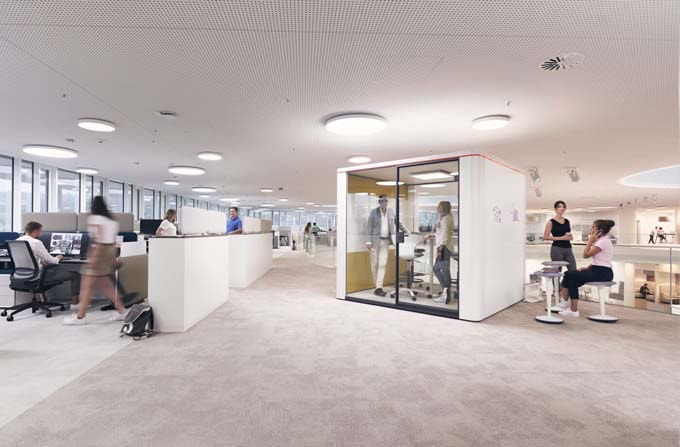
Acoustic booths with ergonomic equipment reduce noise pollution in the office and promote back health. (Source: zvg / Healthy Back Campaign)
Phone calls, keyboard clatter, ventilation noise: What sounds like a normal day at the office can actually cause back pain. The reason is not the noise itself, but the stress it causes. «Many people underestimate how much stress even seemingly harmless background noises can put the body under,» says Christian Terstappen, physiotherapist and expert at the German organization Aktion Gesunder Rücken (AGR) e. V. «The result is tense shoulders, a stiff neck and, in the long term, often back pain.»
For companies, this is increasingly becoming an issue of occupational health management: noise-reduced retreat areas in the office can help to reduce stress and enable concentrated work. The AGR certifies back-friendly office concepts with the AGR seal of approval following comprehensive testing by an independent panel of scientific experts.
Ergonomics in the workplace: why noise protection is a must
It is well known that noise can make you ill. However, the connection with back problems is often underestimated. Noises that the brain considers disturbing activate the stress system: the body releases cortisol, pulse and blood pressure rise and the muscles tense up. The neck and shoulders are particularly affected.
73 percent of employees in Germany suffer from neck pain. The situation in Switzerland is likely to be comparable. Source: zvg
A representative YouGov survey commissioned by AGR shows how common complaints are in everyday office life: 73% of employees in Germany suffer from neck pain. At the same time, the BIBB/BAuA Employee Survey 2024 shows that around a quarter of employees often work in noisy conditions, and more than half find this stressful.
«Noise protection is often underestimated in everyday office life,» says Christian Terstappen. «Yet it is just as much a part of ergonomics as a good chair or a height-adjustable desk.» It is therefore worthwhile for HR managers and OHM officers to incorporate the acoustic design of workplaces more strongly into prevention concepts.
Creating places of retreat: What employers should look out for
Open office concepts promote communication and teamwork, but at the same time increase noise pollution. Protected areas are therefore important for concentrated work, confidential phone calls or a short break. Acoustic booths can help here.
In addition to good sound insulation, such cabins should also be ergonomically equipped to promote employee health, according to AGR: Height-adjustable desks and active chairs encourage a change of posture, while good ventilation and sufficient lighting with daylight quality contribute to general well-being.
Terstappen, who advises companies on workplace health promotion, emphasizes: «Companies that invest in soundproof retreat areas should consider ergonomic equipment from the outset. If you have peace and quiet but sit badly, you've gained nothing.»
Three simple tips to combat noise stress in the office
Employees can also do something about noise stress at work themselves. Noise-canceling headphones can help to reduce disruptive background noise and work with greater concentration. If possible, phone calls or meetings should be moved to closed rooms. This reduces the noise level in the open-plan office for everyone.
Regular short exercise breaks help to reduce stress and loosen up tense muscles. «Just standing up briefly once an hour and going to an open window or outside the door makes a noticeable difference,» says physiotherapist and AGR expert Christian Terstappen.
Preview Hannover Messe: Decision intelligence in the factory
At Hannover Messe 2026, software manufacturer iTAC will be demonstrating how artificial intelligence combines production data and empirical knowledge. With the iTAC.Asset.Analyzer and the AI-supported chatbot iTAC.CATi, companies can make informed decisions faster - directly in the factory, without cloud dependency.
Editorial - March 16, 2026
iTAC brings decision intelligence to the factory with AI. Image source: iTAC Software AG (AI-generated)
Today's production companies have enormous amounts of data and extensive empirical knowledge at their disposal. However, much of this information remains unused in day-to-day production: Machines continuously supply data, but often lack the context to quickly draw the right conclusions. At the same time, valuable production knowledge is stored in documentation, IT systems or in the heads of employees - often fragmented and not immediately available.
At Hannover Messe 2026, iTAC (Hall 15, Stand E18) will be demonstrating how this gap can be closed with artificial intelligence. The special feature: iTAC combines production data and knowledge sources into a common decision-making basis - and enables AI analyses directly in the factory, without cloud dependency.
Combining data analysis and knowledge management
The pressure is growing to make production decisions faster and more informed. Ideally, actionable insights can be derived immediately from production data. At the same time, valuable production knowledge needs to be secured. A large part of this know-how is contained in the experience of employees or in distributed documentation. If this knowledge is not systematically made available, it is lost with personnel changes or organizational changes.
At the trade fair, iTAC will be demonstrating how production data can be analyzed in real time and used to make well-founded decisions. The iTAC.Asset.Analyzer, which combines and analyzes machine and process data from the entire production environment, plays a central role in this.
Transparency about machines, processes and performance
The solution enables real-time and historical analyses at machine, line and factory level. This gives managers a comprehensive overview of the status and performance development of production. Deviations or quality problems can be detected at an early stage and analyzed in a targeted manner.
AI-supported algorithms support the evaluation of large amounts of data and automatically identify anomalies in production processes. The results are visualized in clear dashboards and create a transparent basis for data-based decisions.
One particular advantage is the flexible integration of a wide variety of systems. Machines can be connected quickly regardless of manufacturer or standardization - even older or heterogeneous systems. This creates a holistic picture of the entire production environment - without lengthy integration projects or additional cloud infrastructures.
Practical application at electronics manufacturer Fideltronik
The use at electronics manufacturer Fideltronik shows how companies can benefit from this transparency. The company uses the iTAC.Asset.Analyzer to consolidate production data from various systems and better analyze the performance of its production.
«For us as an EMS service provider, real-time transparency is crucial. Since the introduction of iTAC.Asset.Analyzer, we have achieved a level of control over the status of our production that was previously not possible. We were particularly impressed by how quickly systems can be connected - even non-standardized stations such as testing or painting systems,» explains Marcin Wnęk, COO of Fideltronik.
Individually configurable dashboards help the company to standardize processes, improve cycle times and reduce unplanned downtimes.
AI-supported access to production and empirical knowledge
In addition to analyzing data, structured access to production knowledge is also becoming increasingly important. With iTAC.CATi (Context Agent for Technical Insight), iTAC presents an AI-supported platform that links documentation, instructions and production data in perspective.
The chatbot provides this knowledge directly in production and in real time. Employees can ask questions in natural language and receive precise, context-related answers based on existing information.
«Many companies have production knowledge, but it is not available centrally at all times. With CATi, we bring it directly to the store floor. We provide a shared knowledge context from which employees can immediately derive answers and recommendations for action,» explains Andreas Zerfas, VP Product Management at iTAC. «Our approach stands out from many others in that we combine production data and knowledge sources into a shared decision-making basis - with full data sovereignty.»
The platform uses locally operated AI models, knowledge graphs and edge computing so that analyses can be carried out directly in the production environment and sovereignty over the data is maintained.
Integrated portfolio for data-driven production
The solutions presented are part of the integrated iTAC portfolio for digital manufacturing. The iTAC.MOM.Suite supports companies in the planning, control and monitoring of production processes in real time.
Together with its subsidiaries Dualis and Accevo, iTAC will be demonstrating at the Hannover Messe how production planning, analysis and process control can work together seamlessly to enable end-to-end digital processes - for greater transparency, higher efficiency and future-proof, data-driven production. The three companies will be presenting the solutions from April 20 to 24, 2026 in Hall 15, Stand E18.
March 13 is World Sleep Day. Suva is reminding people how important good sleep is for safety in the workplace.
Editorial - March 13, 2026
Fatigue rapidly increases the risk of accidents - a short power nap can help. (Image: Depositphotos.com)
Go to World Sleep Day of March 13, 2026, Suva warns of the serious consequences of sleep deprivation in the workplace. According to the Swiss Accident Insurance Fund, around one in three people sleep poorly and one in ten even suffers from a chronic sleep disorder - with a noticeable impact on health and safety.
«Lack of sleep is serious for safety in the workplace,» says Inglina Keller, prevention advisor and health specialist at Suva. Tiredness restricts reaction times, concentration and motor skills. According to studies, people with chronic insomnia have a two to two-and-a-half times higher risk of work errors and accidents. Short lapses in attention can have serious consequences, particularly in occupations with a high risk potential. Fatigued employees are almost twice as likely to have an accident - in road traffic, the risk is even seven to eight times higher.
Lack of sleep is also costly in economic terms: anyone who sleeps less than six hours a night loses an average of seven working days a year due to illness or reduced performance. Even slight sleep deficits lead to significantly more days lost. In the long term, chronic sleep deprivation also increases the risk of mental and cardiovascular diseases.
To promote healthy sleep, Suva advises companies to clearly regulate availability and overtime, allow flexible working hours and encourage breaks and short power naps. Training courses on stress management and sleep hygiene also help. Individually, a regular sleep rhythm, avoiding screens and caffeine before going to bed and a quiet, dark and cool bedroom are recommended.
After all, a good night's sleep is not only important in private life - it makes a decisive contribution to safety and performance in everyday working life.
gfm Trend Conference 2026: Between AI fog and brand clarity
At the gfm Trend Conference 2026 in Zurich, it became clear just how much AI is already changing marketing. At the same time, the industry gathering also showed that brand, trust, creativity and clear use cases remain more important than ever, especially in the midst of the biggest tech noise.
Editorial - March 11, 2026
The 35th gfm Trend Conference at the AURA in Zurich marked a new beginning in several respects. For the first time, the event was hosted by the new gfm President, Prof. Marcus Schögel, who welcomed around 300 guests from marketing, advertising, agencies and academia and also provided a kind of conclusion at the end of the day. Many things are accelerating, many things are becoming more complex, said Schögel - but nothing simply disappears. This was precisely one of the strongest insights of this packed industry day: the new is coming with force, but this does not automatically make the old worthless.
Under the motto «The New Marketing Playbook», the conference posed the question of which disciplines count in marketing today - and how a CMO can survive in this mixed situation. The answers varied, but a common thread was unmistakable. AI is changing search behavior, production logic, decision-making processes and customer relationships. At the same time, however, it also became clear that classic strengths such as brand management, creativity, trust and genuine proximity are gaining new focus in the age of AI.
High tech, high touch: Marcus Schögel opens a new phase
Right from the start, Marcus Schögel gave the conference a tone that was neither alarmist nor nostalgic. Rather, he set the scene. Yes, technology is developing exponentially. Yes, new methods and new use cases are essential. But no, that doesn't mean you have to throw what you've learned overboard. On the contrary: precisely because everything is accelerating, we need orientation, methodology and a clear view of what remains.
The new gfm «President» Marcus Schögel during his opening speech.
His concluding remarks summed up this attitude succinctly. More will remain, more will be added and more will have to be dealt with at the same time. This is precisely why different methods and clearer priorities are needed. The term «use case», which Schögel explicitly emphasized at the end, almost became the leitmotif of the entire event: away from mere fascination with technology and towards concrete applicability.
Why real experiences are suddenly gaining value again
Stephan Balzer made it clear that the counter-movement to total digitalization was also visible on a day so strongly influenced by AI. The founder of TEDxBerlin spoke about trends in live communication - and hit a nerve. The more AI-generated content floods the market, the greater the longing for the real thing, for presence, for community, for experiences that cannot be replicated.
gfm Trend Conference - View of the audience
Balzer argued that live communication not only transports content, but also builds trust, creates emotional depth and gives brands the chance to present themselves authentically. With such formats, people don't just buy content, but the moment, the community and the memory of really being there. This also matched the atmosphere at AURA. From the moment coffee was served at 8.15 a.m., it was clear that this event wanted to be more than just an update day. It was a knowledge platform, meeting place and sounding board all in one.
«Trends in Live Communication» with Stephan Balzer, Founder TEDxBerlin
Culture marketing instead of marketing bullshit
Sebastian Kemmler delivered one of the most pointed contributions. His title «Who Wants to Have Sex with a Robot? Why Culture eats AI Marketing for Breakfast» was provocative, but by no means just for effect. Kemmler took aim at a discomfort that many associate with AI marketing: It can be produced quickly, cleanly and efficiently - and yet often comes across as cool, distant and surprisingly remote from people.
«Who Wants to Have Sex with a Robot? Why Culture eats AI Marketing for Breakfast»: Sebastian Kemmler
His thesis was that today's marketing must be thought of in three pillars: Product marketing, brand marketing and now culture marketing. The latter in particular is becoming increasingly important because the younger generation is increasingly decoding classic marketing as «marketing bullshit», but at the same time is responding very well to brands that are culturally relevant, docking in communities and becoming part of real conversations.
Culture marketing therefore does not stand for decorative zeitgeist gymnastics, but for a central area between attention and buying interest. It is about values, relevance, collaboration, creator culture and the question of what a brand actually stands for. Those who only explain products or claim brand values remain too shallow. Those who become culturally legible gain radiance.
Prof. Dr. Dennis Herhausen, Olaf Geuer, Philipp Skrabal
Swisscom shows why trust remains the toughest brand value
The presentation by Olaf Geuer, Group Head of Brand at Swisscom, was particularly practical. He spoke about brand management in the field of tension between technology and people - and impressively demonstrated why strong brands are not losing importance in the age of AI, but rather gaining it.
In recent months, Swisscom has worked intensively on its strategy, positioning and brand image, said Geuer. One of the starting points was an «emotional survey of Switzerland». The result: even in a country with a high level of stability and quality of life, uncertainty and the need for trust, proximity and confidence are on the rise. This is precisely where Swisscom sees its role as a tech and trust brand.
Brand quo vadis? Creative excellence as a differentiating factor: Olaf Geuer, Swisscom Group Head of Brand spoke on the gfm stage 2026
What was particularly interesting was how openly Geuer addressed the ambivalences of AI. On the one hand, a company like Swisscom has to embrace technological developments and make them productive. On the other hand, an AI children's book project, of all things, showed how quickly you can get into social debates about creative work, illustration professions and cultural sensitivity. The lesson from this was not to do without technology, but to put «human first». In other words: technology as an instrument, humanity as a point of reference.
Geuer also made it clear that the value of a brand lies not just in beautiful images, but in the trust it has built up. How else would it be possible to explain why Swisscom's price increases attract criticism but do not immediately lead to a massive loss of market share? The brand acts as a buffer here. And that is precisely why it remains king.
Philipp Skrabal and the comeback of the big idea
If one contribution defended the primacy of creativity against the uniformity of machine output, it was that of Philipp Skrabal, Partner and Chief Creative Officer at Farner Switzerland. His title «Creativity is a survival skill» was deliberately pointed - and therefore apt.
Skrabal did not advocate creative romanticism, but hard work to make a difference. Creativity does not arise incidentally, but from friction, feeding, discipline and the willingness to struggle. This is precisely where its relevance lies in the age of AI. Because machines mix patterns. Humans can break patterns.
Philipp Skrabal, Partner, Chief Creative Officer, Farner Switzerland
That was one of the strongest thoughts of the day. If everyone feeds the same tools with similar prompts, there is an increased risk of more and more of the same. But brands thrive on differentiation. Agencies do too. And people in their professions no less. The good old idea is therefore not a nostalgic accessory, but a survival strategy.
«Have a Break» Philipp Skrabal in conversation with Andrea Vetsch on the gfm stage.
Skrabal demonstrated this with examples that have stuck: with the legendary Blendtec case, in which a blender crushes golf balls, with KitKat as proof of how far a strong basic idea carries over decades, and with campaigns that precisely combine zeitgeist, humor and product truth. His message was clear: it is not the machine that overshadows creativity - but a good idea that still outshines almost everything else.
Doubt and imagination as a new discipline of thought
Mikael Krogerus and Roman Tschäppeler brought a different color to the day. Their contribution on rethinking seemed almost like an intellectual deceleration in the midst of tools, models and AI scenarios. At the same time, they got to the heart of many discussions with astonishing accuracy.
Her thesis: If you really want to rethink, you need imagination and doubt. In other words, the childlike courage to imagine the impossible and the scientific ability to question your own ideas. This dual movement - «What if?» and «Maybe I'm wrong» - proved to be highly relevant for marketing, which should not be seduced too quickly by the machine's first answers.
Three suggestions for rethinking: Mikael Krogerus & Roman Tschäppeler
Especially in times of generative systems, the opposite threatens: the first solution is there immediately, the imagination atrophies and so does doubt. Krogerus and Tschäppeler reminded us that new ideas not only have to be new, but also useful - and that great ideas are often initially reflexively rejected. It was a contribution about mindset, not tactics. That is precisely why it had a lasting effect.
Revenue instead of turf war
Guntram Friede from Celonis drew attention to an area that continues to cause friction in many companies: the relationship between marketing and sales. His message was unmistakable. If marketing has no place at the sales table, it ultimately lacks a strategic basis for existence.
Friede argued from a B2B and SaaS perspective, but his thoughts extended beyond this world. Classic lead generation alone is damaged as a playbook, he said. Instead, orchestration is needed along the entire bowtie funnel - from awareness and opportunity to renewal and anti-churn. Marketing must be measured against the same KPIs as sales and make it clear what contribution it makes to sales.
Guntram Friede, VP Marketing Celonis
It was remarkable that Friede nevertheless placed a strong emphasis on emotion. His point was that experiences, relevance and urgency remain central, especially in B2B. The examples from Street Parade to FC Bayern showed that even complex tech brands thrive on creating experiences that people talk about for a long time to come. The «B» in B2B does not stand for boring.
A look into the age of customer agents
One of the most far-reaching presentations was given by Dennis Herhausen, who will soon take on an important role at the University of St. Gallen. His topic was Agentic AI - and thus a development that goes far beyond the usual AI buzzwording.
Herhausen drew a differentiated picture. Agentic AI is neither just hype nor already productive across the board. In companies, complexity, security issues and susceptibility to errors are still considerable. At the same time, consumers are increasingly willing to use AI for shopping, pre-selection and even autonomous purchasing decisions.
Dennis Herhausen on the gfm stage
It was precisely from this that Herhausen derived a striking change in perspective. Companies may be confronted with their customers' agents sooner than they themselves are fully organized as agents. This results in new rules of the game: Who buys is changing. How you are found is changing. How decisions are made, how trust is built and where competition takes place - all of this is shifting.
His summary was particularly memorable: «AI agents buy, humans use.» It forces us to rethink the customer journey. When agents compare offers, prefer structured information and react to verifiable results, flowery brand promises are no longer enough. Machine-readable data, proof assets, open interfaces and strategies that not only work direct to consumer but also direct to agents will be needed.
Herhausen was therefore one of the speakers who dared to look the furthest ahead. And that is precisely why his contribution was one of the most relevant of the day.
More than networking, more than a warm-up
The gfm Trend Conference was not only a strong event in terms of content, but also a remarkably well-attended and mixed industry get-together. The 300 or so guests formed an exciting mix of advertising clients, agencies and the university environment. It was precisely this mix that gave the day the productive friction that is crucial at such events.
The networking qualities of the format were more than just a pleasant accessory. During the breaks and at the drinks reception, it became clear how valuable such spaces are right now. The industry is under great pressure to change, and it needs places where practice, strategy, teaching and creative perspectives can meet.
In this sense, the gfm Trend Conference was more than just a warm-up for the SWA Summit 2026 next week. Rather, it is a strong signal for the Swiss marketing and advertising industry to have two high-caliber platforms for exchange, positioning and future issues in the first quarter. With the «Advertiser of the Year» also on the horizon, the pace continues to quicken. This is not too much for the industry, but a good sign.
See clearly in the AI fog
What remains from this day is less a new master formula than a condensed attitude. AI is here, and it is already fundamentally changing marketing. It is speeding up processes, creating new forms of search, shifting purchasing decisions and demanding new tools and skills. But it is no substitute for knowledge of human nature, creativity, cultural intuition or trust.
This is precisely why the 35th gfm Trend Conference came across as a plea for clarity. If you don't want to be blinded by the AI fog, you need to do more than just test new tools. They need precise brand management, a clear understanding of target groups, a culture of creativity, resilient use cases and the ability to combine technological possibilities with human relevance.
Or, to put it more bluntly: if machines can do more and more, what makes brands really strong becomes all the more visible. Trust. Differentiation. Idea. Attitude in craftsmanship. And the ability not to simply run along at the right moment, but to see clearly.
Cyber attacks on Swiss companies down seven percent in February
Swiss companies are exposed to an average of 1166 cyber attacks every week - seven percent fewer than in the previous month. The energy sector, retail and public administration remain particularly at risk. Check Point Research also reports an increase in ransomware activity.
Editorial - March 11, 2026
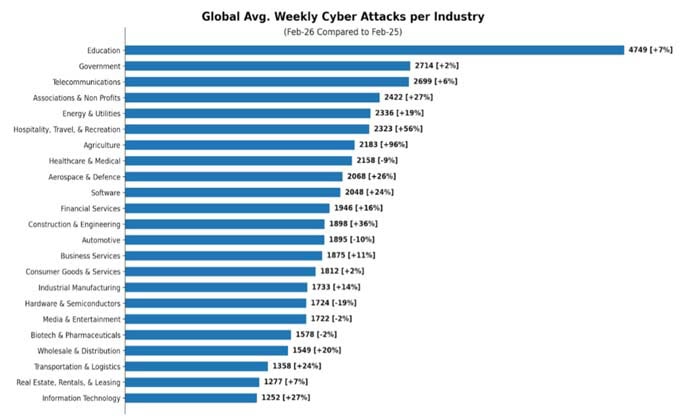
Education is the sector most affected by cyber attacks worldwide. (Graphic: Check Point)
In February, companies worldwide were exposed to an average of 2086 cyber attacks per week. These are the latest figures from Check Point Research, the security research division of Check Point Software Technologies. In Switzerland, the number of attacks fell by seven percent compared to the previous month to 1166 attacks. Nevertheless, this means that companies and security managers are still under pressure and the risk remains high.
«The analysis of the threat data for Switzerland shows that although there has been a recent decline in the number of monthly attacks, the total number of 1166 is not so low compared to Germany,» explains Marco Pierro, Country Manager Switzerland at Check Point Software. Germany recorded 1345 attacks, an increase of eleven percent. «The energy sector, retail and public administration were again at risk in this country. The increase in ransomware activities in the last month and the number of groups now active is striking.»
Different regional developments
With an average of 1764 attacks per organization, Europe recorded an increase of eleven percent, while North America grew by nine percent with 1456 attacks. Latin America leads the way with 3123 weekly access attempts and an increase of 20 percent compared to the previous year. The Asia-Pacific region recorded 3040 attacks (up three percent), while Africa was the only region to record a decrease of seven percent with 2993 attacks.
In Switzerland, the energy sector and utilities were the hardest hit in February, followed by retail and public authorities. Globally, the education sector remained the most frequently attacked industry with an average of 4749 cyber attacks per week - an increase of seven percent compared to the previous year. A large number of users, freely accessible network environments and limited security resources make educational institutions particularly attractive to attackers.
GenAI as a risk factor for data leaks
The use of generative artificial intelligence in companies remains a significant risk: every 31st GenAI request carries a high risk of disclosing sensitive data. 88% of organizations that regularly use GenAI tools are affected by this risk. A further 16 percent of requests contain potentially sensitive information. Organizations use an average of eleven different GenAI tools, indicating fragmented adoption. The average corporate user generated 62 GenAI requests per month.
Without centralized controls and uniform guidelines, companies are exposed to numerous risks: password leaks, disclosure of proprietary data, unintentional disclosure of internal documents and threats to the supply chain.
Ransomware remains a structural threat
In February 2026, 629 ransomware attacks were reported worldwide, a decrease of 32 percent compared to the previous year. However, this decrease is primarily due to an unusually large ransomware campaign carried out by the Clop group during the same period in 2025. Excluding this campaign, ransomware activity remains largely unchanged year-on-year.
North America suffered 57 percent of reported ransomware incidents, followed by Europe and Asia-Pacific with 17 percent each. The USA was the most affected country with 51 percent of all reported ransomware attacks, followed by Canada with six percent and the UK with 2.7 percent.
Qilin led the global ransomware activity and was responsible for 15 percent of the published attacks. Clop accounted for 13 percent, ending a month-long campaign that exploited zero-day vulnerabilities in Oracle E-Business Suite. The Gentlemen, responsible for 11% of the attacks, doubled the number of its victims compared to the previous month. Remarkably, 49 different ransomware groups publicly attacked organizations worldwide in February.
The insights come from Check Point's ThreatCloud AI platform, which analyzes millions of indicators of compromise every day. ThreatCloud is powered by over 50 AI-driven engines and fed with information from more than 150,000 networks and millions of endpoints. Further information can be found in the Check Point Research Blog.
New insurance for event organizers: Event accident
Europäische Reiseversicherung ERV is launching a new product for event organizers: Event Accident Insurance. The insurance protects event organizers against financial consequences in the event of an accident involving their event attendees. Especially at events with an international audience, there is an increased risk of insurance gaps for guests becoming expensive for the organizers. This is precisely where ERV's new event accident insurance comes in.
Editorial - March 10, 2026
A new event accident insurance protects organizers from financial consequences in the event of an accident at an event. (Image: Unsplash.com)
Events are always associated with risks, which is why the right insurance cover is essential for event organizers. The new ERV insurance covers organizers against the risk of a visitor being injured at the event and not being sufficiently insured to cover the accident costs. In such cases, ERV covers the difference between the covered costs and the actual amount due for healthcare costs. This insurance is essential, especially in times when international guests often attend events. This is because international guests in particular often harbor the risk of individual insurance gaps.
Organization of emergency aid
An accident at an event means not only financial burdens for organizers, but also high organizational costs. To relieve organizers in such situations, event accident insurance also includes the organization of emergency assistance. In the event of an emergency, ERV's emergency center coordinates emergency personnel who take care of the affected persons on site. This also includes support with possible psychological care after an accident.
ERV's new event accident insurance includes the following:
For events such as corporate events, sporting events, concerts, etc.
Co-insurance of volunteers and other groups of persons
Comprehensive protection for accident risks
Services incl. 24-hour emergency call center
Incl. psychological emergency assistance
Protection against potential reputational damage through support in crisis communication
Individual insurance for guests from abroad
ERV also offers guest insurance to ensure that international guests do not have any gaps in cover at events in Switzerland. This protects visitors from abroad against accident and medical expenses and is even a prerequisite for obtaining a visa for Switzerland and the Schengen states for people from certain countries. Guest insurance was revised at the beginning of the year. The new features include:
Abolition of the maximum age: The insurance is now available for all age groups.
Increase in the sums insured: Greater financial security for policyholders.
Extension of the area of cover: valid in all Schengen states.
Europe's largest scientific training center for Physical AI is being built in Munich
The largest research and training center for physical AI in Europe is being built at Munich Airport - and thus an enormous opportunity for the development of robotics as the next major pillar of the economy. The Technical University of Munich and the company Neura Robotics, which provides a large fleet of humanoid robots, are involved.
Editorial - March 10, 2026
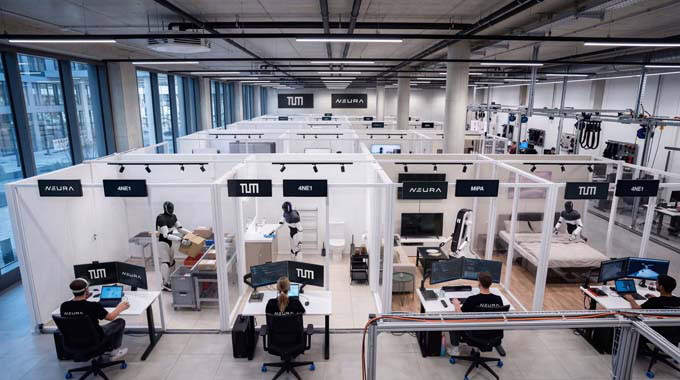
View of the emerging TUM RoboGym, a training center for Physical AI. (Image: Neura Robotics)
In collaboration with the Munich Institute of Robotics and Machine Intelligence (MIRMI) at the Technical University of Munich (TUM), the southern German company Neura Robotics is opening Europe's largest training center for physical AI: the TUM RoboGym (powered by NEURA). The partners are starting on 2,300 m² - with the aim of expanding the space in the near future. From mid-2026, a large fleet of humanoid robots will be training under real conditions at the TUM Convergence Center at Munich Airport - a milestone for the scaling of intelligent machines and Europe's technological sovereignty, according to the statement.
Commitment to European sovereignty
«European sovereignty is extremely important in times of geopolitical competition between East and West. With this research and training center, which is one of the largest in the world, we are creating a unique infrastructure in Europe for our researchers and students, where they can experience, develop and learn new approaches in robotics and AI and thus become a strong core of European experts when they enter the job market,» says Prof. Lorenzo Masia, Director of TUM RoboGym and TUM MIRMI Executive Director. Prof. Achim Lilienthal, Vice Director of MIRMI, underlines the importance of the collaboration: «The interaction of high-end robotics technology and top-class academic research in artificial intelligence will give a huge boost to development.»
For David Reger, CEO and founder of Neura Robotics, the key lies in the data: «The biggest challenge in the further development of intelligent robotics today is no longer the hardware, but access to high-quality, realistic training data. Together with TUM, we are building a RoboGym that will give all partners and developers access to real training environments via the Neuraverse so that cognitive robots can learn safely and scale skills faster. A strong signal for Germany and Europe as a center for physical AI.»
Major investment
The partners are jointly investing around 17 million euros in the project at the start, with Neura Robotics contributing the majority of the investment at around 11 million euros. Most of the data generated in RoboGym will flow into the Neuraverse - Neura's central, cross-hardware platform for training data. More sovereign data for the Neuraverse means more precise AI models and more powerful robots. In this way, Neura Robotics accelerates innovation, safety and responsible automation - and sets the global standard for physical AI.
The aim is to create the basis for an operating system for robots worldwide and thus sustainably strengthen Germany and Europe as a location for innovation in one of the most important fields of the future. In the future, RoboGym will also be open to industrial partners and start-ups. This will create new opportunities for research and business - and a springboard for the next generation of intelligent humanoid robots.
CPT 2026: Cyber security conference sets the tone for Europe's digital sovereignty
The Munich-based software company FTAPI hosted CPT 2026 at the Allianz Arena in Munich. Almost 500 top decision-makers, CISOs and managing directors discussed Europe's digital future. The focus was on NIS 2 regulations, BSI standards and the impact of AI agents on cyber defense.
Editorial - March 6, 2026
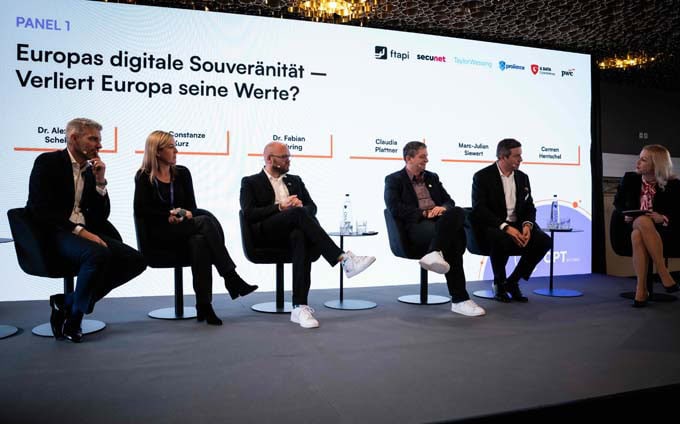
The first panel discussion at CPT 2026 on the topic «Is Europe digitally sovereign» (Image rights: FTAPI)
Digital sovereignty is not only being discussed in Switzerland, but also at European level. CPT 2026 (Connect. Protect. Transform.) came to a successful conclusion on March 6, 2026 under the leadership of Munich-based software company FTAPI. Almost 500 top decision-makers, CISOs and managing directors from various industries took advantage of the exclusive atmosphere at the Allianz Arena Munich to set the course for Europe's digital future. The conference impressively underlined the fact that cyber security has become vital for the survival of companies and governments alike.
CPT 2026 focused on the question of how Europe can preserve its digital sovereignty and democratic values in an increasingly interconnected world dominated by global tech giants. Against this backdrop, the specific topics of the two days were discussed: the implementation of the NIS-2 regulations, the further development of the BSI standards (C5:2025) and the impact of AI agents on cyber defense.
Wake-up call from the BSI President
Claudia Plattner, President of the German Federal Office for Information Security (BSI), provided an unembellished analysis of the current threat situation and called for users, manufacturers and the state to proactively assume responsibility in the digital space. (Image rights: FTAPI)
The conference kicked off with a keynote speech by Claudia Plattner, President of the German Federal Office for Information Security (BSI). Under the title «Wake-up call - are we still asleep or are we assessing the situation correctly?», she provided an unembellished analysis of the current threat situation and called for operators, manufacturers and the state to proactively assume responsibility in the digital space.
BSI President Claudia Plattner: «Germany and Europe are under constant pressure from cyber crime, cyber conflict and cyber dominance. Digitalization is the linchpin of a massively changing world with impacts and interactions on the rules of coexistence, politics, power and state interests. It is clear that the protection of our society depends on our digital capabilities - and on how well we can defend the digital space. The path to a digitally resilient and sovereign European Union leads through a European cyber union that will be technologically and thus economically successful because it uses its potential realistically and pragmatically in close cooperation between states, business, science and society.»
Discourse on values: Europe's digital identity
A central focus of the conference was on the social relevance of digitalization. In the panel «Europe's digital sovereignty - Is Europe losing its values?», the Bavarian State Minister for Digital Affairs, Dr. Fabian Mehring, together with Claudia Plattner and representatives from politics and civil society, discussed the political power to shape a networked world. The focus was on the question of how sovereignty and democratic values can be preserved in the face of global technological dependencies.
Digital Minister Dr. Fabian Mehring: «Cyber security is no longer a technical niche debate, but a strategic question of survival for the state, economy and society. Digital sovereignty must inevitably become an integral part of the DNA of modern states if we want to carry the achievements of Western liberal democracies - peace, freedom, prosperity and security - from the last century into the AI age. Above all, freedom of choice, understood as the ability to make a self-determined decision between efficient European solutions and strong international offerings, is crucial.»
Transformation as a human challenge
In the central keynote of the second day, neuroscientist Dr. Henning Beck analyzed the limits of artificial intelligence in comparison to human cognition. (Image rights: FTAPI)
Away from the regulatory debates, CPT 2026 focused on the human factor. In an intensive dialog, Dunja Hayali and Uli Hoeness met to talk about leadership, courage and dealing with radical change under the motto «Transformation is something you do yourself!». This exchange highlighted the social component of the conference: transformation can only succeed through a broad discourse across different industries and experiences.
In the central keynote of the second day, neuroscientist Dr. Henning Beck analyzed the limits of artificial intelligence in comparison to human cognition. Under the leitmotif «Brain vs. AI - Who has the upper hand?», Beck examined whether in future an AI with the will to power or a brain that does what it wants will retain the decision-making sovereignty. He clarified which thinking skills will become critical in an automated world and which developments are currently underestimated.
From neurobiology to quantum computing: a 360° view
Specific regulatory and technological issues were explored in depth in 15 in-depth masterclasses. Experts from leading institutions such as Fraunhofer IAO, Fraunhofer AISEC, the Technical University of Munich (TUM), the Cyberintelligence Institute and PwC imparted practical knowledge. The program covered the entire spectrum of the current security architecture: geopolitics and values dealt with Europe's digital sovereignty in the shadow of global rivalries. The question of man versus machine arose with regard to responsibility when AI agents make decisions faster than humans. Future technologies such as preparing for the post-quantum age and secure AI implementation were covered, as well as the practical implementation of NIS-2 and EU requirements by 2027.
FTAPI as a driving force
As host of CPT 2026, FTAPI is underlining its role as a driving force for innovation and networking in the industry. For the Munich-based software company, the focus is on combining technical excellence and social responsibility.
Ari Albertini, CEO of FTAPI, on the mission of the event: «Cyber security must not remain an isolated island of experts. We need the CPT as a meeting place where DAX board members, ministries and technological thought leaders can find a common language. The CPT is the operating system for a resilient Europe.»
Thomas Händl, Founder of CPT and VP Product Initiatives & Business Development at FTAPI, adds: «CPT 2026 has shown that we need to break down silos. When we bring IT decision-makers, CEOs and politicians to the table, we not only create security concepts, but also real visions for the future of a sovereign Europe. We don't just protect data, we protect our ability to act.»
Outlook: CPT 2027
Following the success of this year's event, FTAPI has already announced the date for next year's event. CPT 2027 will return to the Allianz Arena Munich from May 11 to 13, 2027 to continue the dialog on Europe's digital future.